

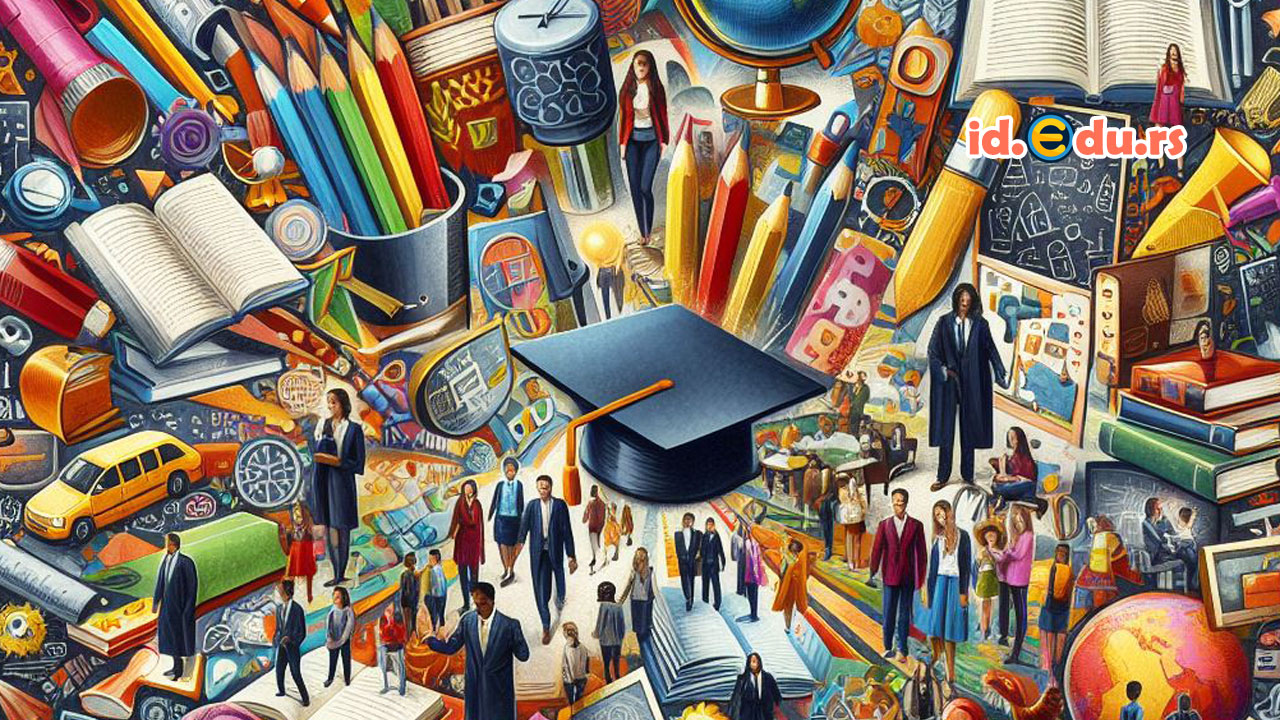
ID Education Resource – The school education system serves as the foundation for a nation’s progress. It’s the platform where young minds are nurtured, equipped with knowledge and skills, and prepared to become responsible citizens. But navigating this vast and sometimes complex system can be daunting for parents and students alike. This comprehensive guide delves into the intricacies of the school education system, exploring its structure, purpose, and the ever-evolving landscape it occupies in today’s world.
Deconstructing the Educational Journey: Stages and Structures
Early Childhood Education (ECE): The groundwork for lifelong learning is often laid in the vibrant world of Early Childhood Education (ECE). This stage, encompassing pre-school and kindergarten programs, focuses on holistic development – nurturing cognitive, social, emotional, and physical skills. Through play-based learning, exploration, and interaction, children develop foundational literacy and numeracy skills, build social connections, and foster a love for learning.
Primary Education: Primary education, typically spanning grades 1 to 5 or 6, marks the beginning of formal schooling. The curriculum emphasizes core subjects like language arts, mathematics, science, and social studies, providing a strong academic foundation. This stage also introduces students to diverse subjects like art, music, and physical education, fostering well-rounded development.
Secondary Education: As students step into secondary education (middle school, junior high, or high school), the academic focus intensifies. The curriculum delves deeper into core subjects, often introducing specialized electives that cater to individual interests and talents. This stage plays a crucial role in shaping students’ academic trajectories, preparing them for higher education or the workforce.
Higher Education: Higher education, encompassing universities, colleges, and vocational schools, equips students with specialized knowledge and skills needed to pursue professional careers. This stage offers a multitude of academic programs, allowing students to tailor their education to their chosen field.
Special Education: The school system also caters to the unique needs of students with learning disabilities or special needs. Special education programs provide individualized instruction, support services, and specialized learning environments to ensure all students have an equal opportunity to succeed.
Read More:
- School Education Department West Bengal: Shaping Young Minds in the Land of Rabindranath Tagore
- Top 10 Schools in Glasgow, UK: Unlocking Your Child’s Potential
- Top 10 Schools in Leeds, UK: Unveiling the Educational Landscape
- Learning vs. Education: Demystifying the Paths to Knowledge
- Birmingham’s Top 10 Schools: A Guide for Discerning Parents
The Evolving Landscape: Embracing Change in Education
The school education system is not static. It constantly adapts to the ever-changing needs of society and the demands of the 21st-century workforce. Here are some key trends shaping the educational landscape:
- Technology Integration: Technology is no longer an optional add-on in education; it’s an integral part of the learning process. Interactive whiteboards, tablets, and online learning platforms are transforming classrooms, promoting collaboration, and fostering personalized learning experiences.
- Focus on 21st-Century Skills: The emphasis is shifting from rote memorization to developing critical thinking, problem-solving, collaboration, and communication skills – essential for success in today’s dynamic world.
- Personalized Learning: One-size-fits-all education is evolving into personalized learning approaches. Educators are tailoring instruction to individual student needs and learning styles, maximizing their potential.
- Global Citizenship: Schools are increasingly fostering a global perspective, encouraging cultural understanding and preparing students to thrive in an interconnected world.
The Purpose of Education: Beyond Textbooks and Tests
While academic achievement is crucial, education serves a much broader purpose. It instills critical thinking, problem-solving skills, and the ability to learn independently. Schools nurture creativity, collaboration, and communication skills, preparing students to be well-rounded individuals. Education fosters a sense of social responsibility, equipping future generations to become active and engaged citizens contributing positively to their communities.
Beyond the Classroom Walls: Parental Involvement and Community Collaboration
A child’s education is not solely confined to the classroom walls. Parental involvement plays a vital role in a student’s success. Strong communication between parents and teachers fosters a supportive learning environment. Similarly, collaboration between schools, families, and community organizations enriches the educational experience by providing access to resources, mentorship opportunities, and real-world learning experiences.
The Road Ahead: Shaping a Future-Proof Education System
The school education system is a dynamic and ever-evolving entity. As we move forward, the focus should be on creating a future-proof education system that equips students with the skills and knowledge necessary to thrive in an increasingly complex and interconnected world. By embracing innovative teaching methods, fostering a culture of continuous learning, and promoting collaboration between educators, parents, and communities, we can create a system that empowers young minds to become responsible citizens, lifelong learners, and the architects of a brighter future.
Challenges and Opportunities: Paving the Way for a Future-Proof Education System
While the vision of a future-proof education system is clear, the road ahead isn’t without its challenges. Here are some key obstacles we need to navigate:
- Digital Divide: Unequal access to technology and the internet can exacerbate educational inequalities. Bridging the digital divide requires investment in infrastructure, affordability programs, and digital literacy training for both educators and students.
- Teacher Training and Support: Educators play a pivotal role in shaping the future. Equipping them with the skills and resources needed to effectively navigate a technology-driven, personalized learning environment is crucial. Ongoing professional development opportunities and support structures are essential for educators to thrive in the evolving education landscape.
- Assessment and Evaluation: Moving beyond standardized testing towards a more holistic approach to assessment is necessary. This can involve evaluating critical thinking, collaboration skills, and a student’s ability to apply knowledge in real-world scenarios.
- Funding and Resource Allocation: Ensuring equitable access to quality education requires adequate funding. Resource allocation strategies should prioritize underserved communities and bridge the gap between under-resourced and well-equipped schools.
However, amidst these challenges, lie tremendous opportunities:
- Personalized Learning Revolution: Technology opens doors to personalized learning experiences. Adaptive learning platforms, virtual reality simulations, and data-driven insights can tailor education to individual student needs and learning styles, maximizing their potential.
- Global Collaboration: The interconnectedness of our world presents exciting possibilities for collaboration. Virtual exchange programs, online learning platforms, and educational partnerships can foster cultural understanding and equip students with a global perspective.
- Empowering Educators: Technology can empower educators, freeing them from mundane tasks and allowing them to focus on facilitating meaningful learning experiences. Artificial intelligence-powered tools can handle administrative tasks, personalize learning plans, and provide educators with data to track student progress.
- Community Engagement: Schools can become hubs for community engagement. Partnerships with local businesses, cultural institutions, and mentorship programs can provide students with real-world learning experiences and expose them to diverse career paths.
Conclusion: Shaping the Architects of Tomorrow
The future belongs to those who are equipped with the knowledge, skills, and adaptability to thrive in a constantly evolving world. The school education system serves as the cornerstone, shaping the architects of tomorrow. By embracing innovative approaches, fostering a culture of continuous learning, and addressing the challenges of today, we can create a future-proof education system that empowers young minds to become responsible global citizens, lifelong learners, and the driving force behind a brighter future.
This journey requires a collaborative effort from educators, parents, policymakers, and the community at large. By working together, we can ensure that every child has access to a quality education that prepares them not only for standardized tests but for the complexities and opportunities of the 21st century.


