

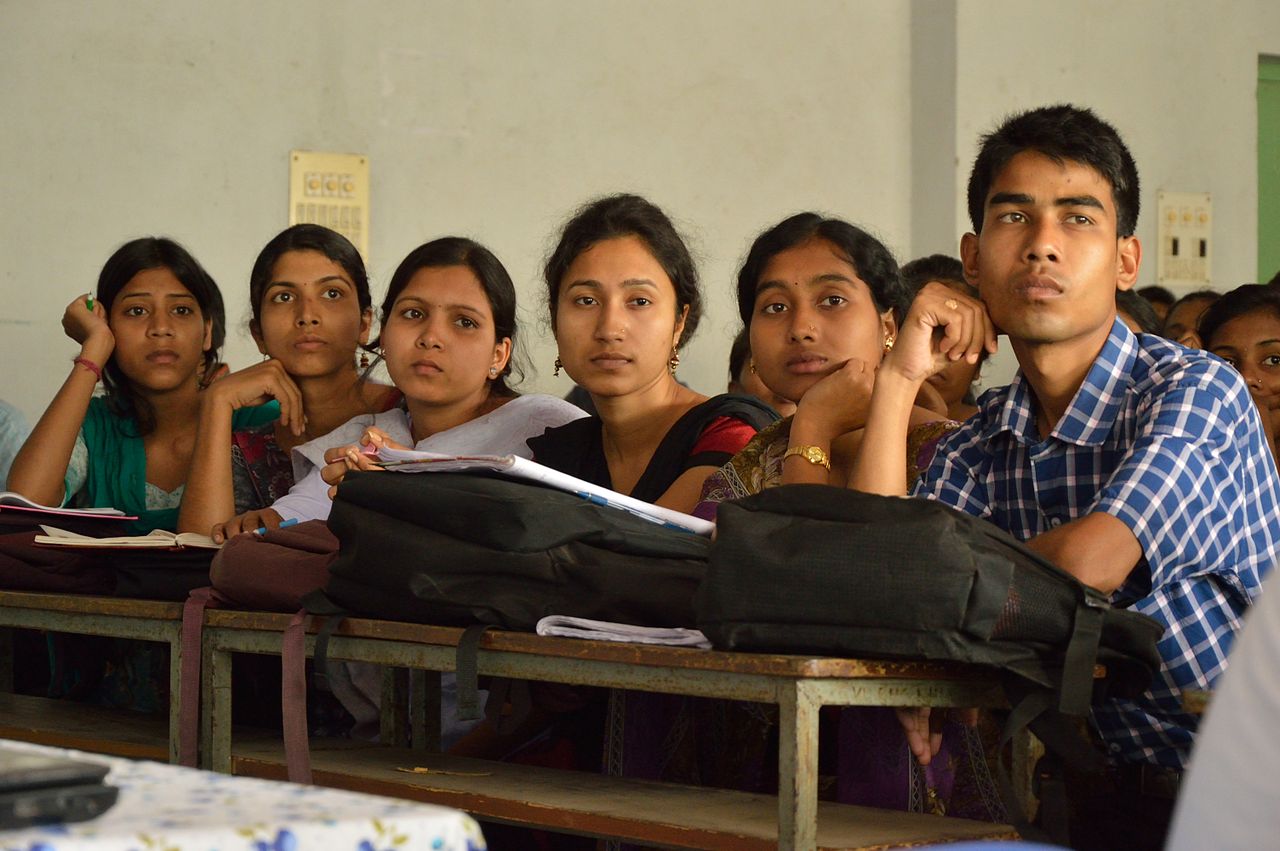
ID Education Resource – West Bengal, a state steeped in rich history and cultural heritage, places immense importance on education. The School Education Department, helmed by the Government of West Bengal, plays a pivotal role in ensuring quality education for millions of students across the state. From quaint villages nestled amidst emerald paddy fields to bustling urban centers, the department strives to create a level playing field for educational opportunities.
This comprehensive guide delves into the intricacies of the West Bengal School Education Department, exploring its mission, vision, key functionaries, and impactful initiatives.
Vision and Mission: Charting the Course for Educational Excellence
The West Bengal School Education Department is driven by a clear vision: to “enhance Access, Equity, and Quality” in education across the state. This translates into a mission to:
- Universalize access to primary and secondary education, ensuring no child is left behind.
- Promote equity in educational opportunities, dismantling socioeconomic barriers that hinder learning.
- Elevate the quality of education by fostering a conducive learning environment, implementing innovative teaching methodologies, and nurturing well-rounded individuals.
These core principles guide the department’s numerous endeavors, shaping the educational landscape of West Bengal.
Read More:
- Top 10 Schools in Glasgow, UK: Unlocking Your Child’s Potential
- Top 10 Schools in Leeds, UK: Unveiling the Educational Landscape
- Learning vs. Education: Demystifying the Paths to Knowledge
- Birmingham’s Top 10 Schools: A Guide for Discerning Parents
- Unveiling Westminster’s Educational Gems: Top 10 Schools for 2025
Key Functionaries: The Pillars of School Education
The department functions like a well-oiled machine, with various entities working in tandem to achieve its objectives. Let’s meet the key functionaries who play a critical role in West Bengal’s school education system:
- West Bengal Board of Secondary Education (WBBSE): Responsible for conducting the Madhyamik Pariksha (Secondary Examination) for Class 10 students.
- West Bengal Council of Higher Secondary Education (WBCHSE): Oversees the Higher Secondary Examination (Uchcha Madhyamik) for Class 12 students.
- West Bengal Board of Primary Education (WBBPE): Focuses on the development and management of primary education in the state.
- West Bengal Central School Service Commission (WBCSSC): Handles the recruitment of teachers and education staff for government schools.
- Paschim Banga Samagra Shiksha Mission (PBSSM): The state mission for the implementation of the centrally sponsored Sarva Shiksha Abhiyan (SSA) program, which aims to achieve universal elementary education.
- West Bengal Council of Rabindra Open Schooling (WBCROS): Offers open schooling opportunities for students who cannot attend regular schools.
- State Council of Educational Research & Training (SCERT), West Bengal: Conducts research in the field of education, develops curriculum materials, and provides training to teachers.
These entities, along with others within the department, work collaboratively to ensure the smooth functioning of the school education system in West Bengal.
Landmark Initiatives: Transforming Education for a Brighter Future
The West Bengal School Education Department has spearheaded several noteworthy initiatives that are transforming the educational landscape of the state. Here are some key highlights:
- Kanyashree Scheme: This revolutionary scheme empowers girls by providing financial assistance to those pursuing education after Class 8. It has significantly improved girls’ enrollment rates and retention in secondary education.
- Sabuj Sathi (Green Partner): This eco-friendly initiative encourages students to plant trees and promote environmental awareness within schools.
- Mission Nurturing Talent (MNT): This program identifies and nurtures talented students from underprivileged backgrounds, providing them with scholarships and academic support.
- Sukanya Sree Scheme: This financial assistance program supports the education of girl students from economically disadvantaged families.
- Implementation of Free and Compulsory Education Act (RTE Act): The department actively works towards ensuring the right to education for children aged 6 to 14 years, as mandated by the RTE Act.
These initiatives, along with continuous curriculum development and teacher training programs, demonstrate the department’s commitment to providing holistic and empowering education to all students in West Bengal.
Challenges and the Road Ahead
While the West Bengal School Education Department has made significant strides, challenges remain. Issues like teacher vacancies, infrastructure limitations in remote areas, and ensuring quality education across diverse socioeconomic backgrounds require ongoing attention.
The department is actively working to address these challenges by:
- Recruiting more teachers: Initiatives are underway to fill vacant teacher positions and improve the student-teacher ratio.
- Developing smart classrooms: Technology integration is being promoted to create interactive learning environments.
- Promoting public-private partnerships: Collaborations with private entities are being explored to enhance infrastructure and resources in underprivileged areas.
- Fostering community engagement: The department is encouraging active participation from parents, communities, and civil society organizations to foster a collaborative educational ecosystem.
Here’s a deeper look at some of the key challenges the department faces and the potential solutions being explored:
Teacher Vacancies and Quality
A shortage of qualified teachers, particularly in rural regions, remains a persistent concern. This can lead to overburdened instructors and potentially hinder the quality of education students receive. The department is actively recruiting new teachers and implementing capacity-building programs to enhance existing faculty skills. Additionally, initiatives like utilizing technology for online training and mentorship can bridge geographical gaps and ensure all educators have access to continuous professional development.
Infrastructure Limitations in Remote Areas
Schools in remote villages often lack adequate infrastructure, including proper buildings, labs, libraries, and sanitation facilities. This creates an unequal learning environment compared to urban schools. The department is working on infrastructure development projects, prioritizing areas with the most urgent needs. Additionally, exploring alternative solutions like pre-fabricated classrooms and mobile learning labs can help address these disparities.
Socioeconomic Disparities
Students from disadvantaged backgrounds face unique challenges, such as limited access to learning materials, lack of parental support for studies, and potential pressure to contribute to household income. The department’s initiatives like the Kanyashree Scheme and Mission Nurturing Talent aim to address these issues by providing financial support and recognizing talented students. Additionally, fostering community involvement and creating targeted interventions can help bridge the socioeconomic gap and ensure inclusive education for all.
Bridging the Digital Divide
The increasing importance of technology in education highlights the need for equitable access to digital resources. The department can implement initiatives like providing subsidized tablets or laptops to students, establishing computer labs in schools, and offering internet connectivity solutions in rural areas. This ensures students across the state can benefit from online learning platforms, educational apps, and other digital tools.
The Road Ahead: Embracing Innovation and Collaboration
The West Bengal School Education Department is well on its way to achieving its vision of a robust and equitable education system. By fostering innovation in teaching methodologies, embracing technology, and forging strong partnerships with stakeholders, the department can empower educators, inspire students, and equip them with the skills and knowledge to navigate the dynamic world we live in.
The focus should also be on continuously monitoring and evaluating existing programs. This data-driven approach allows for identifying areas for improvement and adapting strategies to address emerging challenges.
The road ahead for West Bengal’s school education system is paved with both challenges and opportunities. By adopting a holistic approach that prioritizes quality education for all, the department can ensure that every child in the state has the opportunity to learn, grow, and thrive.
The Road Ahead: Beyond the Obvious
While innovation in teaching methods and technology integration are crucial for progress, the West Bengal School Education Department can explore some additional avenues to further elevate the educational experience for students:
Cultivating 21st Century Skills
The education system needs to equip students with the skills necessary to succeed in the 21st-century job market. This includes fostering critical thinking, problem-solving, creativity, collaboration, communication, and digital literacy. The department can introduce project-based learning, encourage student participation in debates and group activities, and integrate coding or digital design elements into the curriculum.
Nurturing Holistic Development
Education is not just about acquiring knowledge from textbooks. The department can promote a holistic approach that fosters physical, emotional, and social well-being alongside academic learning. This could involve incorporating activities like yoga, meditation, or mindfulness exercises into the school day, encouraging participation in sports and physical education, and providing access to counselors or social workers for students in need.
Engaging Parents and Communities
A strong partnership between schools, parents, and the community is essential for a child’s holistic development. The department can organize workshops for parents on effective learning strategies, hold community events that celebrate cultural heritage and local talents, and encourage school volunteer programs. This creates a collaborative ecosystem where everyone contributes to the students’ educational journey.
Promoting Language Learning
Equipping students with multilingual skills can open doors to global opportunities. The department can explore offering additional language courses beyond English, such as Hindi, Bengali sign language, or even foreign languages like French or Spanish. This not only enhances communication skills but also fosters intercultural understanding.
Fostering Environmental Awareness
As climate change becomes a pressing concern, it’s vital to educate future generations about environmental stewardship. The department can integrate environmental education into the curriculum, encourage schools to adopt sustainable practices like rainwater harvesting or waste management, and organize environmental awareness campaigns.
By venturing beyond the traditional approaches and embracing these progressive ideas, the West Bengal School Education Department can create a truly enriching and empowering learning environment for all students. This, in turn, will empower the next generation to become responsible citizens, lifelong learners, and active contributors to a brighter future for West Bengal and beyond.


