

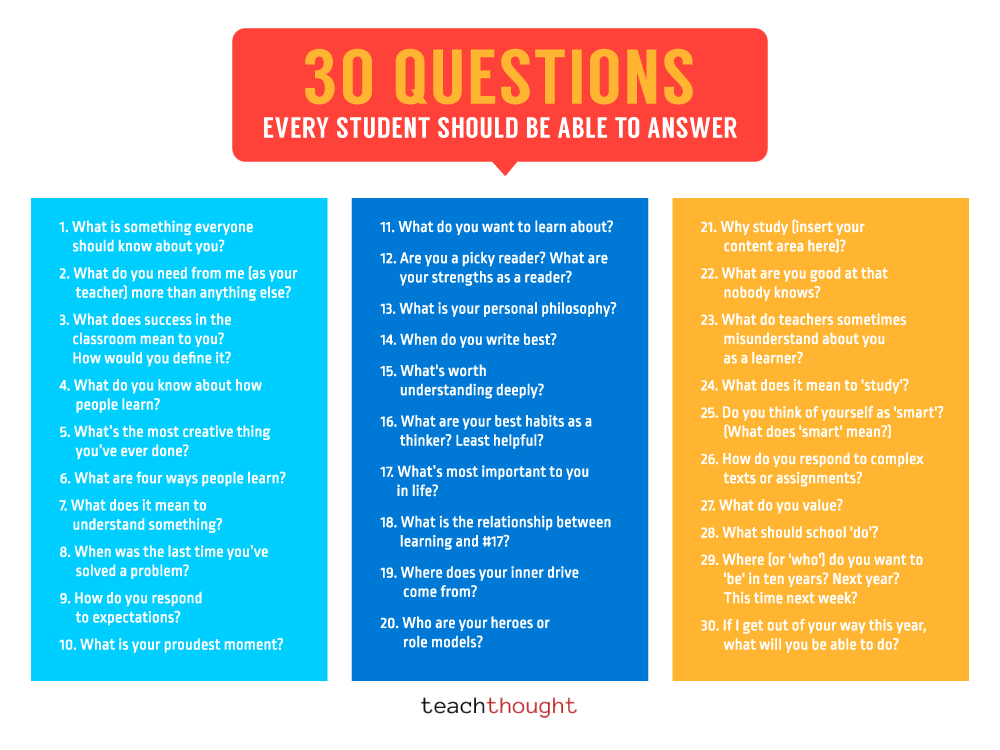
School and College Education: Answers to the Most Frequently Asked Questions
Introduction
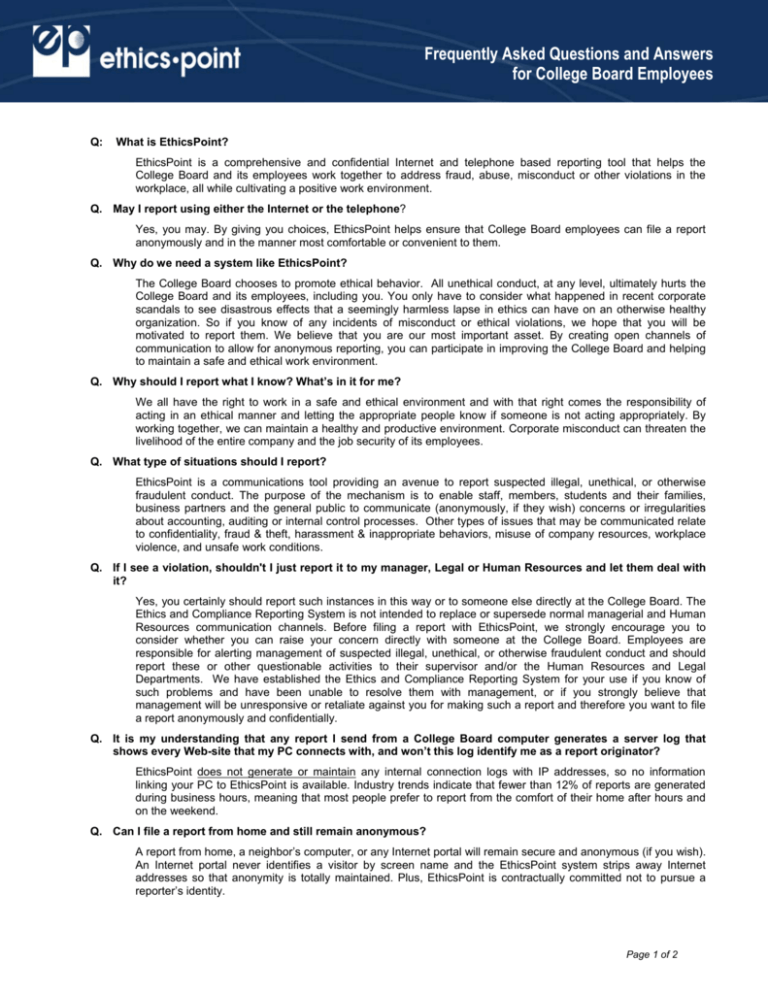
Navigating the world of education can be a daunting task, especially for students and families embarking on the journey of school and college. To provide clarity and guidance, we delve into the most frequently asked questions, unraveling the complexities and empowering you with essential knowledge.
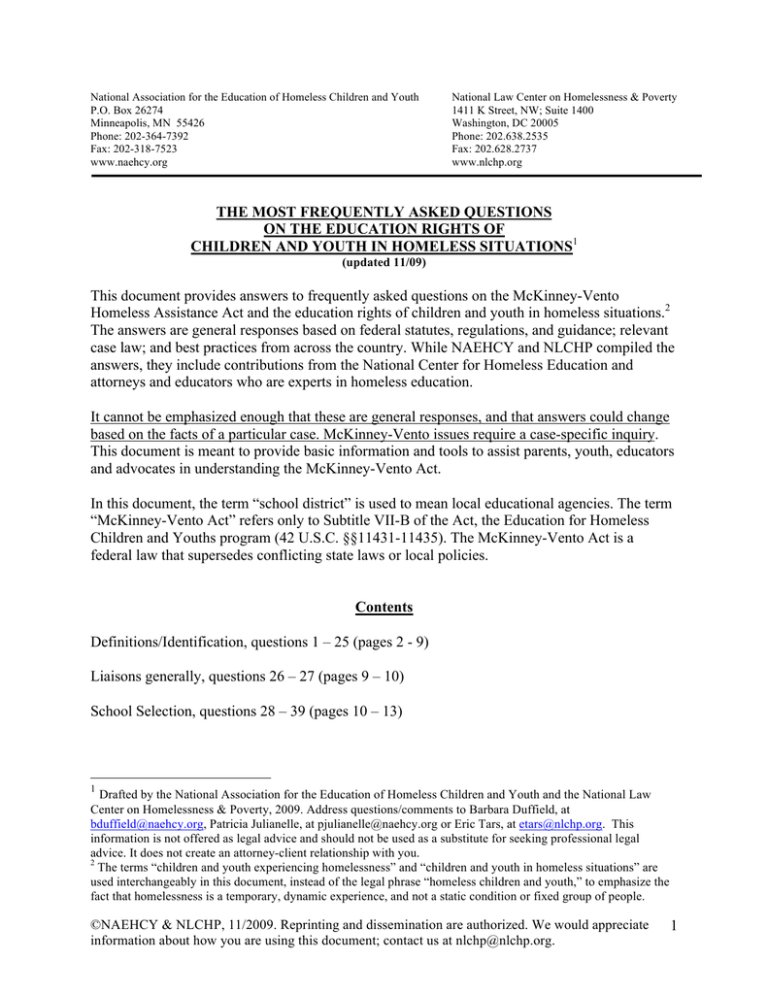
1. What is the Significance of School Education?
School education forms the foundation for a child’s intellectual, social, and emotional development. It imparts fundamental knowledge and skills in various subjects, fostering critical thinking, problem-solving abilities, and effective communication. It also cultivates social skills, teaches responsibility, and promotes teamwork and collaboration.
2. How to Choose the Right School?
Selecting the appropriate school depends on several factors, including the child’s individual needs, learning style, and family’s values and priorities. Consider the school’s academic reputation, extracurricular activities, faculty experience, and overall environment. It’s crucial to visit prospective schools, connect with administrators and teachers, and engage with current students to gain a comprehensive understanding.
3. Is Higher Education Essential?
While higher education is not necessary for all career paths, it provides significant advantages in today’s competitive job market. Colleges and universities equip students with specialized skills, knowledge, and credentials that enhance their earning potential and open doors to more career opportunities. It also fosters critical analysis, research skills, and lifelong learning habits.
4. How to Apply for College?
College applications typically involve submitting transcripts, standardized test scores, personal statements, letters of recommendation, and sometimes an essay or portfolio. Research colleges thoroughly, determine deadlines, and tailor your application to each institution. Seek guidance from counselors, teachers, or college admissions advisors to optimize your chances of success.
5. What is the Role of Extracurricular Activities?
Extracurricular activities are a valuable component of a well-rounded education. They offer opportunities for personal growth, skill development, leadership experience, and social connections. Whether it’s sports, music, art, or service projects, extracurriculars enhance creativity, perseverance, and teamwork.
6. How to Finance College Education?
College education can be expensive, but there are numerous financial aid options available. Explore scholarships, grants, loans, and work-study programs. Submit the Free Application for Federal Student Aid (FAFSA) to determine your eligibility for federal and state financial aid. Research college websites and contact financial aid offices for additional information.
7. What is the Difference Between College and University?
Although often used interchangeably, colleges and universities differ in terms of size, focus, and academic programs. Colleges tend to be smaller, offer undergraduate degrees, and emphasize liberal arts education. Universities are larger, provide a wider range of academic programs, and offer both undergraduate and graduate degrees, including research opportunities.
8. How to Choose a College Major?
Selecting a college major is a crucial decision that requires introspection and research. Consider your interests, strengths, career aspirations, and market demand. Consult with academic advisors, explore different fields through coursework and internships, and attend career fairs to gain insights and make an informed choice.
9. What is the Importance of College Accreditation?
College accreditation is vital as it ensures that the institution meets certain educational standards. Accreditation assures employers, graduate schools, and transfer institutions that your degree is recognized and respected. It also allows students to qualify for federal financial aid and scholarships.
10. What are the Alternatives to Traditional College?
Not everyone opts for a traditional college experience. Alternative pathways to higher education include community colleges, trade schools, vocational programs, and online learning. These options offer flexible scheduling, lower costs, and specialized training for specific career fields.
11. How to Prepare for College?
Preparing for college involves academic, social, and emotional readiness. Maintain a strong academic record in high school, develop effective study habits, and engage in extracurricular activities that showcase your talents and interests. Attend college fairs, connect with admissions representatives, and take standardized tests as needed to improve your chances of success.
12. What Happens After College?
Upon graduating from college, you enter a new phase of your life. Some pursue further education, while others transition directly into the workforce. Utilize the college’s career services to explore job opportunities, prepare for interviews, and network with potential employers. Stay informed about industry trends and continue to learn throughout your career.
13. Is Graduate School Right for Me?
Graduate school is not for everyone. Consider your career goals, financial situation, and personal aspirations. Research different programs, talk to professionals in your field, and determine if advanced education aligns with your long-term objectives.
14. How to Apply for Graduate School?
Graduate school applications typically involve submitting transcripts, standardized test scores, personal statements, letters of recommendation, and research proposals or writing samples. Research programs thoroughly, determine deadlines, and tailor your application to align with the specific requirements of each institution.
15. What is the Future of Education?
The future of education holds exciting possibilities. Technology will continue to transform the learning landscape, with online learning, virtual reality, and artificial intelligence playing increasingly significant roles. Educational institutions will adopt innovative teaching methods and adapt to the evolving needs of students and the workforce. Lifelong learning will become more prevalent, and the boundaries between formal education and on-the-job training will blur.
Conclusion
The world of education presents endless opportunities and choices. By navigating the intricacies of school and college with informed decisions, you can reap the benefits of a transformative educational journey that empowers you to achieve your personal and professional goals. Remember, education is an ongoing process, and the knowledge and skills you acquire along the way will shape your future success.

