


How To Improve Study Habits: Mastering the Art of Learning
Let’s face it, we all have those days where the sheer thought of opening a textbook sends shivers down our spines. The pressure of exams, deadlines, and the ever-growing to-do list can be overwhelming. But fret not, my fellow learners! This isn’t a call to arms to endure another round of mindless cramming. Instead, we’re going to embark on a journey to improve study habits and unlock the true potential of your brain.
Embrace the Power of Organization

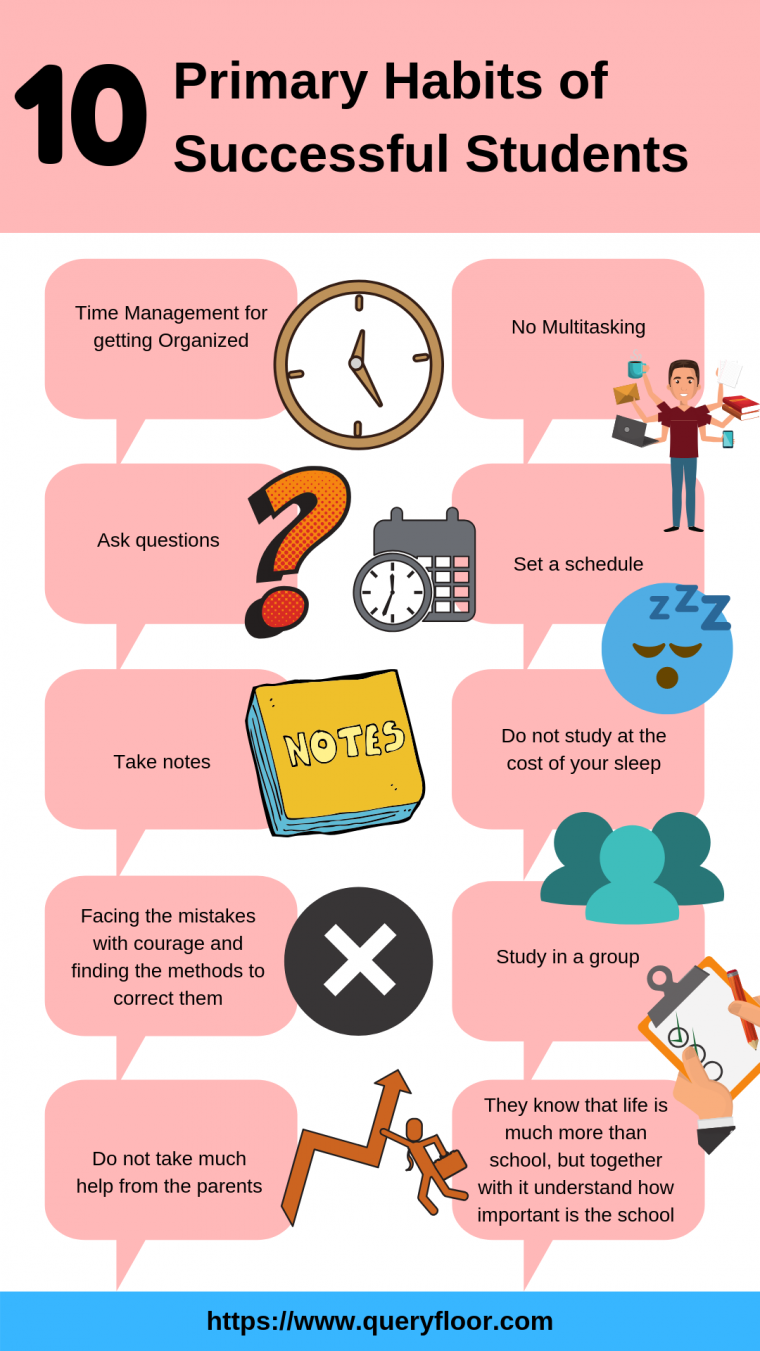
Picture this: You’re sitting at your desk, surrounded by a mountain of papers, half-eaten snacks, and a general sense of chaos. Does that sound familiar? Don’t worry, we’ve all been there. The key to effective study habits is organization. This isn’t about being a neat freak; it’s about creating a study space that supports your focus.
-
The Sacred Space: Designate a specific area in your home or workspace where you’ll exclusively study. Think of it as your personal sanctuary. Free it from distractions like TV, social media, or the ever-present temptation of your phone.
-
The Art of To-Do Lists: Harness the power of Google Calendar or a trusty old-fashioned planner to manage your time effectively. Break down large tasks into smaller, manageable chunks, and schedule dedicated time slots for each subject.
-
The Digital Fortress: Technology can be your study buddy! Tools like Evernote, Notion, or even good old Google Docs can help you organize notes, research, and assignments. Embrace the digital world, but use it wisely.
Embrace Active Learning
Passive learning is like watching a movie – you’re absorbing information, but it might not stick in your memory. Active learning is where the magic happens. It’s like being part of the movie, actively engaging with the story.
-
The Power of Notes: Don’t just copy everything word for word! Engage with the material. Summarize key points in your own words, ask yourself questions, and connect concepts.
-
The Magic of Repetition: Spaced repetition is your best friend. Instead of cramming everything at once, revisit the material at increasing intervals. Anki and Quizlet are excellent tools for this technique.
-
Engage with the Material: Turn your learning into an interactive experience! Khan Academy, Coursera, and edX offer a wealth of online courses and resources. Join study groups, participate in discussions, and teach others what you’ve learned.
Understanding Your Learning Style
Just as every student is unique, each of us has a preferred way of learning. Understanding your learning style can make all the difference in your study approach.
-
The Visual Learner: If you learn best by seeing things, use mind maps, diagrams, and colorful flashcards. Visual aids can make complex concepts more digestible.
-
The Auditory Learner: If you learn best by hearing things, try audio recordings of lectures, podcasts, or audiobooks. Don’t be afraid to read aloud to yourself.
-
The Kinesthetic Learner: If you learn best by doing things, try hands-on activities, role-playing, or building models. Movement and physical activity can help solidify knowledge.
-
The Read/Write Learner: If you prefer reading and writing, take detailed notes, summarize key points, and write practice essays or reports.
Embrace the Importance of Breaks
We all need time to recharge. Think of breaks as mental fuel for your learning journey.
-
The Power of Short Breaks: Take short breaks every 45-60 minutes. Get up and move around, stretch, or simply close your eyes and take a few deep breaths.
-
The Art of Mindfulness: Short bursts of meditation can help calm your mind and improve focus. There are plenty of guided meditations available online, or you can simply sit quietly and observe your breath.
-
The Importance of Sleep: Don’t underestimate the power of sleep! It’s during sleep that our brains consolidate memories and process information. Aim for 7-8 hours of quality sleep each night.
The Importance of Self-Care
Remember, your mental and physical well-being is crucial for effective studying.
-
Nutrition and Hydration: Fuel your body with healthy foods and drink plenty of water. Avoid sugary drinks and processed snacks.
-
Exercise: Regular physical activity can improve your mood, boost energy levels, and enhance your cognitive function.
-
Social Connection: Don’t forget to connect with friends and family. Social interaction can reduce stress and improve your overall well-being.
Mastering the Art of Effective Note-Taking
Effective note-taking is a crucial skill that can transform your study habits.
-
The Cornell Method: This popular technique divides your note page into three sections: notes, cues, and summary. It’s excellent for reviewing and summarizing information.
-
The Outline Method: This method involves creating an outline of the main points and subtopics. It’s great for organizing complex information and identifying key ideas.
-
The Mind Map Method: This visual approach uses branches and connections to represent relationships between ideas. It’s helpful for understanding the big picture and brainstorming new ideas.
-
The Bullet Journal Method: This highly customizable method allows you to track your tasks, goals, and progress. It’s a versatile tool for organization and self-reflection.
Harnessing the Power of Technology
In today’s digital world, technology can be a powerful ally in your pursuit of knowledge.
-
Online Learning Platforms: Coursera, edX, Udemy, Khan Academy, and Skillshare offer a vast array of online courses and resources for almost any subject imaginable.
-
Educational Apps: Anki, Quizlet, Duolingo, Memrise, and Grammarly can help you learn languages, practice vocabulary, and improve your writing skills.
-
Productivity Tools: Google Calendar, Evernote, Notion, Todoist, and Trello can help you manage your time, organize tasks, and stay on track.
-
Research Databases: JSTOR, PubMed, and Google Scholar provide access to academic journals, research articles, and scholarly resources.
Overcoming Procrastination
Procrastination is the ultimate study habit saboteur. But don’t despair! There are ways to tame this beast.
-
Identify Your Triggers: What are the things that typically lead you to procrastinate? Is it a lack of motivation, fear of failure, or simply the allure of distractions? Once you know your triggers, you can start to address them.
-
Break Down Tasks: Large tasks can feel overwhelming. Break them down into smaller, more manageable steps. Tackling one small step at a time can make the whole process feel less daunting.
-
Set Realistic Goals: Don’t set yourself up for failure by setting unrealistic goals. Start with small, achievable goals and gradually increase the difficulty as you gain confidence.
-
Reward Yourself: Celebrate your accomplishments! Reward yourself for completing tasks or achieving milestones. This can help you stay motivated and maintain momentum.
Cultivating a Growth Mindset
The way you approach learning has a significant impact on your success.
-
Embrace Challenges: View challenges as opportunities for growth. Don’t let setbacks discourage you.
-
Learn from Mistakes: Mistakes are inevitable. Instead of getting discouraged, see them as opportunities to learn and improve.
-
Believe in Yourself: Believe in your ability to learn and grow. Have confidence in your potential.
Final Thoughts
Improving your study habits is a continuous journey. It’s about finding what works best for you and constantly adapting your approach. Don’t be afraid to experiment, try new things, and seek out resources that can help you along the way. Remember, the most important thing is to stay committed to your learning journey. And who knows? You might just discover hidden talents and passions you never knew you had!
Conclusion: Unlocking Your Learning Potential
Improving your study habits isn’t about becoming a robot of productivity. It’s about unlocking your full learning potential. It’s about finding joy in the process of acquiring knowledge, embracing challenges, and celebrating your achievements. So go out there, conquer your procrastination, embrace active learning, and unleash your inner scholar!


