

How To Deal With Weak Students: A Teacher’s Guide to Turning Struggles into Triumphs
Let’s face it, teaching isn’t always a walk in the park. There are days when you feel like you’re battling windmills, especially when you’re dealing with those students who seem perpetually lost in the classroom. You know the ones—the glazed-over eyes, the “I have no clue what’s going on” look, the sighs that could rival a hurricane. It can be frustrating, even disheartening. But guess what? You’re not alone. Every teacher, at some point, has grappled with this challenge.
This isn’t about giving up. This is about channeling your inner superhero and finding ways to turn those “weak” students into superstars. It’s about recognizing that every student has potential, and it’s our job as educators to help them unlock it. Think of it as a puzzle—you’ve got to find the right pieces and put them together to reveal the masterpiece within.

This article is your guide to navigating the world of “weak” students. We’ll delve into the reasons behind their struggles, explore effective strategies to help them succeed, and celebrate the moments of triumph that inevitably arise. Buckle up, because we’re about to embark on a journey that will challenge your thinking and ignite your passion for teaching.
Understanding the “Weak” Student
It’s important to first address the elephant in the room: the term “weak” is a bit of a misnomer. It’s a label that can be harmful, creating a self-fulfilling prophecy where students internalize this label and believe they are incapable. Instead of focusing on labels, let’s shift our perspective and recognize that every student is unique, with their own strengths, weaknesses, and learning styles. What seems like “weakness” may simply be a difference in how they learn, process information, or express themselves.
So, what are the common reasons behind students’ struggles?
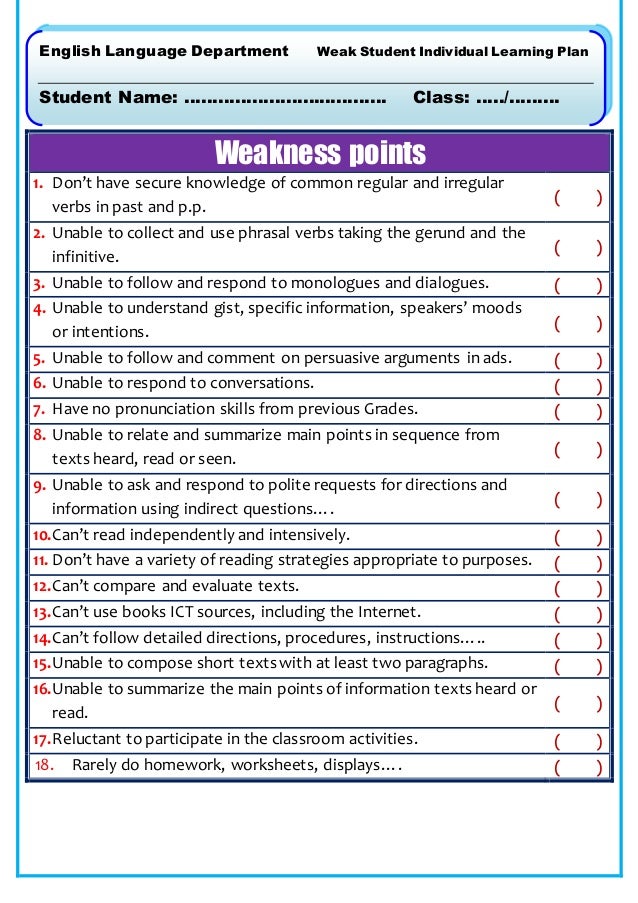
- Learning Differences: Students might have undiagnosed learning disabilities like dyslexia, dyscalculia, or ADHD, which can make it difficult for them to learn in traditional settings.
- Lack of Support: Some students come from challenging home environments, lack access to resources, or may be dealing with personal issues that impact their learning.
- Lack of Motivation: Boredom, lack of interest in the subject matter, or a negative view of learning can all contribute to a lack of effort.
- Learning Styles Mismatch: Traditional teaching methods may not cater to all learning styles. Some students thrive with visual aids, while others need hands-on activities.
It’s crucial to understand that “weak” students are not a monolithic group. Each student’s story is unique, and their challenges may vary significantly. By recognizing these individual nuances, we can tailor our approach and find the right key to unlocking their potential.
Creating a Supportive and Inclusive Classroom
Imagine a classroom where every student feels valued and empowered. A space where learning is a shared journey, where differences are celebrated, and where struggles are seen as opportunities for growth. This is the foundation of an inclusive classroom, a space that caters to diverse learning needs and creates a sense of belonging for every student.
Here are some strategies for building a supportive and inclusive classroom:
- Get to Know Your Students: Take the time to understand their strengths, weaknesses, and interests. Create a welcoming and comfortable environment where they feel safe to ask questions and share their thoughts.
- Differentiated Instruction: Offer a range of learning activities to cater to diverse learning styles. Think visual learners, auditory learners, kinesthetic learners, and so on.
- Flexible Grouping: Allow students to work independently, in pairs, or in small groups depending on the activity and their needs.
- Positive Reinforcement: Focus on celebrating progress and effort, rather than just focusing on grades. Give specific feedback and praise for their achievements.
- Open Communication: Encourage students to communicate their struggles and concerns. Create an environment where they feel comfortable asking for help without fear of judgment.
Remember, building an inclusive classroom is a continuous process. It’s about being mindful, flexible, and always seeking ways to create an environment where every student can thrive.
Effective Strategies for Helping Students Succeed
Now that you’ve created a nurturing environment, it’s time to equip yourself with the tools and strategies to help students overcome their challenges. This is where the real magic happens, where you can truly make a difference in a student’s life.
Here are some strategies that have proven effective:
1. Building a Strong Foundation:
- Assessing Prior Knowledge: Start by understanding what students already know and where their gaps lie. This helps you tailor your instruction and provide targeted support.
- Reviewing Basic Skills: Don’t underestimate the importance of reinforcing fundamental skills. Spend time reviewing basic concepts and providing extra practice if needed.
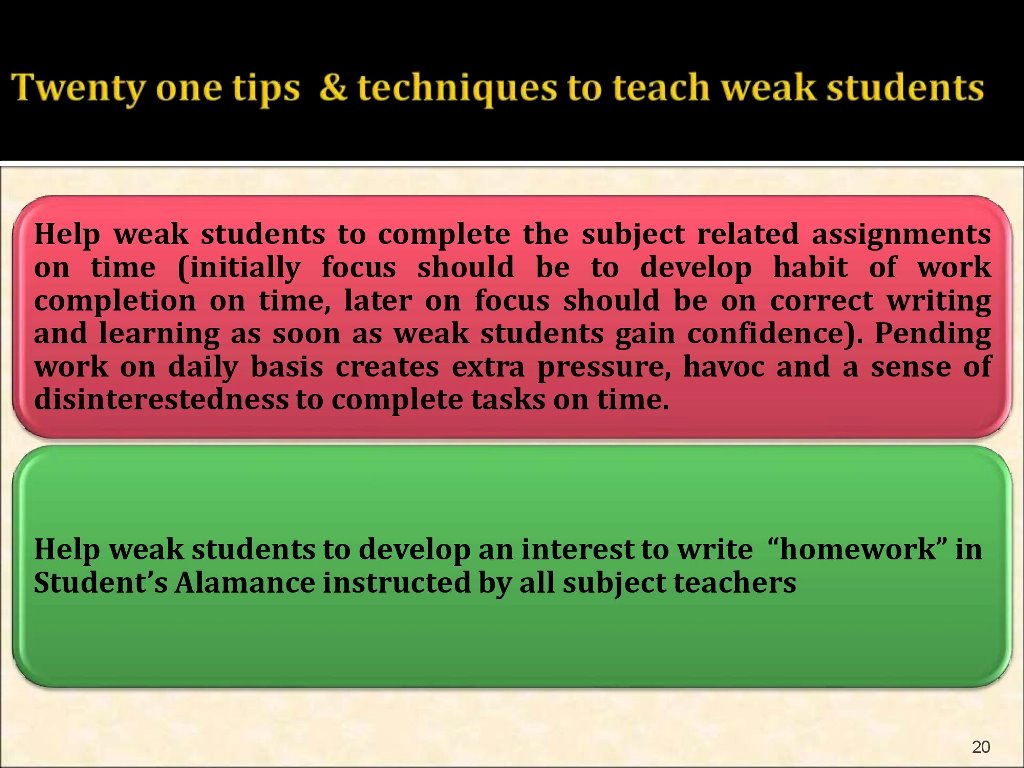
- Breaking Down Complex Tasks: Break down complex topics into smaller, manageable chunks. This helps students feel less overwhelmed and promotes a sense of accomplishment as they master each step.
2. Active Learning Strategies:
- Hands-On Activities: Engaging students through hands-on activities, experiments, and real-world projects is a powerful way to make learning more relevant and enjoyable.
- Interactive Games: Games can be a fun and effective way to reinforce concepts and engage students in active learning.
- Group Projects: Group projects provide students with opportunities to collaborate, learn from each other, and develop essential teamwork skills.
3. Providing Support and Feedback:
- Peer Tutoring: Pair students who understand the material with those who are struggling. Peer tutoring can be a great way for students to learn from each other and build confidence.
- Individualized Support: Offer extra help during or after class, and provide one-on-one support to address specific needs.
- Constructive Feedback: Provide regular feedback that is specific, actionable, and positive. Help students understand their strengths and areas for improvement.
4. Connecting Learning to Real-World Applications:
- Project-Based Learning: Engage students in real-world projects that connect learning to their interests and everyday lives.
- Guest Speakers: Bring in experts from different fields to share their experiences and inspire students.
- Field Trips: Organize educational field trips to provide hands-on learning experiences and broaden students’ horizons.
5. Addressing Emotional and Behavioral Challenges:
- Building Relationships: Take the time to build positive relationships with students. Get to know them on a personal level, and show empathy and understanding for their challenges.
- Positive Discipline: Use positive reinforcement and redirection to address behavioral issues. Avoid public shaming or punishment, as this can damage self-esteem and create resentment.
- Collaborating with Parents: Communicate with parents about their child’s progress and challenges. Work together to create a supportive environment at home that fosters learning.
Remember, every student is different, and the approach that works for one might not work for another. Be patient, flexible, and always open to trying new strategies. It’s a journey, not a destination, and there will be bumps along the way. But with dedication and a willingness to adapt, you can help even the most struggling students achieve their full potential.
Celebrating Success: Recognizing and Applauding Progress
One of the most rewarding aspects of teaching is witnessing the growth and transformation of students. It’s like watching a flower bloom, starting from a tiny bud to reaching its full glory. The journey may be filled with challenges, but the moments of triumph are truly inspiring.
So, how do you recognize and applaud progress?
- Acknowledge Effort: Acknowledge students’ effort, even if they don’t always achieve the desired results. Emphasize that learning is a process and that progress is made through perseverance.
- Celebrate Milestones: Celebrate even the smallest victories. Recognize students’ accomplishments, big or small, and create a culture of positive reinforcement.
- Highlight Individual Strengths: Help students identify their strengths and celebrate their unique talents and abilities.
- Share Success Stories: Share stories of students who have overcome challenges and achieved success. This can inspire other students and demonstrate that anything is possible with hard work and dedication.
Remember, celebrating success isn’t just about boosting students’ self-esteem. It’s about creating a positive learning environment where students feel motivated to continue learning and strive for excellence. It’s about fostering a growth mindset where failures are seen as opportunities for learning and growth.
Personal Anecdotes: Lessons Learned from the Trenches
As a teacher for over a decade, I’ve had my fair share of encounters with students who presented challenges. There were moments of frustration, moments of doubt, and moments when I felt like throwing in the towel. But there were also moments of pure joy, moments of triumph, and moments where I witnessed the incredible resilience and potential of students who had been labeled “weak.”
One student, let’s call him Michael, came to my classroom with a reputation for being disruptive and uninterested in learning. He would often fidget, talk out of turn, and disrupt the class. I tried everything—individualized attention, behavior charts, even a trip to the principal’s office. Nothing seemed to work.
Then, I had an epiphany. I realized I wasn’t connecting with Michael on a personal level. He was passionate about skateboarding, and I thought, “What if I could somehow tap into that passion?” So, I incorporated skateboarding into our lessons, using it as a metaphor for the concepts we were learning.
The transformation was incredible. Michael became engaged, focused, and started participating in class. He even excelled in our skateboarding-themed projects. That experience taught me that sometimes all it takes is a little creativity and understanding to connect with a student on their level and unlock their potential.
Another student, let’s call her Sarah, struggled with math. She would get anxious and frustrated whenever we tackled a new concept. I realized she was terrified of making mistakes. So, I created a safe space for her to experiment, make mistakes, and learn from them.
I started incorporating group work and peer tutoring, and encouraged Sarah to help others. This allowed her to build confidence and realize that mistakes are part of the learning process. Sarah blossomed into a confident mathematician, and her success served as a reminder that patience, empathy, and a growth mindset are essential for helping students overcome their challenges.
The Power of Believing in Your Students
I’ve learned that the most important ingredient in helping students succeed is believing in them. When you believe in a student, you create a self-fulfilling prophecy. You inspire them to believe in themselves, to overcome obstacles, and to reach their full potential.
Think about it. When you believe in someone, you are sending a powerful message. You are saying, “I see your worth, I value your efforts, and I know you can achieve great things.”
This belief can be a catalyst for incredible transformation. It can empower students to push beyond their perceived limitations and realize their full potential.
Remember, your role as a teacher is not just to deliver information. It’s about nurturing a love for learning, inspiring a sense of wonder, and helping students discover their own unique gifts and talents.
So, embrace the challenge of teaching “weak” students. It’s an opportunity to make a real difference in their lives, to help them unlock their potential, and to leave a lasting impact on their educational journey.
Final Thoughts
The journey of a teacher is not always easy. There will be moments of frustration, doubt, and exhaustion. But there will also be moments of pure joy, moments of triumph, and moments where you witness the incredible potential that lies within every student.
By creating a supportive and inclusive classroom, implementing effective strategies, and celebrating success, you can empower students to overcome their challenges and reach their full potential.
Remember, every student is unique, and every student has the capacity for greatness. Believe in them, inspire them, and help them discover the greatness within. And above all, never underestimate the power of your own belief in them.
It’s a journey that will challenge you, ignite your passion, and ultimately make you a better teacher. And remember, the most fulfilling rewards come from seeing your students blossom into confident, capable learners.
So, go forth and inspire!

