

How To Deal With Rude Students: A Teacher’s Guide to Navigating the Tough Terrain
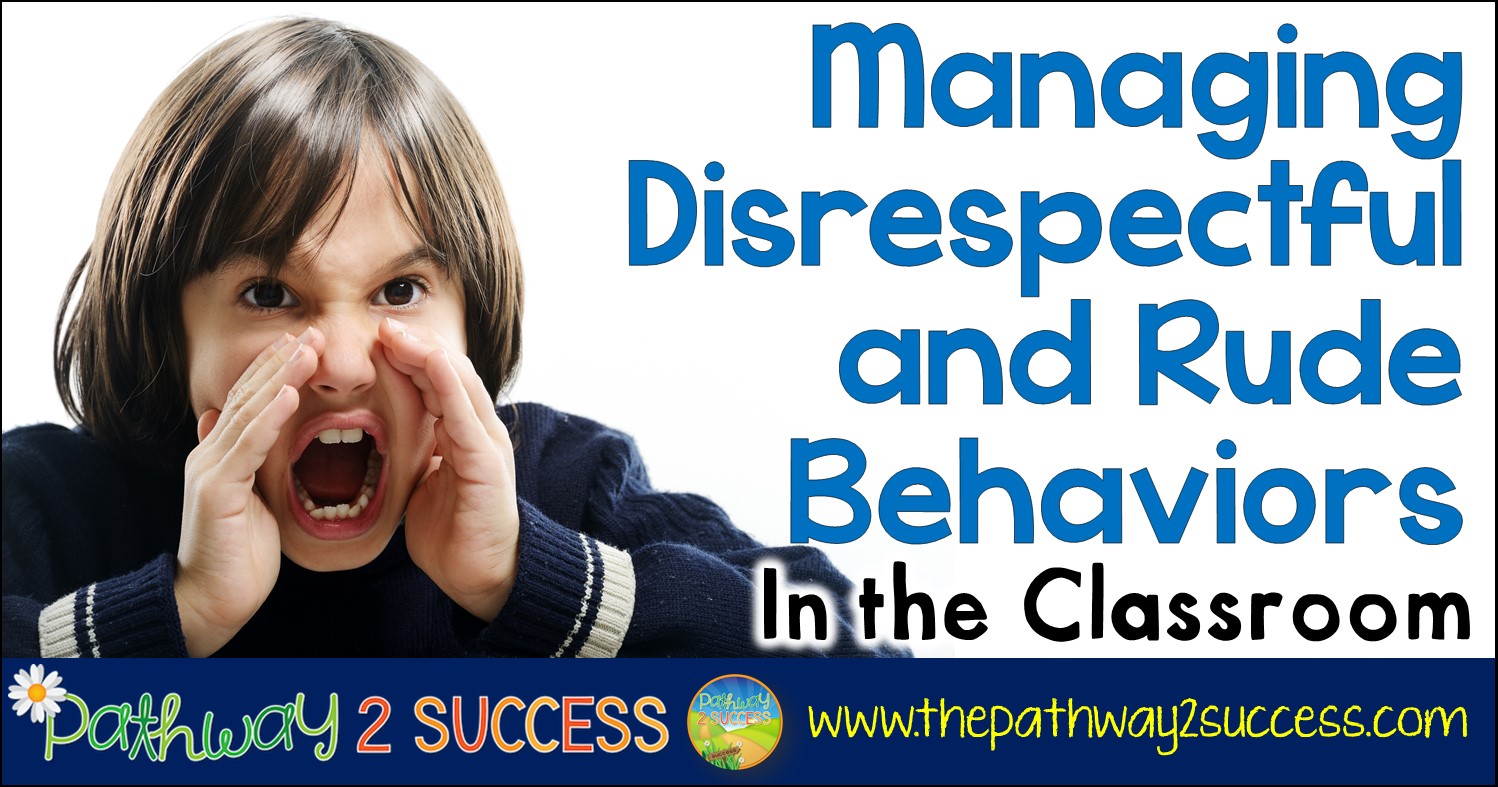
Let’s face it, teaching is a demanding profession. You’re constantly juggling lesson plans, grading papers, and dealing with the inevitable ups and downs of student behavior. And sometimes, those downs can feel like a full-blown avalanche. Dealing with rude students can be a real challenge, but it’s a challenge we all face at some point.
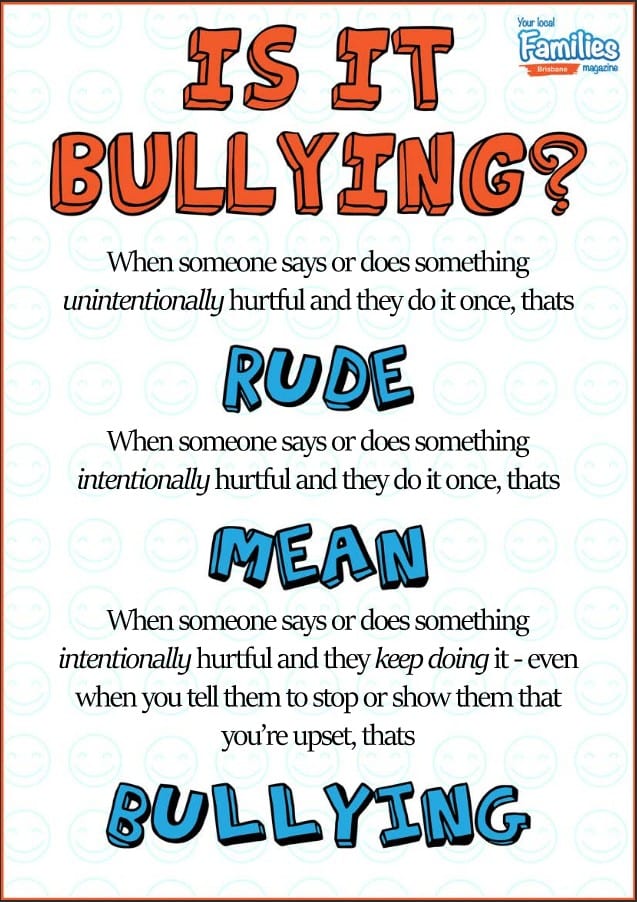
I’ve been teaching for over a decade, and I’ve seen my fair share of difficult students. Some were just going through a rough patch, some had underlying issues, and some, well, let’s just say they weren’t exactly known for their impeccable manners. But through it all, I’ve learned a few tricks of the trade when it comes to navigating the sometimes-rocky terrain of student behavior.
This guide is for you, my fellow educators, who are seeking strategies to help manage those challenging moments when students’ rudeness becomes a roadblock to learning. We’re going to dive deep into the world of dealing with rude students, offering practical advice, real-world scenarios, and, yes, even a little humor to help you navigate those tricky situations.
Understanding the Roots of Rudeness: A Peek Inside the Student Mind
Before we jump into the practical strategies, let’s take a moment to understand what might be driving a student’s rude behavior. After all, knowing the “why” behind the “what” is crucial for any effective response.
1. Attention-Seeking:
Some students use rudeness as a way to grab attention, even if it’s negative attention. They might interrupt, make inappropriate jokes, or challenge your authority in the hopes of getting a reaction from you or their classmates.
Personal Anecdote: I remember one particularly boisterous student, let’s call him Mark (yes, I know, a bit of a coincidence!), who would always try to hijack class discussions. He’d interrupt, make off-color jokes, and even attempt to start arguments with other students. At first, I tried ignoring him, but it only seemed to fuel his fire. Finally, I decided to address him directly. I called him out on his behavior in a calm but firm voice, explaining that his actions were disruptive and disrespectful to his classmates. I also made it clear that I wanted him to participate in class, but I expected him to do so in a constructive and respectful way. To my surprise, it worked. Mark calmed down and actually became a valuable contributor to the class discussion. The key was to address his behavior directly but not personalize it.
2. Frustration and Powerlessness:
Some students might act out when they feel frustrated or powerless. They may be struggling with the material, feeling overwhelmed by the workload, or experiencing problems at home. This can lead them to lash out at others, including their teachers.
3. Testing Boundaries:
Many teenagers, and even some younger students, are naturally inclined to test boundaries. They want to see how far they can go before they get into trouble. They might make snide remarks, disobey instructions, or challenge your authority simply to see how you react.
4. Lack of Respect for Authority:
Some students might have a general lack of respect for authority figures, including teachers. This could be due to their upbringing, their personal experiences, or even their social group.
5. Underlying Issues:
There are also times when a student’s rudeness might be a symptom of a deeper underlying issue, such as a mental health condition, family problems, or abuse. It’s important to be aware of these possibilities and seek help if you suspect a student is struggling.
The Art of Responding to Rudeness: A Gentle Hand with a Firm Grip
Now that we have a better understanding of the potential causes of rudeness, let’s dive into the practicalities of responding to it.
1. Stay Calm and Composed:
One of the most important things to remember when dealing with a rude student is to stay calm and composed. It’s easy to get flustered or defensive when someone is disrespectful to you, but it’s crucial to maintain your composure.
Personal Anecdote: I’ll admit, there have been times when a student’s remark has pushed me to the edge of my patience. I’ve felt my blood pressure rising, my face turning red, and my inner voice screaming “I’m going to lose it!” But I’ve learned the hard way that reacting emotionally will only escalate the situation. Instead, I take a deep breath, try to understand what’s behind the student’s behavior, and then respond calmly and professionally.
2. Address the Behavior Directly:
Don’t ignore rude behavior. It’s important to address it directly and calmly. Explain to the student why their behavior is inappropriate, and what they can do differently in the future.
Example: “Sarah, I understand you might be frustrated with this assignment, but calling me names is disrespectful and it’s not helping anyone. How about we take a few minutes to calm down and then try to work through this together?”
3. Avoid Personalizing the Situation:
When addressing rude behavior, focus on the behavior itself, not the student’s personality. Don’t make it personal.
Example: Instead of saying, “You’re always so rude,” say, “I noticed you’ve been interrupting the class a few times. It’s important for everyone to have a chance to share their thoughts.”
4. Set Clear Expectations and Boundaries:
It’s essential to set clear expectations and boundaries for student behavior from the beginning of the year. This will help to prevent problems from escalating in the first place.
5. Use Positive Reinforcement:
When students behave respectfully, acknowledge and praise them. This will encourage them to continue behaving in a positive way.
Example: “Ethan, I really appreciate the way you’ve been participating in class today. You’ve been asking thoughtful questions and sharing your ideas with your classmates. That’s exactly what we want to see in this class.”
6. Be Consistent:
Consistency is key. If you don’t address rude behavior every time, students will quickly learn that they can get away with it.
7. Involve Parents or Guardians:
If you’re struggling to manage a student’s rude behavior, consider involving their parents or guardians. They may be able to provide insights into the student’s home life and offer suggestions for how to work with them.
8. Seek Additional Support:
If a student’s rudeness is causing significant disruption to your classroom or is related to a potential underlying issue, seek additional support from school administrators, counselors, or other professionals.
Navigating the Grey Areas: When “Rudeness” Becomes More Complex
While we’ve discussed some common causes and strategies for dealing with rude students, remember that each situation is unique. There are times when the lines between rudeness and a more complex issue become blurry. Here are some scenarios to consider:
1. Students with Different Learning Styles or Abilities:
Students with different learning styles or abilities may need additional support and accommodations. Their frustration with the material or the pace of the classroom could manifest as perceived rudeness.
Example: A student with dyslexia may struggle to complete assignments on time, which might lead them to lash out at the teacher. It’s essential to be patient and understanding in these situations and provide the necessary support.
2. Students with Mental Health Issues:
Students with mental health issues like anxiety, depression, or ADHD might struggle to regulate their emotions and behavior. Their outbursts or disrespectful actions might be unintentional and stem from their condition.
Example: A student with anxiety might become agitated during group work and interrupt the conversation with their anxieties.
3. Students from Diverse Cultures or Backgrounds:
Students from different cultures or backgrounds may have different communication styles or expectations for teacher-student interactions.
Example: In some cultures, it’s considered disrespectful to make direct eye contact with adults, which could be misconstrued as rudeness in a classroom setting.
4. Students Experiencing Trauma:
Students who have experienced trauma or abuse may react to certain situations or stimuli in ways that seem inappropriate or disrespectful. They might have difficulty controlling their emotions, exhibiting anxiety, or withdrawing from social situations.
5. Students Facing Bullying or Other Social Challenges:
A student might act out in a seemingly rude way to mask their own struggles with bullying, peer pressure, or other social challenges.
The Importance of Empathy and Understanding
In all of these situations, empathy and understanding are critical. Instead of jumping to conclusions about a student’s behavior, take the time to listen to them, understand their perspective, and try to see the situation through their eyes.
Personal Anecdote: I once had a student who was constantly getting into trouble for disruptive behavior. He was loud, disrespectful, and seemed to delight in causing chaos. But one day, I noticed him sitting alone in the corner, looking despondent. I sat down next to him and asked him what was wrong. He hesitated at first, but then he opened up about his home life. He was dealing with a lot of stress and turmoil, and his behavior was a way of coping with those difficulties.
Once I understood the root of his problems, I was able to be more compassionate and supportive. I didn’t ignore his bad behavior, but I approached it with more understanding and patience. We developed a plan together for him to manage his emotions and improve his behavior.
Building Positive Relationships: The Key to a Respectful Classroom
Remember, your role as a teacher goes beyond dispensing knowledge. You’re also a mentor, a guide, and a role model for your students. Building positive relationships with your students is essential for creating a respectful and supportive learning environment.
1. Show Genuine Interest in Your Students:
Get to know your students as individuals. Learn about their interests, their hobbies, and their aspirations. Show them that you care about their well-being, both inside and outside of the classroom.
2. Communicate Effectively:
Be clear, concise, and respectful in your communication with students. Listen attentively when they speak and try to understand their perspectives.
3. Be Fair and Consistent:
Treat all students with fairness and respect. Set clear expectations and enforce them consistently.
4. Create a Safe and Inclusive Classroom:
Make sure your classroom is a welcoming and safe space for all students. Encourage a culture of respect and acceptance, where students feel comfortable sharing their thoughts and ideas without fear of judgment.
5. Model Positive Behavior:
Be the kind of teacher you want your students to be. Show respect for your students, your colleagues, and yourself.
Finding the Right Balance: Between Firmness and Compassion
Dealing with rude students requires a delicate balance between firmness and compassion. You need to set clear boundaries and expectations, but you also need to be understanding and empathetic.
Remember:
- Don’t personalize the behavior: Focus on the specific actions, not the student’s overall character.
- Address the behavior calmly and directly: Explain why it’s inappropriate and what the student can do differently.
- Be consistent: Respond to rudeness every time to reinforce expectations.
- Seek support when needed: Don’t be afraid to ask for help from school administrators, counselors, or other professionals.
- Focus on building positive relationships: Show genuine interest in your students and create a safe and inclusive learning environment.
The Final Word: A Teacher’s Journey
Dealing with rude students is a challenging but essential part of the teaching profession. It’s a journey that requires patience, understanding, and a good dose of humor. By staying calm, setting clear boundaries, and building positive relationships with your students, you can create a classroom environment that’s conducive to learning, growth, and mutual respect.
Remember, you’re not alone in this journey. There are countless resources available to help you navigate these challenges and become the best teacher you can be.
Additional Resources:
- The National Education Association: The NEA offers resources for teachers on a wide range of topics, including classroom management and student behavior.
- The National Association of School Psychologists: The NASP provides information and support for educators on student mental health and well-being.
- The American Psychological Association: The APA offers resources on a variety of psychological topics, including child and adolescent development.
Remember: Every student is unique, and every situation is different. Be patient, be empathetic, and be the best teacher you can be. You’ve got this!

