

How to Deal With Passive Aggressive Students: A Teacher’s Guide to Navigating the Minefield
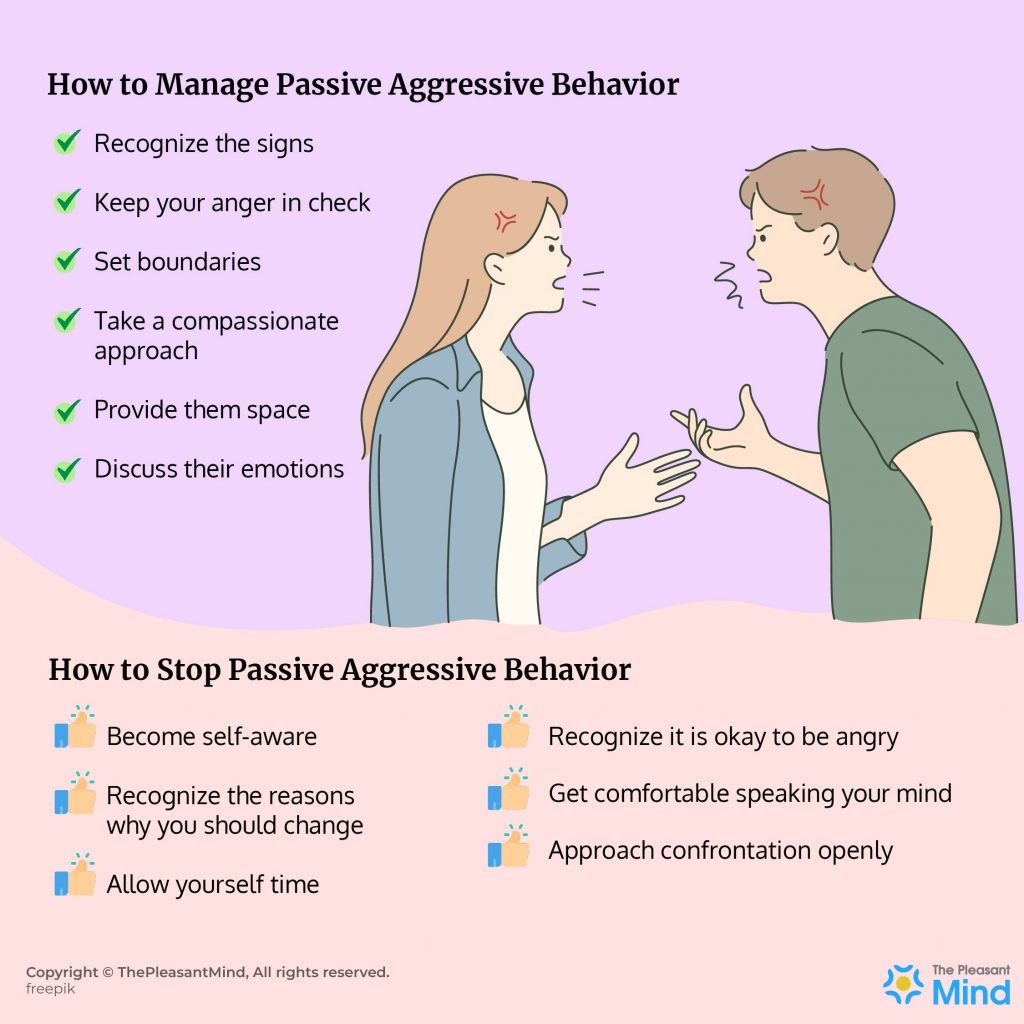
It’s a universal truth: teachers are superheroes in disguise. We’re expected to be patient, understanding, knowledgeable, and, oh yeah, somehow motivate a room full of individuals with varying levels of interest, maturity, and… well, let’s just say some students have a knack for making life a little more interesting.
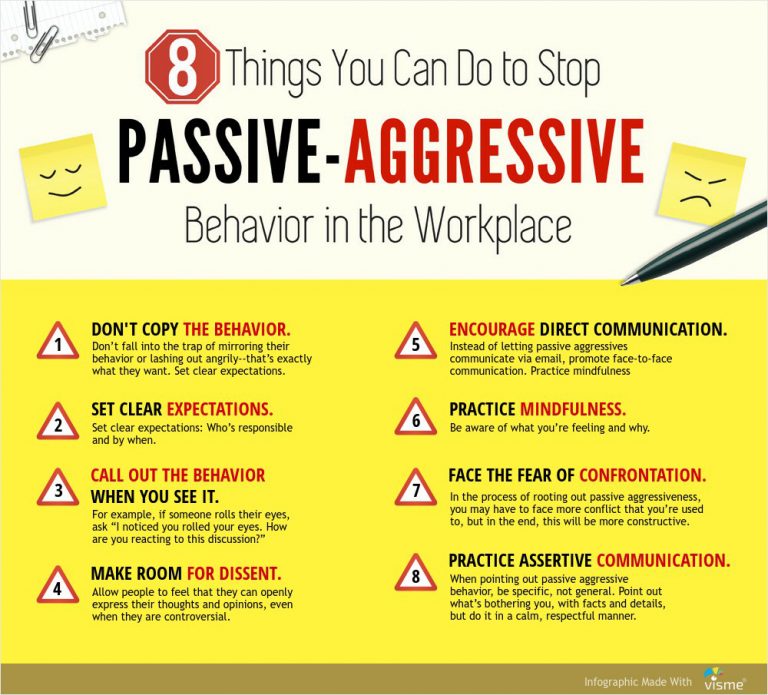
One of the most challenging aspects of teaching, especially in this digital age, is dealing with passive-aggressive students. They’re the silent saboteurs, the ones who don’t directly confront you but leave a trail of subtle (and sometimes not-so-subtle) hints, digs, and eye rolls. They might be the ones who refuse to engage in class, leaving you feeling like you’re talking to a wall, or the ones who complain to their parents about your teaching style while never mentioning it to you directly.
So, how do we, as educators, navigate this minefield of passive aggression? It’s a delicate dance, a blend of understanding, patience, and a healthy dose of humor, sprinkled with a dash of firm boundaries.
Understanding the Roots of Passive Aggression
Before we delve into the strategies for dealing with passive aggression, it’s important to understand its roots.
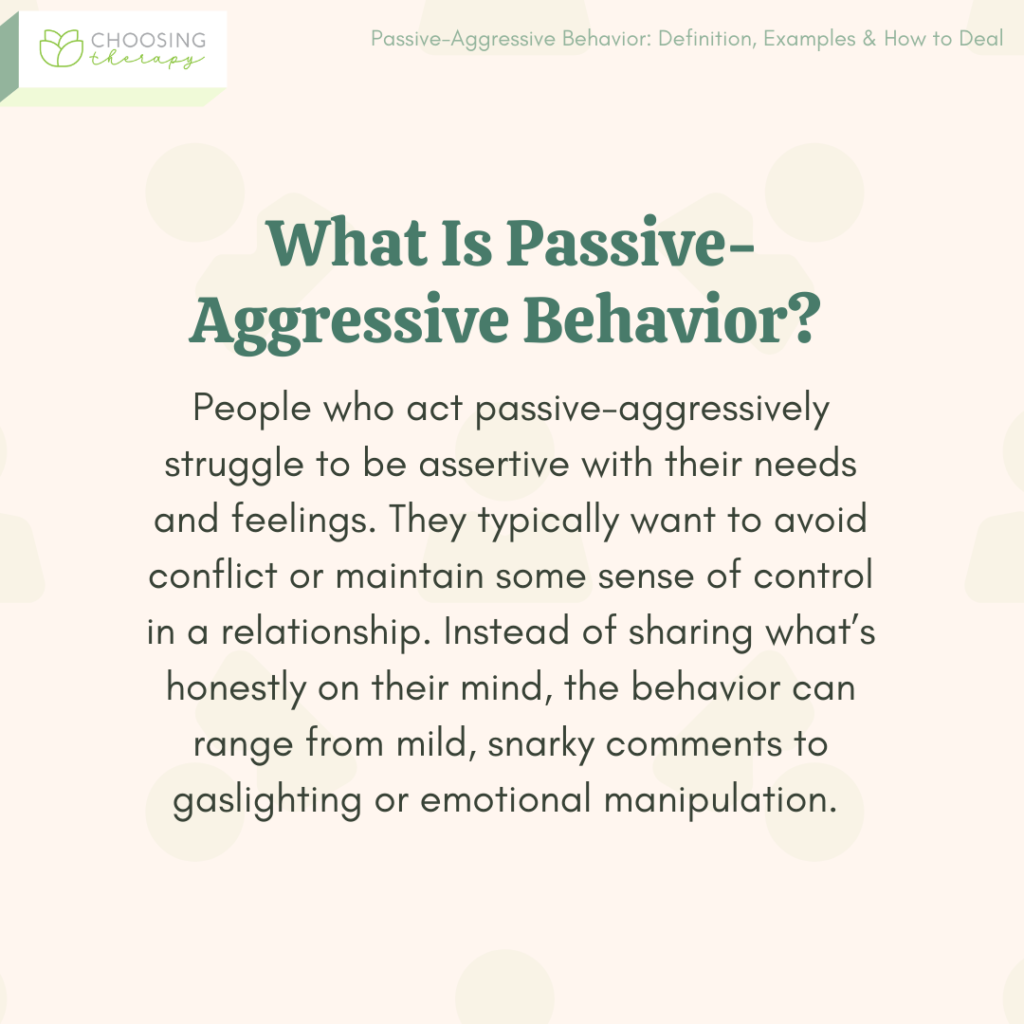
Passive aggression, in its essence, is a form of indirect communication. It’s a way of expressing anger, resentment, or frustration without directly confronting the person or issue. The student might be using this behavior as a defense mechanism, a way to avoid conflict or perceived vulnerability.
There are many reasons why a student might resort to passive aggression. They could be:
- Feeling overwhelmed or anxious: The pressure to succeed academically, socially, and personally can be overwhelming for some students, leading them to express their stress and anxiety through passive-aggressive behavior.
- Seeking attention: Some students might engage in passive-aggressive behavior because they crave attention, even if it’s negative attention.
- Lacking communication skills: Some students might struggle to articulate their feelings and needs effectively, leading them to resort to indirect communication.
- Having a difficult home life: Students dealing with family issues, bullying, or other challenges at home might find it difficult to focus on schoolwork and express themselves in a healthy way.
- Feeling misunderstood: Sometimes, students feel like their voices aren’t being heard, leading them to express their frustration through subtle acts of defiance.
Understanding the underlying causes of passive aggression can help us approach the situation with empathy and understanding. It’s not about excusing their behavior, but about recognizing the possible factors that might be contributing to it.
Strategies for Dealing With Passive Aggressive Students
Now that we have a better understanding of the roots of passive aggression, let’s dive into some practical strategies for dealing with these students in the classroom:
1. Establish Clear Boundaries and Expectations
One of the most effective ways to deal with passive-aggressive behavior is to establish clear boundaries and expectations from the beginning. This includes:
- Creating a classroom culture of respect: Foster a classroom environment where students feel safe to express themselves honestly and respectfully.
- Clearly articulating your expectations: Don’t assume students know what’s expected of them. Clearly communicate your rules, policies, and expectations in a written form and verbally.
- Enforcing consequences: When students violate the classroom rules, enforce consequences consistently and fairly. This shows them that their behavior has consequences and discourages future passive-aggressive behavior.
Personal Anecdote:
I remember a student who was notorious for leaving his assignments unfinished, claiming he “forgot” to bring them. I noticed he always had a meticulously organized folder with a “To-Do” list. Instead of confronting him, I calmly addressed the class, mentioning that it’s crucial to be responsible for completing assignments. I pointed out that having a “To-Do” list was a great step, but it meant nothing without action. The next day, he came to class with his assignment, and although he never acknowledged it, I knew my subtle message had gotten through.
2. Active Listening: The Art of Truly Hearing
Passive-aggressive behavior can be a cry for help, a way for a student to communicate their struggles without directly asking for it. Learning to actively listen to them, truly understanding their unspoken words, is crucial.
- Pay attention to nonverbal cues: A student’s body language, facial expressions, and tone of voice can reveal a lot about their underlying feelings.
- Ask open-ended questions: Instead of asking “Did you have any questions about the homework?”, try asking “What are your thoughts on the homework?” or “What are you finding challenging?”
- Create a safe space: Show your students that you care about their well-being and want to help them succeed. Let them know that you’re there for them, even when they don’t explicitly ask for help.
Personal Anecdote:
One of my students was always quiet, seemingly disinterested in class. However, I noticed she always sat in the front row, taking meticulous notes, and her homework was always perfect. One day, I pulled her aside and asked if there was anything she was struggling with. She admitted that she was afraid to ask questions because she felt like she was holding everyone back. It turned out she was a visual learner, and the class format wasn’t working for her. I adjusted my teaching style to incorporate more visual aids, and her engagement blossomed.
3. Address the Behavior Directly (When Necessary)
Sometimes, passive-aggressive behavior can escalate, becoming disruptive and affecting the learning environment. If you’ve tried active listening and establishing clear boundaries, but the behavior persists, it’s time to address it directly.
- Choose your timing wisely: Don’t confront the student in front of the entire class. Pull them aside privately when the class is settled.
- Use “I” statements: Instead of accusing the student, use “I” statements to express how their behavior is affecting you. For example, “I notice you haven’t been participating in class lately, and it makes me feel like you’re not interested in the material.”
- Focus on the behavior, not the person: Don’t make personal attacks. Instead, focus on the specific behavior that is causing concern.
- Offer solutions: Help the student understand how their behavior is affecting others and work together to come up with solutions. For example, you might suggest a more collaborative approach to projects or offer extra support outside of class.
Personal Anecdote:
I had a student who was known for being sarcastic and dismissive in class. She’d roll her eyes, sigh loudly, and make snide comments under her breath. After a few attempts to address it indirectly, I finally had to have a private conversation with her. I said, “I’ve noticed you’ve been making some comments in class that I’m concerned about. While I understand you might not agree with everything, your behavior is affecting the learning environment for others. I’m here to support you, but I need you to respect the classroom rules.” Surprisingly, she was receptive to my feedback and made a conscious effort to change her behavior.
4. Humor: The Great Equalizer
Sometimes, a little humor can go a long way in defusing tension. A well-timed joke or a playful quip can help lighten the mood and break down walls.
- Use self-deprecating humor: If a student makes a passive-aggressive remark, you can deflect it with a playful self-deprecating response. This shows them that you can take a joke and that you’re not easily offended.
- Find common ground: Use humor to connect with the student on a personal level. A shared joke about a recent movie or a funny anecdote about your own experience as a student can create a sense of camaraderie and break down barriers.
Personal Anecdote:
I once had a student who constantly made sarcastic remarks about my teaching style. One day, he said, “You know, Mr. Kinosita, you really need to learn how to use PowerPoint effectively.” Instead of getting defensive, I replied, “You know, you’re absolutely right! I’ve been using the same boring template since the Stone Age. I’m thinking of hiring a design guru to modernize my slides. Maybe you could be my consultant?” The class erupted in laughter, and the tension was broken. He even later approached me to offer to design a new template.
5. Seek External Help
If passive-aggressive behavior persists despite your best efforts, don’t hesitate to seek help.
- Talk to the student’s parents: Collaborating with parents can provide valuable insight into the student’s home life and potential contributing factors.
- Consult with school counselors or administrators: School counselors can offer guidance on addressing behavioral challenges and providing support to the student.
- Refer to specialists: In some cases, the student might benefit from working with a therapist or counselor to address underlying issues that are contributing to their behavior.
Personal Anecdote:
One student was exhibiting increasingly disruptive behavior, even after multiple attempts to address it directly. I consulted with the school counselor, who suggested that the student might be experiencing anxiety and stress. The counselor worked with the student individually, providing her with coping strategies and emotional support. The result? A significant improvement in her classroom behavior and a newfound confidence in her academic abilities.
Avoiding Passive Aggression: A Proactive Approach
The best way to deal with passive aggression is to prevent it in the first place. Here are some proactive strategies you can implement:
- Building strong relationships: Get to know your students personally, build rapport, and foster a sense of trust. This can help create a classroom environment where students feel comfortable expressing themselves openly and honestly.
- Open communication: Encourage open communication and create a culture where students feel safe to share their concerns and ideas.
- Encouraging empathy: Promote empathy and understanding in the classroom. Teach students how to communicate effectively and respectfully, and how to see things from others’ perspectives.
- Recognizing and celebrating individual strengths: Highlight each student’s unique talents and interests. Help them develop a sense of pride in their abilities and encourage them to contribute to the classroom community in meaningful ways.
Personal Anecdote:
I started implementing a “Student of the Week” program in my class. Each week, I choose a student to highlight their achievements, contributions, and personal qualities. It’s not about “best” or “smartest” but about celebrating their unique attributes. The student gets a chance to share something they’re passionate about with the class, and it creates a sense of belonging and recognition.
Conclusion: A Teacher’s Journey
Dealing with passive-aggressive students is a challenging but rewarding part of teaching. It requires patience, understanding, and a willingness to adapt your approach.
Remember that behind every act of passive aggression, there’s a story. It’s our role as educators to be compassionate listeners, to create a safe and supportive environment, and to help students find their voices, even when they’re struggling to articulate their feelings.
Ultimately, our goal is not just to teach content, but to guide our students on their journey to becoming responsible, empathetic, and well-rounded individuals.
By understanding the roots of passive aggression, implementing effective strategies, and fostering a positive learning environment, we can transform challenges into opportunities for growth and create a classroom where every student feels valued, respected, and empowered to reach their full potential.

