

How To Deal With Odd Students: A Teacher’s Guide to Navigating the Quirks and Quirks
Oh, the joys of teaching! You never know what kind of personalities you’ll encounter in a classroom. Some students are eager to learn, some are more interested in doodling, and some… well, some are just plain odd. They might wear hats indoors, have a penchant for unusual food combinations, or start conversations about the latest conspiracy theory.
But before you dismiss these “odd” students as troublemakers or dismiss their behavior as just plain weird, let’s take a moment to understand what makes them tick. Remember, every student is an individual, and “odd” is just a label. It’s a reflection of their uniqueness, their perspective, and sometimes, even their struggles.

Embracing the Uniqueness: Why “Odd” Students Can Actually Be Assets
Let’s be honest, there’s a certain charm to the “odd” student. They’re the ones who bring a different energy to the classroom, the ones who ask questions no one else dares to ask. They keep things interesting and challenge the status quo, which can be a good thing, especially in education.
Think of it this way: “Odd” students are like spices in a dish. They might not be the main ingredient, but they add complexity and depth. They challenge our preconceived notions and make us think differently.
Here’s how those unique perspectives can be valuable:
- Fresh ideas: “Odd” students often have a different way of looking at things, which can lead to fresh ideas and solutions. They might see connections that others miss, or think outside the box.
- Creative thinking: They’re often more comfortable with unconventional thinking, which can make them more creative problem solvers.
- Stimulating discussion: They can spark stimulating discussions in the classroom, pushing everyone to consider new viewpoints.
- Unique talents: “Odd” students often have unique talents and interests that can enrich the learning environment for everyone.
So, instead of trying to conform them to the norm, let’s embrace their individuality and harness their unique perspectives. But how do you actually deal with these “odd” students?
Dealing with “Odd” Students: A Guide for Teachers
First off, it’s crucial to understand that the term “odd” is subjective. What might seem unusual to one person could be perfectly normal to another. So, instead of focusing on the label, let’s focus on the student’s behavior and find ways to manage it effectively.
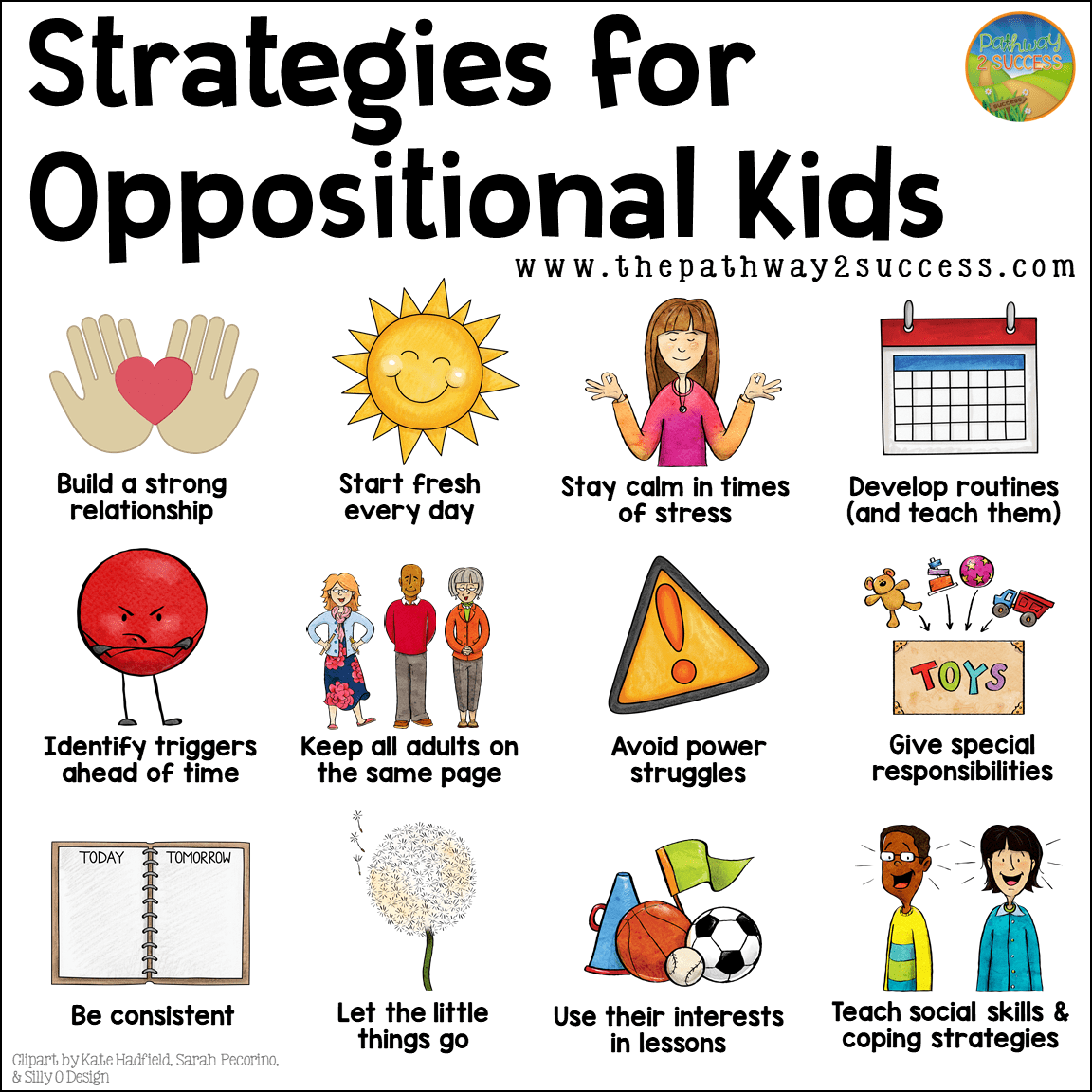
Here are some practical strategies:
1. Get to Know Your Students: Building Rapport
Just like everyone else, “odd” students want to feel understood and valued. Building rapport with them is crucial.
- Be patient: Give them time to open up. You might have to work a little harder to connect with them, but it’s worth the effort.
- Listen actively: Pay attention to what they say, and ask follow-up questions. Show genuine interest in their ideas and perspectives.
- Show respect: Treat them with the same respect you would any other student, even if their behavior is different.
- Humor can help: If appropriate, use humor to break the ice and make them feel comfortable. But always be sensitive to their feelings.
Think about it this way: The “odd” student could be struggling with social anxiety, feeling like an outsider, or dealing with a difficult family situation. By getting to know them, you can understand their behavior and create a more supportive learning environment for them.
2. Channel Their Quirks: Turn “Odd” Behavior into Opportunities
Every student has their own unique way of learning. Some excel at group work, some prefer individual study, and some… well, some learn best by making origami airplanes in the middle of class!
- Acknowledge their differences: Don’t try to force them to conform. Instead, find ways to accommodate their unique learning styles.
- Find their strengths: Identify their interests and talents, and incorporate them into your lessons. For example, if a student loves building things, let them create a model for a historical event.
- Encourage creative expression: Give them opportunities to express themselves through creative projects, such as writing stories, painting, or composing music.
Remember, everyone learns differently, and “odd” students often have a unique way of processing information. It’s our job as teachers to tap into that unique learning style and make the most of it.
3. Handle Challenging Behavior: Setting Boundaries and Expectations
Of course, dealing with “odd” students isn’t always sunshine and rainbows. Sometimes, their behavior can be challenging, disrupting the classroom or impacting other students’ learning. Here’s how to manage those situations effectively:
- Establish clear expectations: Make sure all students understand your classroom rules and expectations. Be consistent with your enforcement.
- Communicate with parents: If a student’s behavior is causing problems, don’t hesitate to reach out to their parents or guardians. Explain the situation and ask for their support.
- Utilize positive reinforcement: When a student exhibits positive behavior, acknowledge it and reward them. This can help to encourage them to continue on the right track.
- Involve school administrators: If the behavior is severe or persistent, you may need to involve the school counselor, principal, or other administrators.
Remember, the goal is to help the student, not to punish them. By working together with parents and school staff, you can find a solution that works for everyone.
4. Remember the Human Side: Showing Compassion and Understanding
It’s important to remember that “odd” students are still just kids. They’re still figuring out who they are and how to fit in.
- Offer empathy: Try to understand their perspective and why they might be behaving the way they do.
- Be patient: It might take time for them to change their behavior. Don’t give up on them.
- Focus on their strengths: Emphasize their positive qualities and talents.
- Celebrate their successes: Acknowledge and celebrate their accomplishments, no matter how small they may seem.
Remember, everyone makes mistakes, and everyone deserves a chance to learn and grow. Be patient, be understanding, and you might be surprised at how much these “odd” students can teach you.
How to Deal with “Odd” Students: Personal Anecdotes
I’ve had my fair share of “odd” students over the years. I remember one particular student, let’s call him Billy. He was obsessed with dinosaurs, wore a dinosaur costume to school every day, and would only eat his lunch in a makeshift “cave” he’d constructed from cardboard boxes.
At first, I was a little overwhelmed. I was worried about the other students, and I wasn’t sure how to handle his behavior. But then, I decided to take a different approach. I asked Billy about his fascination with dinosaurs. We talked about their history, their extinction, and their relevance to the present day. We even made a dinosaur-themed diorama together.
To my surprise, Billy opened up. He was very knowledgeable about dinosaurs, and he was excited to share his passion. His classmates were equally intrigued, and they learned a lot about dinosaurs from Billy. We even held a dinosaur day, where the kids dressed up in dinosaur costumes and participated in dinosaur-themed activities.
That experience taught me a valuable lesson: It’s important to be open-minded and embrace the unique perspectives of our students. It’s not about changing who they are; it’s about helping them find their place in the world and feel valued for who they are.
What’s In It for You: The Rewards of Dealing with “Odd” Students
Yes, dealing with “odd” students can be a challenge, but it’s also incredibly rewarding. You’ll learn to be more flexible, more creative, and more understanding. You’ll realize that every student has something valuable to offer, and that differences are not something to be feared, but celebrated.
Remember, those students who are often labeled as “odd” may be the ones who change the world. They may be the inventors, the artists, the scientists, or the leaders of tomorrow. By embracing their uniqueness and helping them to reach their full potential, you might just be nurturing the next generation of innovators and game-changers.
And who knows, you might even learn something from them along the way.
Conclusion: A Final Thought on Embracing the Odd
As teachers, our role is to guide, to inspire, and to help our students grow. We shouldn’t just be imparting knowledge; we should be fostering a love of learning and a belief in their own capabilities. Every student, “odd” or otherwise, deserves to feel valued and to have the opportunity to reach their full potential.
So, next time you encounter an “odd” student, remember:
- Embrace their uniqueness.
- Find their strengths.
- Challenge them to think differently.
- Help them feel valued and accepted.
You might be surprised at what you discover about your students, and you might even learn something about yourself in the process.
After all, the most important lesson we can teach our students is the value of being themselves.
And that’s a lesson worth learning for everyone.
[This is where you would insert an engaging external link, relevant to the keyword topic, to enhance your SEO.]

