

How To Deal With Noisy Students: A Teacher’s Guide to Maintaining Order and Fostering Learning
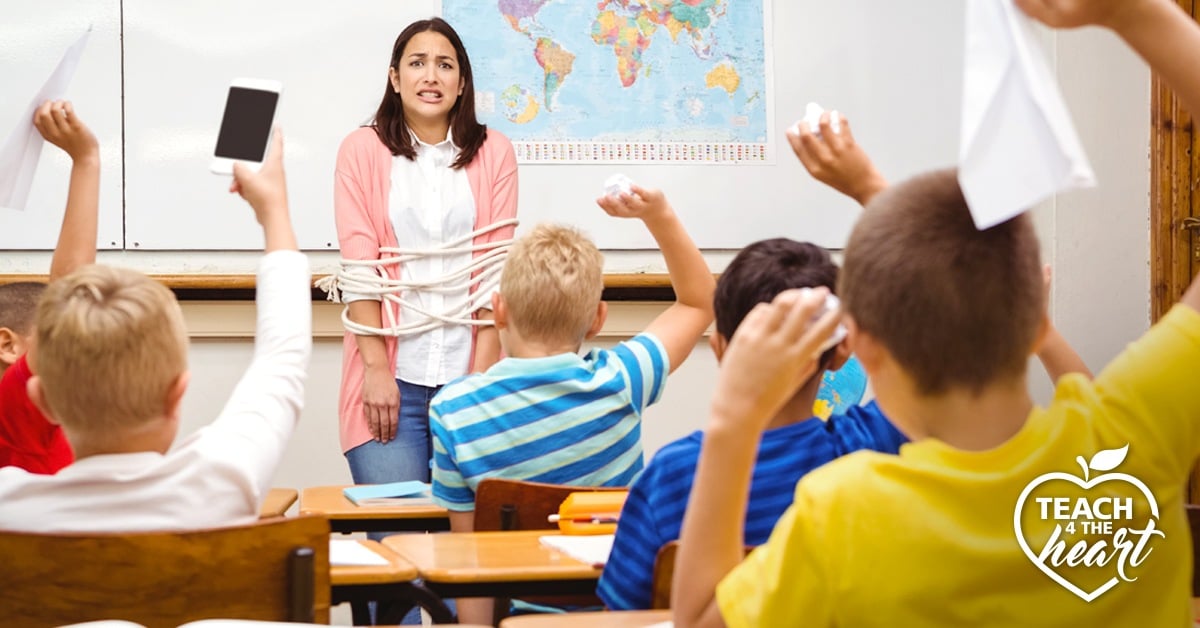
Let’s face it, every teacher has encountered those moments when the classroom resembles a chaotic symphony – a cacophony of chatter, shuffling papers, and the occasional shriek of laughter. You’ve meticulously planned your lesson, prepared engaging activities, and even brought in some fancy props, but the noise levels threaten to derail your entire teaching plan.

Don’t despair! Dealing with noisy students is a challenge every educator faces, but it’s not an insurmountable one. With the right strategies and a dash of patience, you can cultivate a productive and enjoyable learning environment for both you and your students.
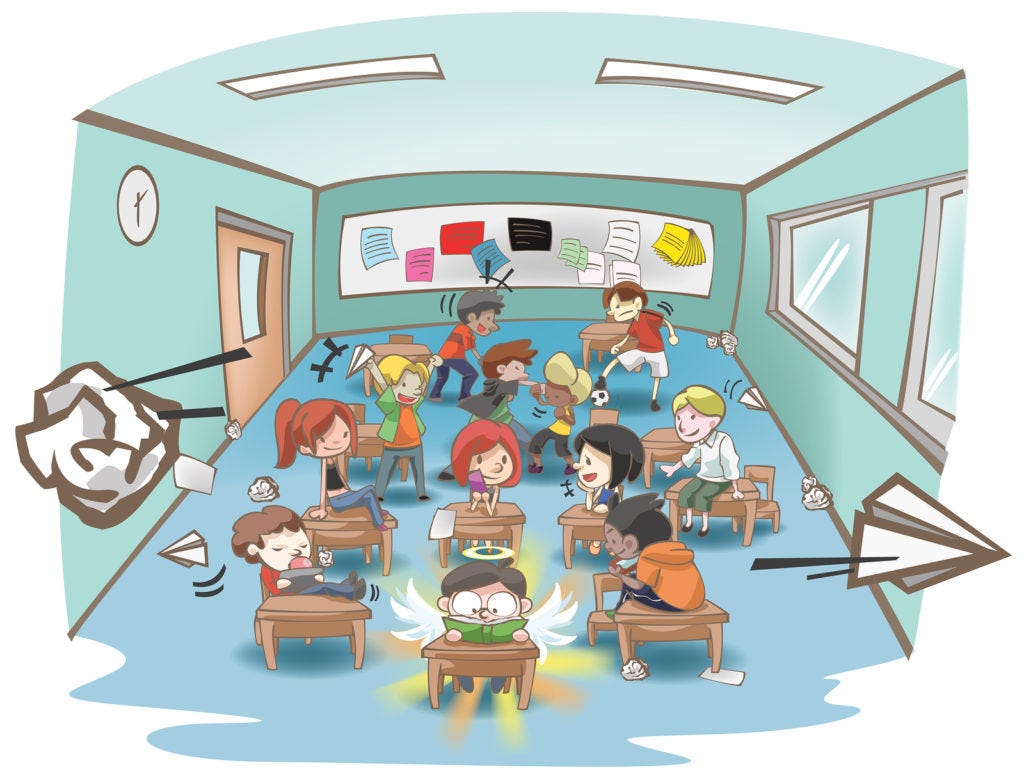
Understanding the Roots of Classroom Noise
Before you start implementing strategies to combat noise, let’s delve into why students might be noisy in the first place. Understanding the underlying causes can help you tailor your approach more effectively.
1. Lack of Structure and Clear Expectations:
Think of it this way, students are like little boats sailing on a vast ocean. Without clear guidelines and expectations, they’ll drift aimlessly, creating a noisy storm of chaos. A lack of structure leaves students unsure of what’s expected, leading to confusion and potential misbehavior. It’s like trying to play a symphony without a conductor!
2. Boredom or Disengagement:
Remember those days in school where you couldn’t wait for the bell to ring? That’s the classic sign of boredom. Students who are disengaged from the material are more likely to create distractions, seeking stimulation elsewhere. It’s human nature – we all crave engagement, and for some students, that might mean creating a bit of a ruckus.
3. Lack of Attention Skills:
Attention is a muscle, and like any muscle, it needs to be exercised and strengthened. Some students might struggle with attention spans, especially when faced with challenging or monotonous tasks. Just like trying to focus on a lecture while your stomach is growling, it can be difficult for these students to stay on track.
4. Peer Influence:
Peer pressure can be a powerful force in the classroom. If one student starts chatting, it’s likely others will follow suit, creating a domino effect of noise. It’s like a contagious yawn!
5. Environmental Factors:
Sometimes, the problem might not be the students themselves but the environment they’re learning in. A cluttered classroom, uncomfortable seating, or even a noisy hallway outside can be distracting and lead to increased noise levels. It’s like trying to concentrate on a book while a construction crew works outside your window.
Strategies for Taming the Noise: A Teacher’s Toolbox
Now that we’ve uncovered the root causes, let’s dive into some practical strategies you can use to manage noise levels and create a calmer learning environment.
1. Setting Clear Expectations:
Start with the basics – clear expectations. Just like a well-trained orchestra, students need to know the rules and guidelines.
-
Establish a Classroom Code of Conduct:
- Involve Students: Don’t just hand them a list of rules. Make it a collaborative effort! Ask your students to brainstorm and contribute to the code of conduct. This way, they’ll feel invested in the process and more likely to follow the rules.
- Keep it Simple and Visual: Use simple language and incorporate visuals or symbols for younger students. Make it easy for them to understand and remember.
- Review Regularly: Don’t just create the code and forget about it. Review the expectations regularly, reinforcing them verbally and through visual reminders.
-
Transition Signals: Just like a traffic light, transition signals help students know when to switch gears and transition into a new activity.
- Visual Cues: Use a visual signal like a timer, a hand gesture, or a bell to indicate the start and end of activities.
- Verbal Cues: Use clear and concise verbal cues to signal transitions, like “Time to move on to our next activity.”
2. Engaging Activities and Active Learning:
Engagement is key to combatting noise. Students are less likely to be disruptive when they’re genuinely interested in what they’re learning.
- Variety is the Spice of Learning: Don’t get stuck in a rut. Keep things fresh and exciting with a variety of teaching methods and activities. Mix up lectures with hands-on projects, group work, games, and technology-based activities.
- Hands-on Learning: Get those little hands involved! Hands-on activities like building models, conducting experiments, or creating art projects can engage students in a way that passive learning never could.
- Move It and Groove It: Movement can be a powerful tool for keeping students engaged and focused. Incorporate short movement breaks into your lessons, encourage them to stand up and move around during group work, or even use movement-based activities like charades or dance to reinforce learning concepts.
3. Positive Reinforcement:
Remember, everyone thrives on a little positive reinforcement.
- Catch Them Being Good: Focus on praising students when they’re demonstrating positive behavior, like listening attentively or participating actively. Specific praise like “I love how you’re using your inside voice during group work” is more effective than generic statements.
- Reward Systems: Consider using a simple reward system like a sticker chart or points system to acknowledge positive behavior. Keep it consistent and adjust the rewards based on student age and interests.
- Use Humor and Enthusiasm: Injecting humor into your lessons and showing genuine enthusiasm for the subject matter can be infectious and create a more positive learning environment.
4. Consequences for Disruptive Behavior:
Let’s be real, sometimes positive reinforcement just isn’t enough.
- Establish Consequences: It’s essential to have clear and consistent consequences for disruptive behavior. These consequences should be logical and age-appropriate. Think of it as a traffic ticket for breaking the classroom rules.
- Fair and Consistent: Ensure that consequences are applied fairly and consistently. Double standards can lead to resentment and resentment, like a bumpy road, can create more chaos!
- Talk it Out: If a student is consistently disruptive, take some time to talk with them individually. Try to understand the underlying cause of their behavior and work together to find a solution.
5. Creating a Calmer Classroom Environment:
Remember, a conducive learning environment is not just about the students; it’s also about the physical space.
- Reduce Distractions: Eliminate visual and auditory distractions. Tidy up clutter, dim the lights if needed, and consider using noise-dampening materials like rugs or curtains.
- Optimize Seating Arrangements: Think strategically about seating arrangements. Students who tend to be more disruptive might benefit from being seated near you or in a quieter part of the classroom.
- Create Designated Areas: Create designated areas for different activities, such as a “quiet reading corner” or a “group work zone.” This can help students to stay on task and reduce distractions.
6. Using Technology as a Tool:
Technology can be a double-edged sword in the classroom. While it can be a powerful tool for engagement, it can also become a distraction.
- Choose the Right Tools: Select educational apps and websites that are engaging and relevant to your curriculum. Look for apps that offer gamified learning experiences or interactive simulations to keep students actively involved.
- Set Clear Guidelines: Establish clear guidelines for using technology in the classroom. For example, you might restrict access to certain websites or apps, set limits on screen time, or require students to use headphones during individual work.
- Monitor Usage: Supervise students while they’re using technology, ensuring that they’re staying on task and not using it for unauthorized activities.
7. Building Relationships and Creating a Supportive Classroom Community:
A strong teacher-student relationship can make a world of difference.
- Get to Know Your Students: Make an effort to get to know your students beyond their academic performance. Learn about their interests, hobbies, and even their family dynamics. This understanding can help you tailor your teaching to their needs and build rapport with them.
- Foster a Sense of Community: Create a classroom environment where students feel respected, valued, and supported. Encourage collaboration, teamwork, and peer-to-peer learning.
- Empathy and Patience: Remember that every student is an individual with unique needs, learning styles, and challenges. Approach situations with empathy and patience.
8. Seeking Professional Support:
Don’t be afraid to reach out for support when you need it.
- Talk to Your School Counselor or Administrator: They can provide you with additional strategies for managing disruptive behavior and resources for working with students who have special needs.
- Connect with Other Teachers: Share ideas and best practices with your colleagues. You can learn a lot from other educators who have faced similar challenges.
- Professional Development Opportunities: Attend workshops and conferences to gain new insights and tools for managing classroom noise and fostering positive learning environments.
Personal Anecdotes: Lessons Learned in the Trenches
Now, let’s get a little personal, shall we? I’ve been a teacher for over 15 years, and trust me, I’ve seen my share of noisy classrooms. From the delightful chatter of kindergarteners to the energetic bursts of enthusiasm from middle schoolers, I’ve experienced the full spectrum of classroom noise.
My Kindergarten Journey: The Power of Structure and Fun:
When I started teaching kindergarten, I was overwhelmed by the sheer volume of energy and noise. It was like a constant game of “Simon Says” on overdrive. I quickly learned that structure and fun were the keys to managing the noise.
- Visual Schedules: I introduced a visual schedule that helped my little learners understand the daily routine. They knew exactly what to expect, which reduced uncertainty and anxiety.
- Theme Days: I incorporated theme days into my lessons to keep things interesting. One day we might be pirates, the next we might be explorers, and the next we might be scientists. These themed activities provided a context for learning and kept my students engaged.
My Middle School Mishaps: The Importance of Relationships and Consistency:
Middle school can be a challenging age, and I’ll admit, I had my fair share of “uh-oh” moments with those hormonal teenagers. I learned that building strong relationships and maintaining consistency were crucial for creating a calmer classroom.
- One-on-One Time: I made a conscious effort to spend one-on-one time with each student, even if it was just for a few minutes. I wanted to get to know them as individuals and build a connection that went beyond the classroom.
- Clear Consequences: I established clear consequences for disruptive behavior, but I also made sure that these consequences were delivered with empathy and understanding. I didn’t want to punish the behavior; I wanted to help the student learn from it.
My High School Humdinger: The Magic of Student Leadership:
When I taught high school, I realized the importance of student leadership in creating a positive learning environment.
- Student Leaders: I encouraged students to take on leadership roles in the classroom, like peer tutors or group leaders. This gave them a sense of responsibility and ownership, which helped to reduce disruptive behavior.
- Classroom Rules Together: I worked with my students to develop a classroom code of conduct, and I emphasized that these rules were there to help them learn and succeed. This collaborative approach helped them to feel a sense of ownership over the classroom environment.
Dealing With the Tough Cases: When Noise Becomes a Problem
Now, let’s address those situations where noise isn’t just a distraction; it’s a real problem. Some students might require additional support and interventions to address their behavior.
- Identify the Root Cause: The first step is to identify the underlying cause of the student’s disruptive behavior. Is it a lack of understanding, a learning disability, or something else entirely?
- Communication is Key: Open and honest communication with the student, their parents, and the school counselor is crucial. Work together to create a plan to address the student’s needs.
- Positive Behavioral Interventions and Supports (PBIS): Consider using PBIS strategies, which focus on teaching positive behaviors and building social skills.
- Individualized Education Programs (IEPs): If the student has a diagnosed learning disability or other special needs, work with the school psychologist and special education teacher to develop an IEP.
Wrapping It Up: Cultivating a Harmonious Learning Environment
Dealing with noisy students is a constant challenge, but it’s a challenge we can overcome. By understanding the underlying causes of noise, implementing effective strategies, building strong relationships, and seeking support when needed, we can create a learning environment that is both productive and enjoyable.
Remember, a peaceful and focused classroom isn’t just about quieting the noise; it’s about fostering a sense of community, encouraging student engagement, and creating an environment where learning can truly thrive.
Final Thoughts:
Managing classroom noise isn’t about stifling creativity or turning the classroom into a sterile, silent zone. It’s about creating an environment where everyone feels safe, respected, and engaged. It’s about finding the right balance between structure and flexibility, excitement and focus, and control and freedom.
As teachers, we’re not just educators; we’re also conductors of our classrooms. It’s our responsibility to guide our students towards learning harmony, to help them find their voices, and to create a symphony of learning that resonates with both their hearts and minds.

