

How To Deal With Naughty Students: A Teacher’s Guide to Classroom Management
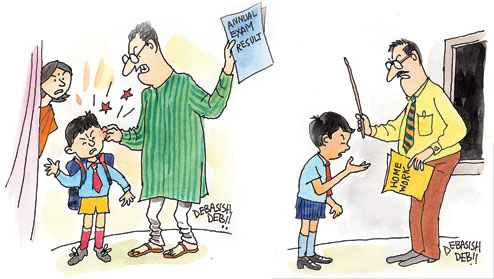
Let’s face it: even the most seasoned teachers have encountered those moments—the moments where classroom management feels like a tightrope walk over a volcano. We’ve all had that student who seems determined to test our patience, push our buttons, and generally turn our carefully crafted lesson plans into a chaotic free-for-all. But fear not, fellow educators! This article is your guide to navigating the turbulent waters of classroom management, armed with strategies, insights, and a dash of humor to help you stay afloat (and maybe even enjoy the ride).
Understanding the Why Behind the Why

Before we dive into specific tactics, let’s take a step back and try to understand the root causes of disruptive behavior. While it can be easy to label a student as “naughty” or “troublemaker,” it’s crucial to remember that every child comes with their own unique set of experiences, challenges, and motivations. Here’s a framework to consider:
- Attention Seeking: Sometimes, disruptive behavior is simply a desperate cry for attention. It’s important to recognize that students who act out might be feeling invisible, misunderstood, or neglected.
- Lack of Engagement: When students aren’t invested in the learning process, they might lose focus and start engaging in distracting behavior. This could be due to a lack of understanding, difficulty keeping up, or simply finding the material uninteresting.
- Emotional Regulation: Some students struggle with managing their emotions effectively, especially when feeling frustrated, anxious, or overwhelmed. These struggles can manifest in impulsive behavior and outbursts.
- Underlying Issues: Behind disruptive behavior, there might be more complex issues at play. These could include home problems, learning disabilities, or mental health challenges.
The Art of Prevention: Setting the Stage for Success
Just like a good chef meticulously prepares their ingredients, effective classroom management requires a foundation of proactive strategies. This means creating a positive and supportive learning environment where students feel safe, valued, and motivated to learn.
- Establishing Clear Expectations: From day one, communicate your expectations for behavior in a clear, concise, and consistent manner. Don’t be afraid to post rules and consequences prominently in your classroom.
- Building Positive Relationships: Strong teacher-student relationships are the foundation of effective classroom management. Make an effort to learn about your students’ interests, get to know them on a personal level, and show genuine care for their well-being.
- Engaging Lesson Plans: Let’s face it, a captivating lesson can work wonders! Keep your curriculum engaging, interactive, and relevant to students’ lives. Explore different teaching methods, incorporate technology, and create opportunities for students to share their perspectives and experiences.
- Encouraging Positive Behavior: Recognize and celebrate students’ efforts, achievements, and good behavior. Positive reinforcement is far more effective than punishment and fosters a positive classroom climate.
The Toolbox of a Teacher: Strategies for Managing Misbehavior
Once you’ve laid the groundwork, you’ll need a toolkit of strategies to deal with those inevitable moments when students stray from the path.
- Non-Verbal Cues: A simple gesture, a raised eyebrow, or a brief touch on the shoulder can sometimes be enough to redirect a student’s behavior. These nonverbal cues are especially effective for subtle disruptions.
- Proximity Control: Moving closer to a student who is becoming disruptive can be a powerful deterrent. This signals that you are aware of their behavior and it’s not going unnoticed.
- Redirecting Behavior: Rather than focusing on the negative, try to redirect a student’s attention towards a more productive activity. For example, if a student is talking during class, you could ask them to rephrase a concept from the lesson or contribute to a class discussion.
- Private Conversations: For more serious situations, pull the student aside for a brief, private conversation. This provides an opportunity to address the issue directly, without causing embarrassment or escalating the situation.
Navigating the Gray Areas: Dealing with Difficult Students
There are times when the usual strategies don’t seem to work, and you find yourself facing a student whose behavior is consistently challenging. Here are some additional tips for navigating these tricky situations:
- Collaboration with Parents: If you’re struggling to manage a student’s behavior, don’t hesitate to reach out to their parents or guardians. Working together, you can create a consistent and supportive approach.
- Seeking Professional Support: In some cases, a student’s behavior might require more specialized support. Don’t be afraid to consult with school counselors, psychologists, or other specialists who can provide additional guidance and resources.
- The Power of Positive Discipline: Instead of focusing on punishment, try to implement positive discipline techniques that focus on teaching students how to make better choices. This might involve setting clear boundaries, providing opportunities for restitution, and helping students develop problem-solving skills.
- Building a Support System: Remember, you don’t have to go through this alone! Lean on your colleagues, mentors, and professional organizations for support and guidance. Sharing your experiences and learning from others can make all the difference.
A Teacher’s Journey: My Personal Reflections
I’ve been teaching for over a decade now, and let me tell you—it’s been a rollercoaster ride! I’ve encountered students who challenged my patience, made me question my teaching methods, and sometimes even left me feeling utterly defeated. But through it all, I’ve learned some valuable lessons:
- Every student is different: What works for one student might not work for another. Be flexible, adaptable, and willing to experiment until you find the right approach.
- Patience is key: Classroom management takes time, effort, and consistency. Don’t expect immediate results, and be prepared to adjust your strategies as needed.
- Don’t give up: Even when you feel overwhelmed, remember that you’re making a difference in your students’ lives. Focus on the positive, celebrate the small victories, and never lose sight of your passion for teaching.
The Role of Technology: Tools for Classroom Management
In today’s digital age, technology can be a powerful ally in classroom management. Here are some tools that can help streamline your efforts and create a more engaging learning environment:
- Google Classroom: This free platform allows you to create assignments, post announcements, and collect submissions electronically. It can also be used to facilitate group projects and encourage collaboration. (Website: https://classroom.google.com/)
- ClassDojo: ClassDojo is a classroom management tool that helps teachers track student behavior and send positive messages to parents. It also provides insights into students’ strengths and areas for growth. (Website: https://www.classdojo.com/)
- Edpuzzle: Edpuzzle allows you to embed interactive questions and polls into videos, making them more engaging and interactive for students. It’s also a great tool for formative assessments. (Website: https://edpuzzle.com/)
- Quizlet: Quizlet is a popular tool for creating and using flashcards, quizzes, and other study aids. It’s a great way to review material, practice vocabulary, and engage students in active learning. (Website: https://quizlet.com/)
The Importance of Reflection: Continual Growth and Improvement
As educators, it’s crucial to engage in continuous reflection and improvement. Ask yourself these questions:
- What went well this week? Identify the strategies that were most effective in managing your classroom.
- What could I do better? Reflect on the challenges you faced and brainstorm strategies for addressing them.
- How can I incorporate new technologies? Explore ways to use technology to enhance your teaching and classroom management strategies.
- What can I learn from other educators? Connect with colleagues, participate in workshops, and read articles on classroom management to stay current with best practices.
The Ripple Effect: Making a Lasting Impact
Effective classroom management isn’t just about keeping students in line; it’s about creating a learning environment where students feel safe, supported, and empowered to reach their full potential. When we invest time, energy, and compassion in our students, we’re not just shaping their behavior; we’re shaping their lives. Remember, your actions as a teacher can have a ripple effect that extends far beyond the walls of your classroom.
Final Thoughts: The Journey Continues
Managing a classroom can be demanding, but it’s also incredibly rewarding. As you navigate the ups and downs of this journey, keep in mind that you’re not alone. Lean on your colleagues, seek professional support when needed, and never lose sight of your passion for teaching. Together, we can create classrooms where every student feels valued, supported, and inspired to learn.
References:

