

How To Deal With Disrespectful Students: A Teacher’s Guide to Restoring Order in the Classroom

We’ve all been there. You’re meticulously explaining a concept, your voice filled with passion and enthusiasm, and then… BAM! A disrespectful student throws a wrench into your carefully crafted lesson. It’s a gut punch, a deflator of morale, and frankly, a bit of a bummer. Let’s be honest, dealing with disrespectful students can be a real challenge, and we’ve all had our share of “Oh, brother!” moments.
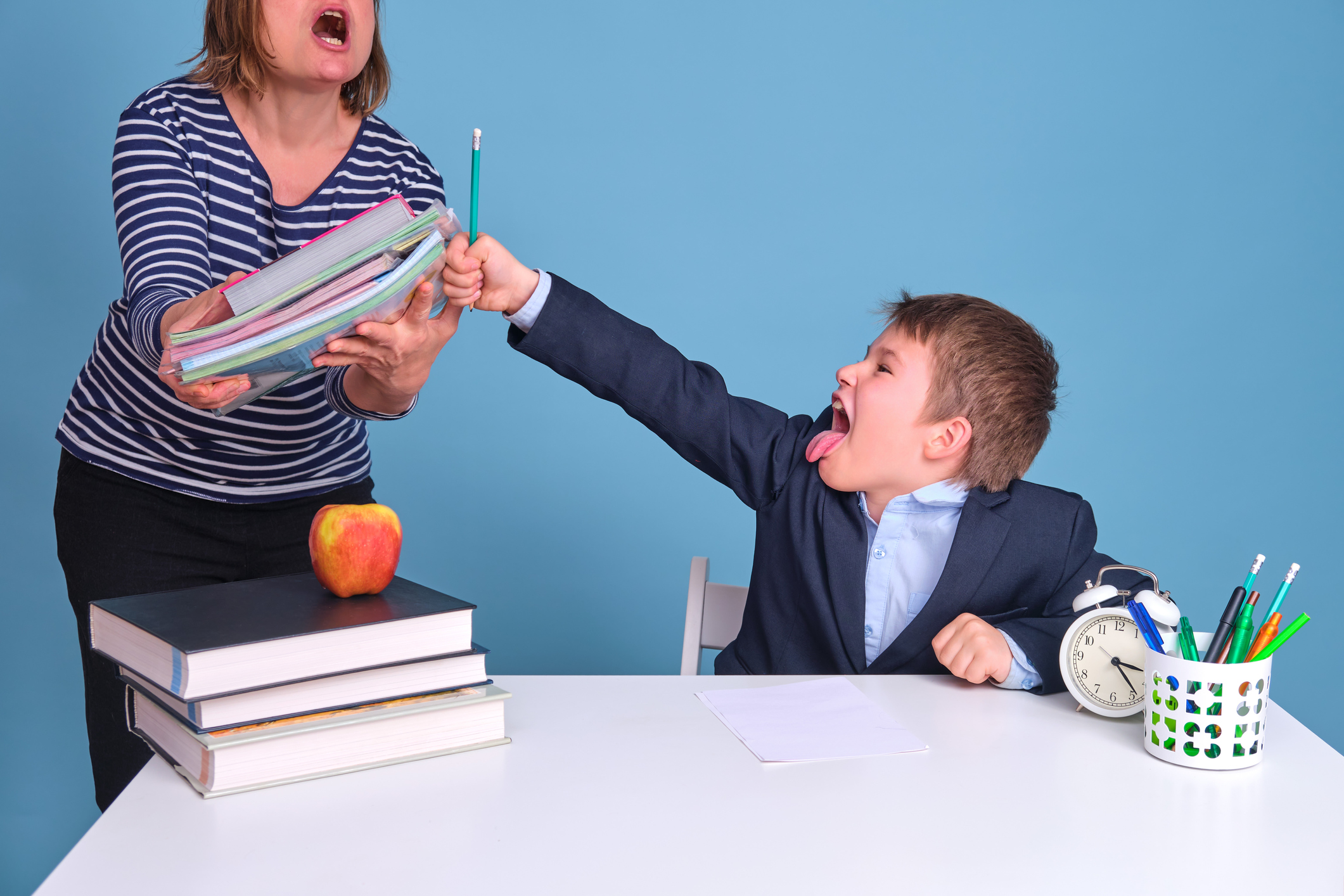
This article will be your trusty guide, offering a variety of strategies to address disrespectful behavior. We’ll explore the why behind this behavior, unpack the different types of disrespect, and offer practical solutions to help you maintain a positive and productive learning environment.
Understanding the Roots of Disrespectful Behavior:
Think of a classroom as a delicate ecosystem. Each student brings their own unique experiences, personalities, and perspectives, forming a complex social dynamic. Disrespectful behavior can stem from a multitude of factors, ranging from personal struggles to environmental influences:
- Lack of Respect for Authority: This can manifest as a general disregard for rules, a tendency to challenge instructions, or an unwillingness to cooperate with the teacher or classmates. It’s important to acknowledge that this is often not a personal attack on you but a reflection of their own experiences and beliefs.
- Attention-Seeking: Some students engage in disruptive behavior to get noticed, even if it’s negative attention. They might be craving validation or struggling to find their place in the classroom community.
- Lack of Understanding or Engagement: Boredom, frustration, or a lack of understanding can lead to disruptive behavior. If a student feels lost or disengaged in the learning process, they might lash out in frustration or act out to avoid facing their difficulties.
- Social Dynamics and Peer Pressure: The influence of peers can be a powerful force, particularly in adolescence. If a student feels pressured to conform to a particular group’s behavior, they might engage in disrespectful behavior to fit in or gain acceptance.
- Home Environment: A challenging home environment, such as family conflicts, financial struggles, or emotional instability, can contribute to a student’s behavior in the classroom. They might be carrying heavy burdens and struggling to cope with their emotions.
- Learning Difficulties or Disabilities: Students with learning disabilities or difficulties might struggle to keep up with the curriculum, leading to frustration and behavioral challenges. They may feel overwhelmed or misunderstood, leading to disrespectful behavior as a coping mechanism.
Identifying Different Types of Disrespect:
Disrespectful behavior can manifest in many forms, from subtle innuendos to blatant defiance. It’s essential to be able to recognize different types of disrespect to respond appropriately. Here are some common manifestations:
- Verbal Disrespect: This includes rude language, sarcasm, insults, and interrupting the teacher or classmates during discussions.
- Nonverbal Disrespect: This can include rolling eyes, sighing loudly, ignoring instructions, or making inappropriate gestures.
- Physical Disrespect: This involves physical acts of aggression, such as hitting, pushing, or damaging property.
- Cyberbullying: This form of disrespect occurs online, using technology to harass, humiliate, or threaten others.
Developing a Plan of Action: Strategies for Addressing Disrespectful Behavior
Now, let’s get practical. Once you identify disrespectful behavior, it’s time to take action. Here are some strategies that have worked for me, and countless other educators:
1. Prevention is Key: Setting Clear Expectations and Building a Positive Classroom Culture
- Establish Firm but Fair Expectations: Right from the start, set clear and consistent expectations for behavior in the classroom. This includes everything from how to participate in discussions to how to use technology responsibly.
- Communicate Expectations Clearly: Make sure your expectations are clearly communicated to students and their parents. This could be done through a classroom agreement, parent-teacher meetings, or simply by having open and honest conversations.
- Positive Reinforcement: Celebrate positive behavior with praise, rewards, and opportunities for leadership. This helps to create a positive classroom environment where respect is valued.
2. Direct and Specific Consequences:
- Be Consistent: Consistency is key. Every time a student engages in disrespectful behavior, they should face the same consequence. This helps students understand the link between their actions and the results.
- Choose Consequences Wisely: Consequences should be meaningful and age-appropriate. I’ve found that loss of privileges (like recess time) or extra responsibilities (like cleaning up the classroom) are often effective in promoting respect.
- Don’t Get Personal: Avoid shaming or blaming the student. Focus on the behavior, not the person.
- Document: Keep a record of incidents of disrespect and the consequences applied. This helps you track patterns and ensure fairness in your approach.
3. Effective Communication:
- Active Listening: When addressing disrespectful behavior, take the time to listen to the student’s perspective. They might have a valid reason for their actions, or it could be a misunderstanding.
- Use “I” Statements: When discussing the situation, use “I” statements to convey your feelings without blaming the student. For example, “I feel frustrated when you interrupt me during class” is more effective than “You’re being disrespectful by interrupting me.”
- Stay Calm: It’s easy to get flustered when dealing with disrespectful behavior. However, staying calm and collected is crucial.
- Avoid Public Humiliation: Don’t call out students in front of their classmates. This can worsen the situation and damage their self-esteem.
4. Seek Collaboration:
- Parent Involvement: Communicate with parents about the student’s behavior and collaborate on strategies for improvement.
- Teamwork with School Counselors: If the behavior is persistent, seek guidance from school counselors or psychologists. They might be able to provide additional support for the student.
Real-Life Anecdotes and Lessons Learned:
Throughout my years in education, I’ve encountered a diverse range of disrespectful behaviors, each with its own unique context. Let me share a few stories that illustrate the importance of choosing the right approach:
The Case of the “Invisible Student”:
- Early in my career, I had a student who was quiet and often ignored my instructions. I assumed he was simply shy or disengaged. One day, I noticed he was drawing intricate diagrams during my lesson. I asked him about his work, and he explained he had a passion for art but felt he couldn’t share it with the class because he was afraid of judgment.
- That moment changed my perspective. I realized I’d misjudged him and hadn’t created a safe space for him to express himself. I encouraged him to share his work, provided him with opportunities to showcase his talent, and worked with him to find ways he could participate in class more actively.
- Lesson Learned: Sometimes, disrespectful behavior is a cry for attention or a way for students to cope with feelings of inadequacy. It’s important to look beyond the behavior and try to understand the underlying reasons.
The Disrespectful Duo:
- I had two students who were constantly bickering and interrupting each other. I tried everything: separating them, giving them extra responsibilities, and even talking to their parents. Nothing seemed to work.
- Finally, I decided to have a heart-to-heart conversation with them. I acknowledged their frustrations and told them that I wanted to help them work together. I suggested they brainstorm solutions to improve their classroom dynamic.
- They came up with a plan that included taking turns speaking, respecting each other’s opinions, and working together on projects. It wasn’t a perfect solution, but it was a start.
- Lesson Learned: Collaboration and finding common ground can be incredibly effective in addressing disrespectful behavior.
The Case of the “Class Clown”:
- I had a student who was constantly making jokes and disrupting class. It was frustrating, but I realized his behavior was often a way for him to cope with his anxiety. He was trying to lighten the mood and avoid feeling like he didn’t fit in.
- I decided to address his need for attention in a positive way. I gave him opportunities to showcase his humor in appropriate ways, like leading a joke session during class or helping me create funny skits for presentations.
- It wasn’t always easy, but over time, his behavior improved significantly. He felt more confident and less anxious in the classroom, and he even started to show interest in the lessons.
- Lesson Learned: Understanding the motivations behind a student’s behavior is crucial in finding effective solutions. Sometimes, providing outlets for their interests can be a powerful tool for promoting respect and engagement.
The Power of Positive Intervention: Building Stronger Relationships and Fostering Respect
Remember, we are not just educators, we are mentors, guides, and role models. Our classrooms are spaces where we can cultivate empathy, understanding, and a sense of community. Our actions can have a profound impact on a student’s life, shaping their views on authority, their self-esteem, and their overall well-being.
- Establish a Strong Rapport: Take the time to get to know your students. Find out about their interests, hobbies, and challenges. This can help you build a rapport that fosters respect and trust.
- Be a Role Model: Show your students that you respect them, even when they are struggling. Be patient, understanding, and always strive to treat them with dignity.
- Empower Students: Give students a voice and opportunities to lead. Encourage them to share their ideas, opinions, and perspectives.
- Create a Welcoming Classroom Environment: Make your classroom a place where students feel safe, supported, and valued.
Remember, You’re Not Alone:
If you’re struggling to deal with disrespectful students, remember that you are not alone. Seek support from your colleagues, administrators, and guidance counselors.
- Connect with other teachers: There are online communities and forums where educators can share best practices and provide support to one another.
- Attend workshops and conferences: These events offer valuable insights from experienced professionals and provide opportunities to learn new strategies for managing classroom behavior.
- Seek professional help: If you’re feeling overwhelmed or need additional support, don’t hesitate to seek help from a therapist or counselor.
Dealing with disrespectful students can be a tough challenge, but it’s not insurmountable. By understanding the reasons behind the behavior, implementing effective strategies, and building strong relationships, you can create a classroom environment where respect and learning thrive.
Final Thoughts:
I firmly believe that every student has the potential to succeed, but it takes patience, understanding, and a commitment to building positive relationships. The journey may have its bumps and detours, but ultimately, the rewards of seeing students grow, learn, and develop into responsible individuals are immeasurable.
I encourage you to be mindful of the “why” behind disrespectful behavior, to embrace a collaborative approach, and most importantly, to never give up on your students. Remember, every child deserves the opportunity to learn and grow in a supportive and respectful environment.
Remember, as educators, we’re not just shaping young minds, we’re shaping the future.

