

How To Deal With Difficult College Students: A Teacher’s Guide to Mastering the Classroom
Introduction

Ah, college students. A motley crew, they are. Some come in eager to learn, their minds brimming with curiosity and enthusiasm. Others, well, they’re a bit more… challenging. I’ve been teaching college for almost two decades, and trust me, I’ve seen it all. From the chronically late student who seems to think class starts at 10:00 AM when it’s actually 9:00 AM, to the student who always has a “valid” excuse for not turning in their work, to the student who regularly engages in conversations with their phone instead of the professor.

You’ve probably faced these challenges, too. Teaching is tough, especially when you’re trying to navigate the unpredictable terrain of young minds. So, let’s dive into some strategies for dealing with those challenging students, turning them into the engaged learners they can be.
Understanding the Why Behind the “Why?”
Before we jump into specific strategies, it’s crucial to understand why students act the way they do. It’s not always about laziness or disrespect. There could be a deeper reason behind their behavior.
For instance, maybe a student is struggling with a concept and is hesitant to ask for help because they’re worried about appearing “dumb.” Or maybe they’re dealing with personal issues that are affecting their academic performance. Perhaps they just have a different learning style that clashes with your teaching methods.
The key here is to resist the urge to judge. Instead, try to empathize with their situation. Ask yourself, “What could be contributing to their behavior?” This understanding is the first step towards fostering a positive and productive learning environment for everyone.
Building a Strong Foundation: Setting Clear Expectations
A well-defined set of expectations is the bedrock of a healthy classroom environment. Students need to know what’s expected of them, both academically and behaviorally.
Think of it like a contract. You’re setting the terms of the agreement, outlining the boundaries of acceptable behavior and outlining the consequences of not meeting those expectations. This isn’t about being authoritarian; it’s about setting the stage for mutual respect and understanding.
Here are some key points to consider when establishing expectations:
- Clearly define your syllabus: Don’t just hand it out and assume they’ll read it. Go over it in detail, emphasizing key points like attendance policies, assignment deadlines, and acceptable behavior.
- Communicate your expectations regularly: Don’t just rely on the syllabus. Reinforce your expectations verbally, especially at the beginning of the semester or whenever there’s a change in class dynamics.
- Be consistent: If you enforce a rule one day and then ignore it the next, students will quickly lose respect for you. Consistency is key to establishing a predictable and stable learning environment.
An Anecdote: The Latecomer Saga
I remember one student, let’s call him “Mark” (no, not me!), who was notorious for being late. He’d saunter in with a casual “Sorry I’m late, Professor Kinosita,” each time. At first, I tried to be understanding, thinking maybe he had a good reason. But it happened every single time.
Finally, I had to have a conversation with him. I said, “Mark, I understand that sometimes things happen. But this is becoming a pattern, and it’s disruptive to the class. We all need to be respectful of each other’s time.”
Mark was surprised. He hadn’t realized how his lateness was affecting others. From then on, he made an effort to be on time. It wasn’t a magic cure-all, but it made a difference.
Addressing Disruptive Behavior: The Art of Intervention
We all know that challenging students can be disruptive, creating a climate of disrespect and hindering the learning process for everyone. It’s important to address these behaviors early and effectively.
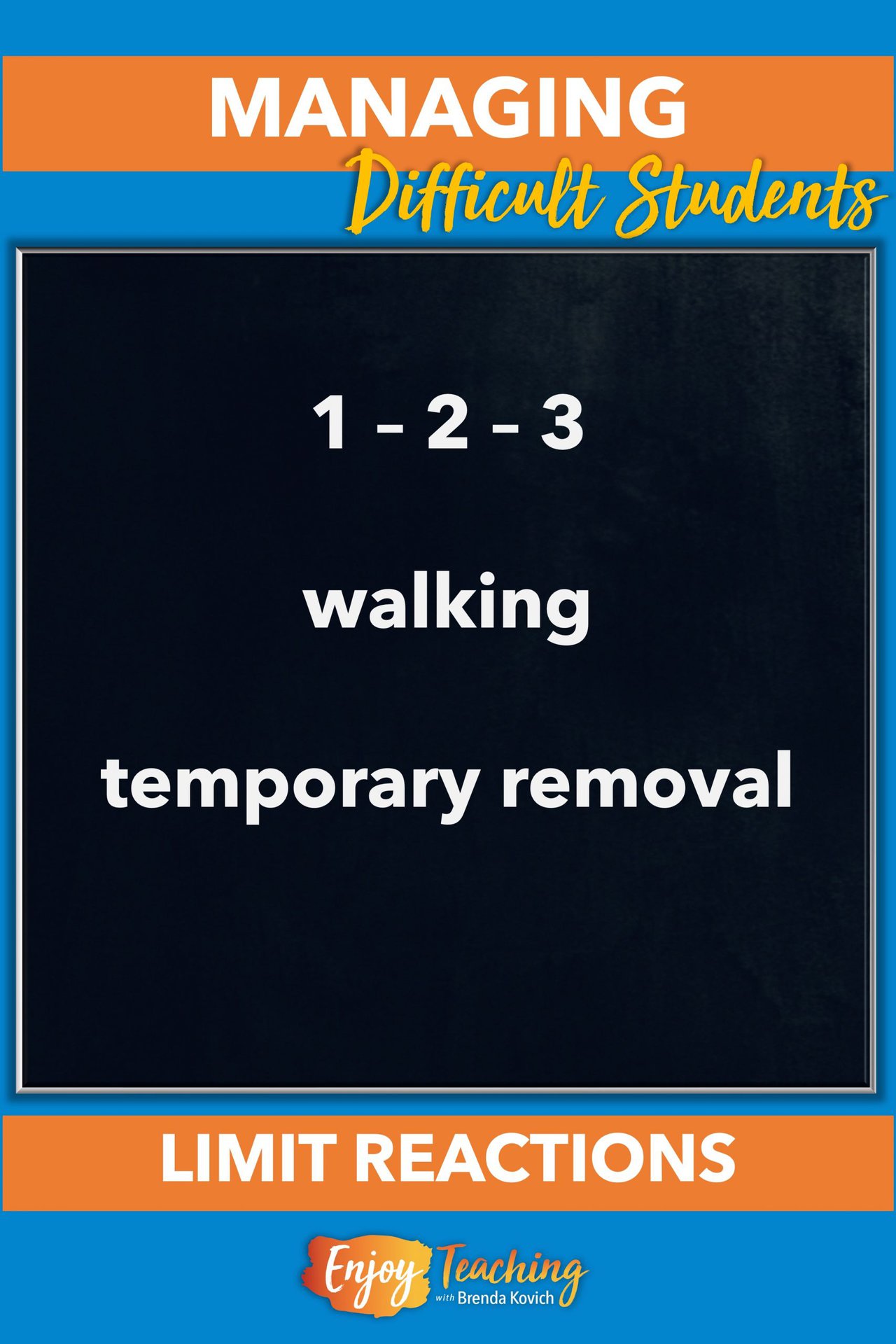
Here’s a three-step approach to handling disruptive behavior:
- Verbal Warning: A simple “Excuse me, could you please put your phone away?” or “Can we focus on the lecture for now?” can often be enough to redirect a student’s behavior.
- Private Meeting: If the behavior continues, it’s time to have a private conversation with the student. Express your concerns in a calm and respectful manner. Explain how their behavior is affecting the learning environment.
- Escalation: If the behavior persists despite these steps, you may need to involve a higher authority, such as the department chair or dean.
Key Points to Remember:
- Remain Calm and Professional: It’s easy to get frustrated, but a calm and professional demeanor goes a long way in defusing a situation.
- Avoid Public Humiliation: Addressing disruptive behavior in front of the class can be embarrassing for the student and counterproductive in the long run. Always address such issues in a private setting.
- Focus on the Behavior, Not the Person: “John, could you please refrain from texting during class?” is better than “John, you’re always on your phone and it’s distracting everyone.”
The Power of Positive Reinforcement
It’s easy to get caught up in the negative aspects of teaching, but don’t forget the power of positivity. Students respond well to praise and encouragement.
Here are some ways to use positive reinforcement:
- Acknowledge good behavior: A simple “Thank you for sharing your thoughts, John” or “I appreciate you being prepared for class today” can go a long way in reinforcing desired behavior.
- Offer specific feedback: Instead of just saying “Good job,” offer specific praise, such as “I really like how you explained that concept, Emily. Your analogy was really helpful.”
- Recognize effort: Even if a student doesn’t get the right answer, acknowledge their effort. “You’re clearly putting in a lot of effort, Michael. Keep it up!”
Creating a Supportive Learning Environment: Beyond the Classroom
The classroom isn’t the only place where you can connect with your students.
Here are some tips for building a supportive learning environment outside of class:
- Hold office hours: Make yourself available to students outside of class time. Offer a welcoming space for them to ask questions, seek guidance, or simply chat.
- Respond to emails promptly: Students rely on email for communication. Respond to their messages promptly and professionally.
- Get to know your students: Take the time to learn their names and interests. Ask questions about their lives, their aspirations, and their experiences.
Navigating Differences: Learning Styles and Cultural Considerations
Remember, students come from diverse backgrounds with different learning styles and cultural norms. What works for one student might not work for another.
Here are some tips for accommodating diversity:
- Offer various learning materials: Provide a mix of reading assignments, lectures, videos, and interactive activities.
- Vary your teaching methods: Don’t rely on the same lecture format every time. Incorporate group activities, debates, problem-solving exercises, and technology-based tools.
- Be aware of cultural differences: Respect students’ cultural norms and beliefs. For example, in some cultures, direct eye contact during conversations might be considered disrespectful.
Building a Culture of Collaboration: The Power of Group Projects
Group projects can be a great way to foster collaboration and promote active learning. However, they also have the potential for conflict.
Here are some tips for making group projects work:
- Clearly define roles and responsibilities: Ensure each student has a specific role to play, and that these roles are clearly communicated.
- Set ground rules for collaboration: Establish expectations for communication, deadlines, and participation.
- Provide regular feedback: Monitor group progress and provide constructive feedback along the way.
Embracing the Unexpected: Dealing with Difficult Situations
Even with the best intentions, difficult situations are bound to arise. Stay calm, be prepared, and remember that you are not alone.
Here are some tips for handling challenging situations:
- Document everything: Keep a record of incidents, including dates, times, and the specific behavior that occurred. This documentation will be valuable if you need to escalate the issue.
- Seek support from colleagues: Talk to other teachers about your experiences. They can offer advice, share their own stories, and provide a sense of community.
- Don’t be afraid to ask for help: If you’re feeling overwhelmed, don’t hesitate to reach out to your department chair, dean, or a counselor for guidance.
The Final Word: Building a Positive Classroom Community
Teaching college students is a rewarding but challenging experience. It’s a journey of continuous learning, both for you and for your students. Remember that a positive classroom community is built on mutual respect, clear expectations, and a commitment to understanding.
By fostering an environment where students feel valued, respected, and empowered to learn, you’ll be well on your way to creating a classroom where every student can thrive.

