

How To Control Your Students: A Teacher’s Guide to Classroom Management

Being a teacher is a rollercoaster ride. One minute you’re basking in the glow of a student’s “Aha!” moment, and the next, you’re wrestling with a classroom full of fidgeting, chattering, and occasionally, even defiant, young minds. But don’t despair! Mastering classroom management is like learning a new musical instrument – it takes practice, patience, and a bit of creativity. Think of it as a journey, not a destination.
Understanding the Roots of Classroom Misbehavior
Before you start wielding your metaphorical “control stick” like a Jedi master, it’s important to understand why students misbehave in the first place. Sure, sometimes it’s just plain ol’ boredom or a thirst for attention. But often, there are deeper reasons lurking beneath the surface.
Let’s be real, sometimes kids are just trying to cope with the pressure of being a student. They might be struggling with their coursework, feeling overwhelmed by their workload, or battling personal challenges outside of the classroom. Remember, every student is an individual with their own unique set of experiences and motivations.
One of my favorite techniques for understanding my students’ needs is the trusty “student-teacher conference.” It’s a simple yet powerful tool – a one-on-one conversation with a student about their struggles, goals, and aspirations. Sometimes, all it takes is a listening ear and a genuine desire to understand to unlock their potential.
Building a Foundation of Respect and Trust
The foundation of effective classroom management lies in cultivating a strong teacher-student relationship based on mutual respect and trust. Think of it as creating a safe and supportive environment where students feel valued and empowered to learn. This isn’t about being their friend, but rather fostering a sense of partnership where you’re guiding them toward their best selves.
Think of it this way, if you want your students to be respectful, you need to show them respect, too. This means acknowledging their contributions, listening to their perspectives, and treating them with the same level of courtesy that you expect from them. Trust is built over time through consistent actions.
One of my favorite ways to build trust is through genuine praise. Don’t just dish out generic compliments like, “Good job!” Instead, be specific and meaningful. For instance, “I really liked how you used evidence from the text to support your argument.” This type of feedback shows students that you’re paying attention and value their efforts.
Setting Clear Expectations and Boundaries
Once you’ve established a foundation of respect and trust, it’s time to set clear expectations for your classroom. This isn’t about being a dictator, but rather creating a shared understanding of what’s expected of everyone in the learning space. Think of it as establishing a classroom constitution, a blueprint for how you all want to learn and grow together.
Start by outlining your classroom rules and procedures in a straightforward manner. Make sure they’re concise, easy to understand, and posted in a visible location. This makes it easier for students to understand what’s expected of them and helps to prevent misunderstandings. Consistency is key! If you’re going to enforce a rule, enforce it every time.
When it comes to behavior, a proactive approach is always best. Don’t wait for chaos to erupt. Clearly communicate your expectations upfront, then reinforce those expectations throughout the day. For example, if you expect students to raise their hands before speaking, gently remind them of the rule when they forget.
Developing Positive Reinforcement Strategies
Positive reinforcement is a powerful tool for shaping student behavior. Instead of focusing on punishment, aim to reward and encourage positive actions. This creates a more positive learning environment and motivates students to strive for excellence. Think of it as building a classroom community where everyone is rooting for each other to succeed.
There are countless ways to implement positive reinforcement in your classroom. For example, you can use verbal praise, stickers, small rewards, or even classroom privileges. The key is to choose rewards that are meaningful and motivating to your students.
Don’t underestimate the power of simple encouragement. A genuine smile, a warm pat on the back, or a heartfelt, “You’re doing a great job!” can go a long way in boosting a student’s confidence. Remember, every student deserves to feel valued and celebrated for their achievements, no matter how small they may seem.
Encouraging Active Engagement and Participation
One of the best ways to prevent misbehavior is to keep your students actively engaged and participating. Think of it as building a classroom community where everyone is a part of the learning process, not just passive spectators. Active engagement not only helps students learn better, but it also keeps them focused and invested in their education.
Use a variety of teaching methods, including hands-on activities, group projects, interactive games, and technology integration. Keep the energy levels high! This doesn’t mean you need to turn your classroom into a circus, but it does mean finding ways to make learning fun and engaging.
Encourage students to ask questions, share their ideas, and collaborate with their peers. Remember, learning is a social process, and collaboration is a key ingredient for success.
Managing Disruptive Behavior Effectively
Despite your best efforts, there will be times when you encounter disruptive behavior in your classroom. Don’t panic! Remember, effective classroom management is about addressing problems proactively, not resorting to knee-jerk reactions. Think of it as being a calm in the storm, setting a positive tone for your classroom.
When a student is misbehaving, the goal is to address the issue quickly and effectively, while maintaining a calm and respectful demeanor. Don’t let your emotions get the best of you. Avoid lecturing or public humiliation. Focus on redirecting the student’s behavior and helping them get back on track.
Sometimes a simple, “Please stop that and focus on your work,” or “Remember our classroom rule about talking quietly,” is enough to get the student back on track. If a student is struggling to manage their behavior, try to understand the underlying cause. Are they bored? Are they frustrated? Are they feeling overwhelmed?
Remember, each student is different, and what works for one might not work for another. It’s important to experiment and find strategies that are effective for your individual students.
Building a Strong Classroom Community
Think of your classroom as a community, a place where everyone feels valued, respected, and empowered to learn and grow. Building a strong classroom community is an ongoing process that requires effort, patience, and a genuine commitment to creating a positive learning environment.
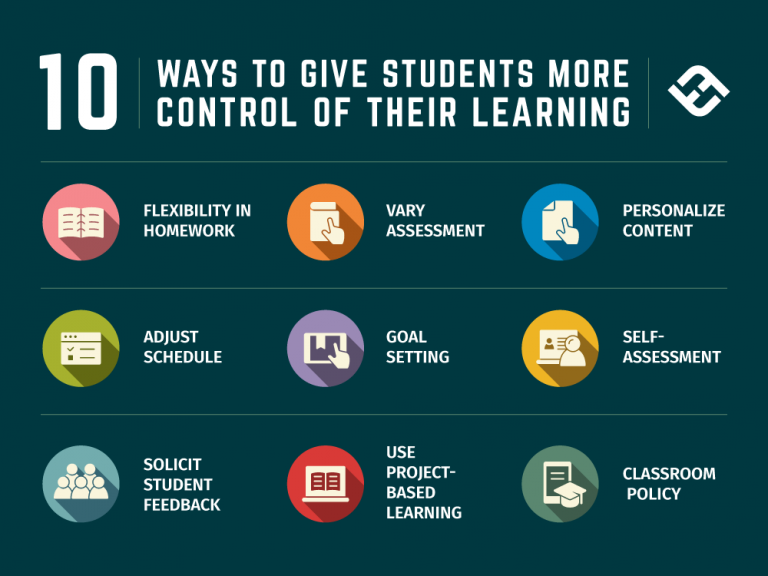
One of the key components of a strong classroom community is a shared sense of purpose. Get your students involved in the decision-making process. Ask for their input on classroom rules, procedures, and activities. This shows that you value their opinions and empowers them to take ownership of their learning experience.
Don’t underestimate the power of fun and celebrations. Make time for classroom celebrations, whether it’s celebrating a student’s birthday, recognizing academic achievements, or just having a fun Friday afternoon activity.
Seeking Support and Collaboration
Don’t be afraid to ask for help! As teachers, we all need support from time to time. Reach out to your colleagues, school administrators, or even other teachers in your professional network. They can offer valuable advice, support, and encouragement.
There are also numerous resources available online and in your community. Check out online forums, professional development workshops, and books on classroom management. Remember, you’re not alone in this journey.
Embracing the Journey of Classroom Management
Mastering classroom management is a journey, not a destination. There will be good days and bad days, moments of triumph and moments of frustration. The key is to learn from your experiences, adapt your strategies, and never give up on creating a positive and productive learning environment for your students.
Remember, you are not just a teacher, but a guide, a mentor, and a role model for your students. Your job is to help them unlock their potential and become the best versions of themselves.
Beyond the Basics: Advanced Techniques for Classroom Management
Now that we’ve covered the fundamentals, let’s delve into some advanced strategies to elevate your classroom management game. These techniques can help you handle more complex situations, address specific student needs, and create an even more effective and engaging learning environment.
The Power of Prevention: Proactive Strategies for Avoiding Problems
The best way to manage disruptive behavior is to prevent it from happening in the first place. Think of it as building a strong fence around your classroom, creating a safe and secure space for learning.
Building a Positive Classroom Culture
One of the most powerful preventive strategies is to build a positive classroom culture. This means creating an environment where students feel valued, respected, and empowered to learn. Think of it as building a community where everyone is rooting for each other to succeed.
- Emphasize student voice: Give students opportunities to share their opinions, ideas, and concerns. This helps them feel heard and valued.
- Encourage collaboration: Design learning activities that promote teamwork and collaboration. This fosters a sense of community and shared responsibility.
- Celebrate achievements: Make time for classroom celebrations, whether it’s recognizing academic achievements or simply celebrating the end of a successful week. This reinforces a sense of accomplishment and belonging.
- Promote kindness and respect: Establish clear expectations for how students are to treat each other. Model respectful behavior and encourage students to be kind and supportive of one another.
- Create a welcoming atmosphere: Make your classroom a space where students feel comfortable and safe to learn. Decorate your classroom in a way that reflects your students’ interests and personalities.
Creating Engaging Lessons and Activities
Engaging students is key to preventing boredom and restlessness. Think of it as keeping their brains stimulated and their minds active.
- Variety is key: Don’t rely on the same teaching methods day after day. Mix things up with hands-on activities, group projects, technology integration, and interactive games.
- Connect learning to real life: Help students see how their learning is relevant to their lives outside of the classroom. Use real-world examples and connections to make the material more engaging.
- Use technology strategically: Technology can be a valuable tool for engaging students. Use apps, websites, and online games to bring learning to life.
- Include a variety of learning styles: Recognize that students learn in different ways. Design lessons that incorporate auditory, visual, kinesthetic, and tactile learning styles.
Setting Clear Expectations and Boundaries
Clear expectations and boundaries are the cornerstones of effective classroom management. Think of it as having a roadmap for navigating your classroom journey.
- Communicate expectations clearly: Ensure that students understand your rules, procedures, and expectations for behavior.
- Be consistent: Enforce rules fairly and consistently. This helps students learn what is acceptable and unacceptable behavior.
- Use positive reinforcement: Reward students for positive behavior and effort. This helps to reinforce desired behaviors and create a positive learning environment.
Addressing Challenges with Specific Student Needs
Every student is unique, and some may require additional support to manage their behavior. Think of it as tailoring your approach to meet individual needs.
Students with Attention Deficit Hyperactivity Disorder (ADHD)
Students with ADHD may have difficulty focusing, staying on task, and controlling their impulsivity.
- Provide structure and routine: Create a predictable classroom environment with clear routines and expectations.
- Break down tasks into smaller chunks: Make large assignments more manageable by breaking them down into smaller steps.
- Use visual aids and organizers: Provide visual supports, such as charts, diagrams, and organizers, to help students stay on track.
- Offer movement breaks: Provide opportunities for students to move around and release energy, such as short breaks for physical activity or fidget toys.
Students with Anxiety or Emotional Issues
Students with anxiety or emotional issues may be more prone to disruptive behavior.
- Create a safe and supportive environment: Promote a classroom culture of kindness, empathy, and respect.
- Provide opportunities for self-regulation: Teach students relaxation techniques, such as deep breathing or mindfulness exercises.
- Offer choices and flexibility: Give students some control over their learning environment.
- Be patient and understanding: Recognize that students with anxiety or emotional issues may need more time and support.
Students with Learning Disabilities
Students with learning disabilities may struggle with academic tasks, which can lead to frustration and disruptive behavior.
- Provide accommodations and modifications: Make sure students have access to the resources and support they need to succeed.
- Break down tasks into smaller steps: Provide clear instructions and break down assignments into smaller, more manageable chunks.
- Use a variety of teaching methods: Appeal to different learning styles to engage all students.
Empowering Students Through Self-Discipline and Responsibility
One of the most effective ways to manage your classroom is to empower students to take responsibility for their own behavior. Think of it as fostering a sense of ownership and accountability.
Teaching Self-Regulation Strategies
Teach students self-regulation strategies to help them manage their emotions, impulses, and behavior.
- Deep breathing exercises: Help students learn to calm down and relax by practicing deep breathing techniques.
- Mindfulness meditation: Introduce mindfulness exercises to help students focus on the present moment and reduce stress.
- Positive self-talk: Encourage students to replace negative thoughts with positive affirmations.
- Problem-solving skills: Help students develop strategies for solving problems and resolving conflicts constructively.
Fostering a Sense of Responsibility
Give students opportunities to take responsibility for their learning and behavior.
- Classroom jobs: Assign students classroom jobs, such as collecting homework, sharpening pencils, or leading the morning announcements.
- Student-led discussions: Encourage students to lead discussions and share their ideas with the class.
- Peer tutoring: Pair students together so they can help each other learn and practice skills.
- Reflection activities: Have students reflect on their own behavior and identify areas where they can improve.
Leveraging Technology to Enhance Classroom Management
Technology can be a powerful tool for enhancing classroom management. Think of it as having a digital toolkit to support your teaching efforts.
Online Learning Platforms
Use online learning platforms to manage assignments, provide feedback, and track student progress.
- Google Classroom (https://classroom.google.com/): A free platform for creating and managing assignments, grading, and communicating with students.
- Canvas (https://www.canvaslms.com/): A popular learning management system with a wide range of features for teachers and students.
- Edmodo (https://www.edmodo.com/): A social learning network that allows teachers to connect with students, share resources, and create assignments.
Classroom Management Apps
Use classroom management apps to streamline classroom routines, track behavior, and provide positive reinforcement.
- ClassDojo (https://www.classdojo.com/): A popular app for classroom management, communication, and behavior tracking.
- Remind (https://www.remind.com/): An app for sending reminders and announcements to students and parents.
- GoGuardian (https://goguardian.com/): A web filtering and monitoring system that helps teachers manage student internet use.
Interactive Whiteboards and Digital Resources
Use interactive whiteboards and digital resources to engage students and create a more dynamic learning environment.
- SMART Board (https://www.smarttech.com/en/): A popular brand of interactive whiteboards that allows teachers to present content, collaborate with students, and engage them in interactive activities.
- Khan Academy (https://www.khanacademy.org/): A free website that offers educational videos and exercises on a wide range of subjects.
- Quizlet (https://quizlet.com/): A website and app that helps students create flashcards and study sets.
Cultivating a Positive Teacher-Student Relationship
A positive teacher-student relationship is the foundation of effective classroom management. Think of it as building a bridge of trust and respect.
Building Rapport
Take time to get to know your students on a personal level.
- Learn their names: Make an effort to learn your students’ names and use them regularly.
- Show genuine interest: Ask students about their interests, hobbies, and goals.
- Find common ground: Identify shared interests and experiences that you can build upon.
- Be approachable and supportive: Create an open and welcoming environment where students feel comfortable coming to you with questions or concerns.
Communicating Effectively
Use clear, concise language and active listening skills to communicate effectively with your students.
- Avoid sarcasm and negativity: Use positive language and focus on solutions rather than problems.
- Be respectful of your students: Treat them with the same level of courtesy that you would expect from them.
- Listen actively: Pay attention to what your students have to say and show that you value their opinions.
- Provide constructive feedback: Offer feedback that is specific, constructive, and focused on improvement.
Building Trust
Develop a relationship of trust with your students by being consistent, fair, and reliable.
- Follow through on your promises: Keep your word and be dependable.
- Be fair and impartial: Treat all students equitably and avoid showing favoritism.
- Be honest and transparent: Be open and honest with your students about your expectations and your reasons for making certain decisions.
- Acknowledge their efforts: Recognize and acknowledge students’ accomplishments and hard work.
The Importance of Self-Care for Teachers
Effective classroom management requires a lot of energy, patience, and resilience. Think of it as running a marathon, not a sprint.
Taking Care of Yourself
Make sure to take care of yourself both physically and emotionally.
- Get enough sleep: Aim for 7-8 hours of sleep each night.
- Eat healthy foods: Fuel your body with nutritious meals and snacks.
- Exercise regularly: Engage in physical activity to reduce stress and improve your mood.
- Take breaks: Schedule regular breaks throughout the day to step away from your work and recharge.
Building a Support System
Surround yourself with people who support you and understand the challenges of teaching.
- Connect with other teachers: Join a professional organization or a teacher support group.
- Talk to your family and friends: Share your experiences and seek their encouragement.
- Seek professional help: If you are feeling overwhelmed or stressed, don’t hesitate to reach out to a therapist or counselor.
Reflecting on Your Progress and Making Adjustments
Effective classroom management is an ongoing process of learning, adapting, and improving. Think of it as a journey of self-discovery and growth.
Regularly Evaluate Your Strategies
Take time to reflect on your classroom management strategies and identify areas where you can improve.
- Gather feedback from students: Ask students for their feedback on your teaching style and classroom environment.
- Observe your own behavior: Pay attention to your reactions to student behavior and identify any patterns.
- Seek feedback from colleagues: Ask a trusted colleague to observe your classroom and provide feedback on your strategies.
Make Necessary Adjustments
Be willing to adjust your strategies based on your observations and feedback.
- Try new techniques: Don’t be afraid to experiment with new approaches to classroom management.
- Be flexible: Recognize that no one strategy works for every student or situation.
- Be patient and persistent: It takes time and effort to develop effective classroom management skills.
The Final Word: Empowering Yourself and Your Students
Mastering classroom management is a lifelong journey, but it’s a journey worth taking. By embracing the principles of respect, trust, positive reinforcement, and student empowerment, you can create a classroom environment that is conducive to learning and growth.
Remember, you are not alone in this endeavor. There are countless resources available to help you along the way.
Ultimately, the most important thing is to remember that your students are human beings with unique needs, challenges, and aspirations. Your goal is to create a safe and supportive environment where they can learn, grow, and reach their full potential.
Additional Resources for Classroom Management
- Positive Discipline (https://www.positivediscipline.com/): A website and organization dedicated to promoting positive discipline techniques.
- The Responsive Classroom (https://www.responsiveclassroom.org/): A website and organization that provides training and resources for teachers on building positive classroom communities.
- Edutopia (https://www.edutopia.org/): A website that offers articles, videos, and resources on a wide range of educational topics, including classroom management.
- Teachers Pay Teachers (https://www.teacherspayteachers.com/): A website where teachers can buy and sell classroom resources, including classroom management materials.
Remember, managing your students is an art form, not a science. By staying curious, adapting, and embracing the process, you can create a classroom where learning flourishes and students thrive. And who knows, maybe you’ll even have some fun along the way!

