

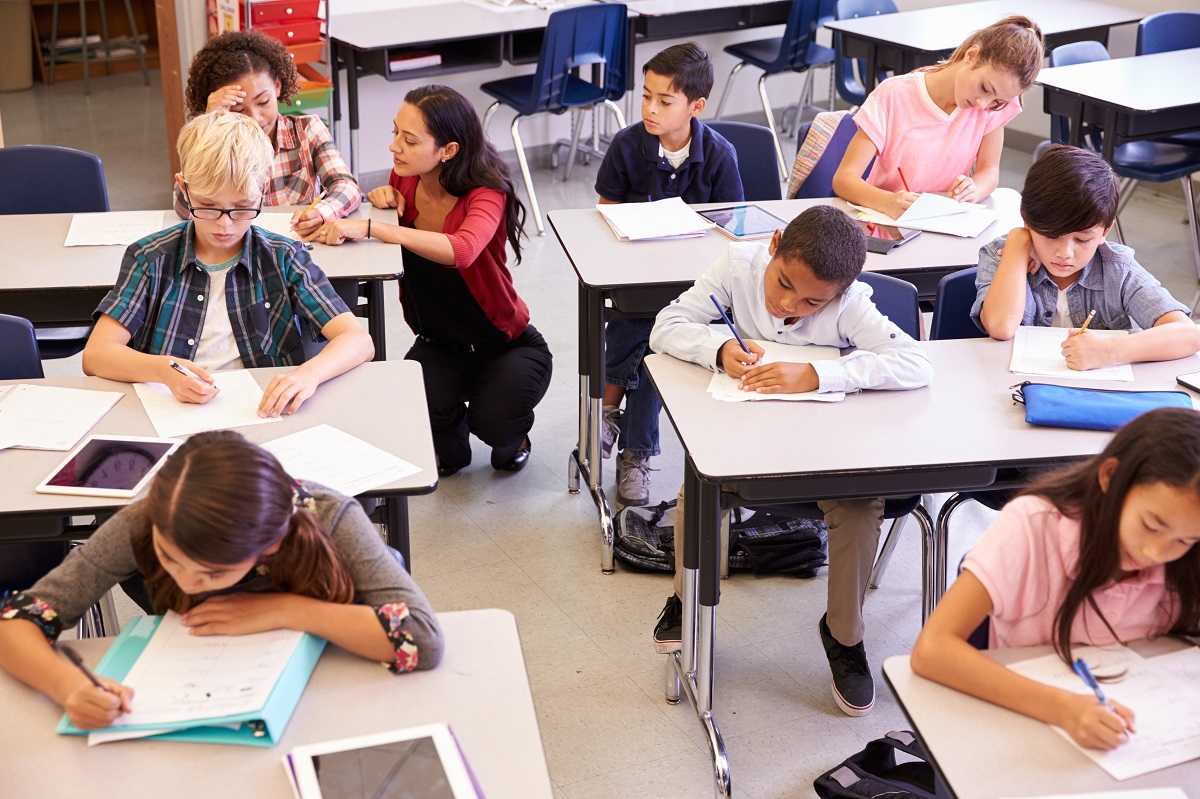
How To Control Students In Class: A Teacher’s Guide to Classroom Management
It’s the first day of school, and you’re brimming with excitement. You’ve got your lesson plans ready, your classroom decorated, and your coffee brewing. You’re prepared to inspire young minds and ignite their passion for learning. But then, it happens. The chatter starts. The whispers turn into shouts. The room, once an oasis of potential, transforms into a chaotic battleground. You’re left wondering, “How can I possibly teach in this environment?”

This is a question that plagues many teachers. Classroom management isn’t about wielding a magic wand to instantly silence a room. It’s about establishing a clear structure, setting expectations, and fostering a positive learning environment where students feel safe, respected, and engaged.

So, how do you control your students?
Building a Foundation of Respect and Trust
Let’s face it, you can’t control students if you haven’t earned their respect. Building trust and rapport is the cornerstone of any effective classroom management strategy. It’s about establishing a strong foundation where students feel seen, heard, and valued.
- Get to know your students: Take the time to learn their names, interests, and personalities. It might sound simple, but it’s crucial. Connecting with students on a personal level makes them feel like individuals, not just faces in the crowd. Remember, it’s not just about what they learn, but who they become.
- Be consistent: Just like a well-oiled machine, a classroom functions best when there’s consistency. Establish clear rules, procedures, and expectations that are enforced fairly and consistently. This predictability helps students feel secure and understand what’s expected of them.
- Model the behavior you want to see: It’s hard to argue with the Golden Rule. If you want your students to be respectful, you need to be respectful. Model the behavior you want to see in your classroom, whether it’s listening attentively, being kind to others, or working diligently.
Setting Clear Expectations
Imagine trying to navigate a city without knowing where you’re going. You’d probably end up lost and frustrated. The same goes for students. They need clear expectations to thrive.
- Create a classroom contract: Involve your students in the process! Together, create a set of classroom rules that everyone agrees upon. This not only fosters a sense of ownership, but it also ensures that students understand what’s expected of them.
- Use positive reinforcement: Catch your students doing good! Instead of solely focusing on reprimands, recognize and celebrate positive behaviors. It can be as simple as a verbal praise or a sticker. The key is to make students feel seen and valued, motivating them to continue their positive actions.
Managing Disruptive Behavior
Inevitably, there will be times when students misbehave. This is a normal part of the classroom experience. The key is to handle these situations calmly and effectively.
- Stay calm: If you feel your blood pressure rising, take a deep breath and count to ten. React to situations from a place of calm, not anger. If you get upset, you risk escalating the situation. Remember, you’re the grown-up in the room, and you’re responsible for setting the tone.
- Use nonverbal cues: Sometimes, a simple gesture, like raising your eyebrows or making eye contact, can be enough to redirect a student’s behavior. These nonverbal cues help you address the issue without interrupting the flow of the lesson.
- Talk to the student privately: If a student’s behavior continues, pull them aside and talk to them privately. It’s important to address the issue directly, but also to show compassion and understanding.
Creating an Engaging Learning Environment
Students are more likely to behave when they’re engaged in learning. This is where your creativity comes in!
- Use a variety of teaching methods: Incorporate different learning styles to keep things interesting and engaging. Use games, activities, technology, and hands-on projects to bring your lessons to life.
- Make connections to the real world: Students are more likely to be motivated if they see how what they’re learning applies to their lives. Connect your lessons to current events, real-world problems, or their own personal experiences. The more relevant your lessons feel, the more they’ll resonate with your students.
Encouraging Positive Relationships
Students thrive in an environment where they feel connected and supported. Building positive relationships goes a long way in creating a supportive and collaborative learning community.
- Be approachable: Make yourself available to your students, not just for academics, but for personal issues as well. Students need to know that you care about them, both as learners and as individuals.
- Build community: Create opportunities for students to interact with each other, work in teams, and build relationships. Class bonding activities, group projects, or even just regular time for social interaction can make a big difference.
- Celebrate achievements: Acknowledge students’ efforts and successes, both big and small. A simple “good job” or a personal note can go a long way in boosting confidence and motivation.
Harnessing Technology for Classroom Management
Technology is a powerful tool that can enhance classroom management.
- Use a learning management system (LMS): An LMS like Canvas or Moodle can streamline communication, manage assignments, and track student progress. This allows you to focus on teaching and engaging with your students while keeping things organized.
- Utilize online tools: There are a variety of online tools that can help you manage your classroom, such as ClassDojo for behavior management and Quizizz for interactive quizzes.
It’s a Journey, Not a Destination
Remember, effective classroom management is an ongoing process. It’s a journey that requires flexibility, adaptability, and a willingness to learn and grow. You’re not going to get it right every time, and that’s okay. The key is to keep learning, keep adapting, and keep striving to create the best possible learning environment for your students.
Think of it like this: You’re a gardener nurturing young seedlings. You’ve got to provide the right conditions – sunlight, water, and nutrients – for them to grow strong and thrive. The same goes for your students. You need to create a positive and supportive environment where they can flourish, both academically and personally.
So, how do you control students in class? It’s not about control at all. It’s about building relationships, setting expectations, and creating a learning environment where students feel valued, engaged, and empowered.
Remember, the most important thing is to keep the joy of learning alive.
Remember, it’s a journey, not a destination. You’ll have setbacks, but with patience, persistence, and a genuine desire to make a positive impact on your students, you can create a classroom that’s both productive and joyful.
Now, go out there and inspire those young minds!
I’m Mark Kinosita, and I believe in the power of education. I hope this article helps you navigate the exciting and sometimes challenging world of classroom management. Keep learning, keep growing, and keep inspiring!
Taking the Reins: Mastering Classroom Management Techniques
You’ve got the passion for teaching. You’re brimming with knowledge and eager to share it. But as every seasoned educator knows, the path to a thriving classroom involves more than just a love of learning. It requires the ability to navigate the complexities of human interaction, particularly with young minds eager to test boundaries and explore the world around them.
Mastering classroom management is not about suppressing student individuality; it’s about channeling their energy into a productive and enriching learning environment. It’s a delicate dance, requiring finesse, patience, and a constant willingness to learn and adapt.
Let’s delve deeper into the art of controlling students in class, exploring strategies that go beyond simply laying down the law.
Setting the Stage: Establishing a Positive Learning Environment
Think of your classroom as a blank canvas, ready to be transformed into a vibrant space where learning comes alive. You, the artist, are responsible for creating a welcoming atmosphere that fosters engagement, collaboration, and a sense of belonging.
1. A Space to Flourish:
- Physical Environment: The first step is creating a physical environment that’s conducive to learning. Think about the layout of your classroom, the lighting, the temperature, and the noise level. Make sure you’ve got a designated space for group work, individual study, and student presentations.
- Visual Appeal: Let’s not underestimate the power of aesthetics. Decorate your classroom with student work, colorful posters, or inspirational quotes. A vibrant and engaging classroom can boost morale and create a more positive learning atmosphere.
2. A Culture of Respect:
- Building Trust: The foundation of any successful classroom is built on trust and respect. Get to know your students as individuals, learn about their interests, and let them know you’re there for them. Encourage respectful communication and positive interactions, setting the stage for a welcoming and inclusive environment.
- Clear Expectations: Students thrive on structure and clarity. Establish clear rules and expectations, outlining acceptable behavior and consequences for breaking those rules. Involve your students in developing these rules, fostering a sense of ownership and responsibility.
3. The Art of Communication:
- Active Listening: Communication is a two-way street. Pay attention to what your students are saying, both verbally and nonverbally. Listen attentively, acknowledge their thoughts and feelings, and demonstrate that their voices matter.
- Open Dialogue: Encourage open communication in your classroom. Create opportunities for students to share their thoughts, ask questions, and express themselves. A classroom where everyone feels heard and respected is a classroom that thrives.
Strategies for Effective Classroom Management
1. The Proactive Approach:
- Prevention is Key: Proactive classroom management is all about anticipating potential problems and taking steps to prevent them from happening in the first place. This involves setting clear expectations, establishing routines, and engaging students from the start.
- Preemptive Strikes: Instead of waiting for issues to arise, establish clear procedures for common disruptions, such as transitions between activities, distributing materials, or managing noise levels. This provides structure and guidance, making it easier for students to navigate the classroom environment.
2. Harnessing the Power of Positive Reinforcement:
- Catch Them Being Good: Focus on recognizing and celebrating positive behaviors. Acknowledge a student’s effort, their willingness to help a classmate, or their thoughtful participation in a discussion. A simple “thank you,” a verbal compliment, or a special acknowledgement can go a long way in reinforcing positive behaviors.
- The Reward System: Implement a system of positive reinforcement, offering incentives for good behavior. This could involve awarding points, stickers, or privileges for achieving specific goals. Remember, the key is to find incentives that resonate with your students and motivate them to strive for excellence.
3. Addressing Disruptive Behavior:
- Nonverbal Cues: Sometimes a simple gesture or a subtle change in tone can be enough to redirect a student’s behavior. Try making eye contact, raising your eyebrows, or pausing briefly to signal that you’re noticing the disruption. This can often be enough to get a student back on track without interrupting the flow of the lesson.
- Talking It Out: If nonverbal cues aren’t enough, pull the student aside and speak to them privately. Address their behavior calmly and directly, explaining why it’s disruptive and how it impacts the learning environment.
4. The Power of Differentiation:
- Individualized Needs: Students learn at different paces and have different learning styles. Differentiate your instruction to meet the individual needs of your students. Provide different levels of support, challenges, and activities to ensure that every student is engaged and learning at their own pace.
- A Multi-Modal Approach: Incorporate a variety of learning modalities, including visual aids, hands-on activities, audio-based learning, and technology. This caters to diverse learning styles and keeps students engaged.
Building a Positive Learning Environment: Strategies for Success
- Create a Safe Space: Establish a classroom where students feel comfortable taking risks, sharing their ideas, and asking questions. Be approachable, listen attentively, and show empathy.
- Emphasize Collaboration: Foster a culture of collaboration by encouraging students to work together, share ideas, and support one another. Group projects, pair work, and peer tutoring can create a sense of community and foster a collaborative learning environment.
- Celebrate Success: Acknowledge students’ achievements, both big and small. Highlight their progress, recognize their effort, and celebrate their successes. This creates a positive feedback loop, motivating students to continue striving for excellence.
Harnessing Technology for Classroom Management
- Learning Management Systems (LMS): LMS platforms like Canvas or Moodle can streamline classroom management, providing a centralized hub for distributing assignments, tracking student progress, and facilitating communication.
- Online Tools: Explore online tools specifically designed for classroom management. ClassDojo offers a platform for behavior management, while Quizizz allows you to create interactive quizzes and games.
- Technology Integration: Embrace technology in your lessons. Use interactive whiteboards, online simulations, and digital resources to engage students and make learning more dynamic and engaging.
It’s a Journey, Not a Destination
Remember, effective classroom management is an ongoing process. It’s about continually adapting, reflecting, and refining your strategies. You’ll encounter challenges, but each challenge is an opportunity for growth.
Focus on Building Relationships
The most important element of effective classroom management is building positive relationships with your students. Show them you care, listen to their concerns, and celebrate their successes. When students feel respected, valued, and connected, they are more likely to be engaged and cooperative.
Cultivate a Growth Mindset
Embrace a growth mindset in your classroom. Encourage students to view challenges as opportunities for learning and growth. Help them understand that mistakes are part of the process and that resilience is key to success.
Keep Learning and Growing
The world of education is constantly evolving. Stay up-to-date on the latest research and best practices in classroom management. Attend professional development workshops, read books and articles, and network with other educators.
Embrace the Journey
Remember, you’re not alone in this journey. Connect with other teachers, share your experiences, and learn from each other. Together, we can create classrooms where students feel supported, challenged, and inspired to reach their full potential.
I’m Mark Kinosita, and I believe in the power of education. I hope this article provides you with the tools and inspiration to create a thriving learning environment where students feel empowered, respected, and excited to learn.
Go forth and make a difference!
The Art of Student Engagement: Unlocking the Power of Participation
You’ve got the classroom management strategies in place. Your students are engaged, respectful, and eager to learn. But what happens when the excitement fades and the routine sets in? How do you keep those young minds captivated and prevent them from drifting into a sea of disinterest?
The secret lies in the art of student engagement. It’s about creating a dynamic classroom where students actively participate, contribute their unique perspectives, and become passionate learners.
Unlocking the Power of Participation:
1. The Curiosity Factor:
- Spark Their Interest: The key to engaging students is igniting their curiosity. Present information in a way that sparks their interest, makes them wonder, and encourages them to ask questions.
- Real-World Connections: Connect your lessons to real-world situations, current events, or their own personal experiences. Show them how what they’re learning is relevant and meaningful, making learning more exciting and engaging.
2. Hands-On Learning:
- Active Learning: Get students actively involved in the learning process. Use hands-on activities, experiments, projects, and simulations to bring your lessons to life. This allows them to explore concepts firsthand, making learning more meaningful and memorable.
- Group Work: Encourage collaboration by organizing group projects, team discussions, and peer learning activities. This promotes communication, critical thinking, and problem-solving skills.
3. The Technology Advantage:
- Interactive Tools: Utilize online resources, interactive whiteboards, and educational apps to create a dynamic and engaging learning experience. Technology can enhance visual learning, provide immediate feedback, and create opportunities for exploration and discovery.
- Digital Resources: Explore a wide range of digital resources, including educational videos, virtual tours, and online simulations. These resources can bring learning to life, making it more interactive and engaging.
4. The Power of Choice:
- Student Agency: Give students some control over their learning by offering them choices within the classroom. Allow them to select projects, research topics, or even present their learning in a variety of ways.
- Differentiated Instruction: Cater to different learning styles and needs by offering a variety of options and activities. This allows students to engage with the material in a way that resonates with them and makes learning more enjoyable.
Strategies for Engaging Students:
- Ask Open-Ended Questions: Encourage critical thinking and discussion by asking open-ended questions that go beyond simple recall. This promotes deeper understanding and stimulates more thoughtful responses.
- Use Humor and Anecdotes: Inject some humor and personal anecdotes into your lessons to make them more engaging and relatable. This can create a more relaxed and enjoyable learning environment.
- Connect with Current Events: Bring your lessons to life by connecting them to current events. This helps students see how what they’re learning applies to the real world and makes it more relevant to their lives.
- Provide Regular Feedback: Give students regular feedback on their work. This helps them understand what they’re doing well and where they need to improve.
Building a Culture of Engagement:
- Create a Collaborative Environment: Foster a sense of community in your classroom where students feel comfortable asking questions, sharing their ideas, and supporting one another.
- Encourage Risk-Taking: Create a safe space where students feel comfortable taking risks and making mistakes. Help them understand that learning is a journey and that mistakes are part of the process.
- Celebrate Success: Recognize and celebrate students’ achievements, both big and small. This reinforces positive behaviors and motivates students to continue learning and growing.
The Importance of Engagement:
Engaged students are more likely to:
- Learn effectively: They’re more motivated, attentive, and actively involved in the learning process.
- Develop critical thinking skills: They’re challenged to think critically, analyze information, and solve problems.
- Become lifelong learners: They develop a passion for learning and a desire to continue exploring new ideas.
Conclusion
Creating an engaging learning environment is a vital part of effective teaching. When students are engaged, they’re more likely to learn, grow, and succeed. By applying these strategies, you can unlock the power of participation and create a classroom where learning is a joyful and rewarding experience for all.
Keep learning, keep growing, and keep inspiring!


