

How To Control Students: A Teacher’s Guide to Classroom Management

Ah, the joys of teaching! The passion, the inspiration, the endless supply of coffee…and let’s not forget the boundless energy of our little bundles of joy, otherwise known as students.

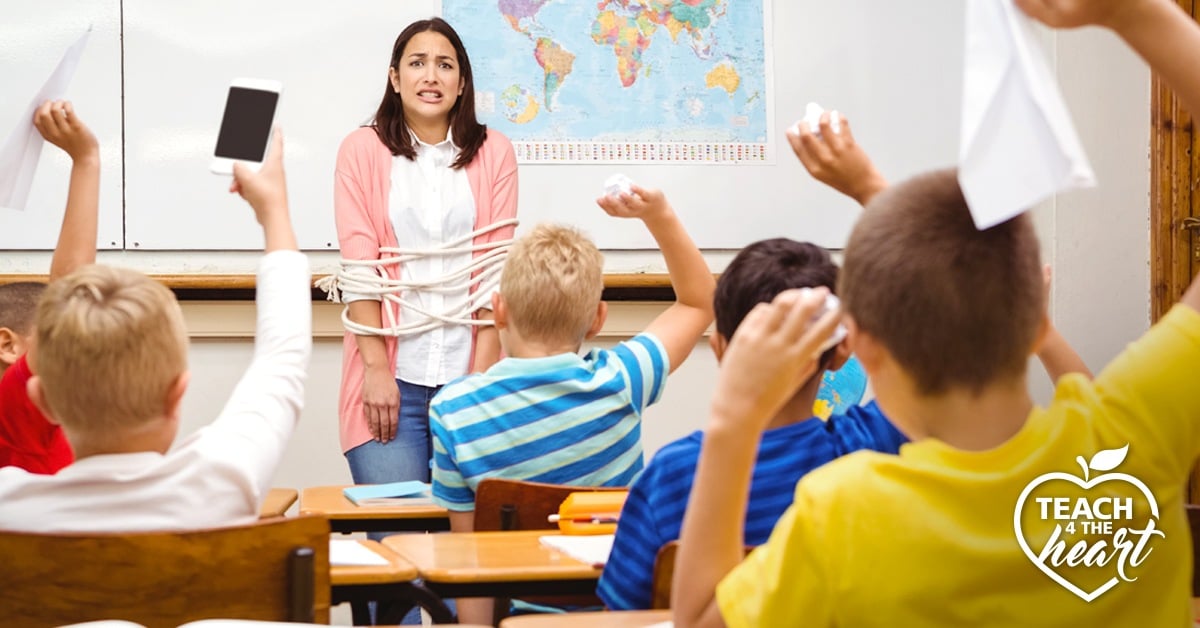
As a seasoned educator, I’ve seen my fair share of chaotic classrooms. It’s a bit like trying to herd cats, except the cats are armed with markers and a penchant for singing “Baby Shark” at the top of their lungs. But fear not, fellow teachers! There are strategies, techniques, and a whole lot of patience that can help you tame the classroom beast and transform it into a vibrant learning environment.
This guide is your roadmap to mastering the art of student control, a skill that’s more than just keeping them quiet. It’s about fostering a positive learning atmosphere where students feel safe, engaged, and empowered to thrive.
Understanding the Root of the Problem: Why Students Misbehave
Before we delve into strategies, let’s address the elephant in the room – why do students misbehave in the first place? It’s not always about being “bad.” Often, it stems from a combination of factors:
- Lack of Engagement: When a student isn’t engaged, their mind wanders, and they seek other forms of stimulation – whether it’s whispering to their neighbor or playing with their pencil.
- Desire for Attention: Some students may act out simply to get your attention, even if it’s negative attention.
- Unmet Needs: Perhaps a student is struggling with the material, feeling overwhelmed, or experiencing personal difficulties that are affecting their behavior.
- Lack of Structure: A classroom without clear rules, expectations, and consequences can quickly descend into chaos.
- Developmental Stages: Keep in mind that students’ maturity levels and emotional regulation skills vary greatly, especially in younger grades.
The Power of Prevention: Building a Foundation for Control
You wouldn’t start a marathon without stretching, right? Similarly, creating a well-managed classroom requires setting a strong foundation from day one. Here are some preventative measures:
1. Establish Clear Expectations and Consequences:
- From Day One: It’s crucial to establish clear rules and consequences right from the start. This sets the tone for the entire year.
- Be Consistent: Consistency is key! Students need to know that every time a rule is broken, there will be a consequence.
- Positive Reinforcement: Focus on celebrating good behavior and rewarding students for following the rules. A little “good job” or a sticker can go a long way!
- Classroom Management Tools: There are many digital tools that can help with classroom management, like ClassDojo (classdojo.com) or Google Classroom (classroom.google.com). These platforms provide a structured framework for communication, rewards, and tracking student progress.
2. Create a Welcoming and Engaging Environment:
- Positive Atmosphere: Cultivate a warm and supportive classroom environment. Students are more likely to behave when they feel valued and respected.
- Student-Led Activities: Incorporate activities that allow students to take ownership of their learning. This can range from small group discussions to student-led presentations.
- Variety is Key: Keep lessons engaging by incorporating a variety of learning methods, like interactive games, hands-on projects, and technology-based activities.
- Student Choice: Give students some control over their learning by offering choices within assignments or activities.
3. Build Strong Relationships with Students:
- Get to Know Your Students: Take time to learn about your students’ interests, strengths, and challenges. This will help you tailor your teaching to their needs and build a rapport with them.
- Open Communication: Foster open communication by creating a safe space where students feel comfortable asking questions and sharing their concerns.
- Show You Care: Let your students know that you genuinely care about their well-being and academic success.
- Collaborate with Parents: Communicate with parents about their child’s progress and behavior. A united front is essential for promoting positive changes.
4. Stay Calm and Be Patient:
- Breathe, It’s Okay: Even the best-laid plans can go awry. When things get tough, remember to take a deep breath and stay calm.
- Choose Your Battles: Not every transgression needs a dramatic response. Learn to prioritize and address the most important issues.
- Positive Language: When addressing a student’s behavior, focus on what you want them to do instead of what you don’t want them to do. For example, instead of saying, “Stop talking,” try saying, “I need you to be quiet now so everyone can hear.”
Strategies for Handling Specific Behavior Issues
Every classroom is unique, and every student brings their own set of challenges. Here are some strategies for addressing common behavior issues:
1. Disruptive Behavior:
- Redirect: If a student is disrupting the class, gently redirect their attention to the task at hand. Try using a non-verbal cue like a hand gesture or a soft “shh.”
- Proximity: Sometimes simply standing near a disruptive student can deter further misbehavior.
- Quiet Time: If a student is being overly talkative, give them a few minutes of quiet time to work independently or to read.
- Consequences: If redirection and proximity don’t work, it’s time to implement a consequence, like a warning, a loss of recess time, or a note home.
2. Off-Task Behavior:
- Check for Understanding: Make sure that the student understands the assignment and is able to complete it.
- Break Down Tasks: If the assignment is too challenging, break it down into smaller, more manageable steps.
- Provide Support: Offer individual or small-group support to help the student succeed.
- Motivational Tools: Use visual timers, checklists, or reward charts to keep students focused and on track.
3. Aggressive Behavior:
- De-Escalate the Situation: Stay calm and try to de-escalate the situation before it escalates further.
- Separate the Students: If the situation is becoming physical, separate the students involved.
- Seek Help: If you’re unable to manage the situation yourself, seek help from another teacher, administrator, or counselor.
- Develop a Plan: Once the immediate situation is resolved, work with the student and their parents to develop a plan for preventing future aggressive behavior.
4. Lack of Motivation:
- Connect to Interests: Find ways to connect the curriculum to the student’s interests.
- Hands-On Activities: Incorporate hands-on activities, games, or simulations to make learning more engaging.
- Differentiated Instruction: Provide different learning options to meet the needs of all students.
- Praise and Encouragement: Offer genuine praise and encouragement to boost their confidence and motivation.
5. Learning Disabilities:
- Work with Special Educators: Collaborate with special educators to develop individualized plans for students with learning disabilities.
- Modify Assignments: Modify assignments to make them more accessible to students with learning disabilities.
- Provide Accommodations: Offer accommodations like extra time, preferential seating, or assistive technology.
- Advocate for Students: Be an advocate for your students and work with parents and administrators to ensure they receive the support they need.
The Importance of Collaboration and Communication
Remember, you’re not alone in this journey!
- Connect with Other Teachers: Share your experiences and strategies with other teachers. You can learn a lot from their insights and build a support network.
- Collaborate with Administrators: Keep administrators informed about any challenges or successes you’re experiencing.
- Work with Parents: Partner with parents to create a unified approach to supporting the student.
- Seek Professional Development: Invest in professional development opportunities to gain new skills and strategies for classroom management.
Technology as a Tool for Control:
Technology isn’t just for entertainment anymore; it can be a valuable tool for student control. Here are some ways to incorporate tech into your classroom management strategy:
- Educational Apps: Explore apps like Quizlet (quizlet.com) for vocabulary practice, Khan Academy (khanacademy.org) for personalized learning, or BrainPop (brainpop.com) for animated educational videos.
- Online Learning Platforms: Platforms like Google Classroom, Canvas (canvaslms.com), and Moodle (moodle.org) offer a structured environment for assigning work, tracking progress, and communicating with students.
- Classroom Management Software: Tools like ClassDojo and Remind (remind.com) can streamline communication with parents, track student behavior, and provide rewards for positive behavior.
- Digital Portfolios: Encourage students to create digital portfolios where they can showcase their work and reflect on their learning journey.
- Virtual Field Trips: Immerse your students in a virtual world with immersive experiences like Google Earth (earth.google.com) or Google Arts & Culture (artsandculture.google.com).
Personal Anecdotes and Lessons Learned
Here’s a bit of personal insight from my own teaching experience.
One year, I had a class of fourth graders who were, shall we say, a bit “spirited.” Their energy levels were off the charts, and it felt like they were on a sugar rush 24/7. I tried everything – clear expectations, consequences, fun activities – but nothing seemed to work. The noise levels were unbearable, and I was starting to lose my sanity.
Then, I realized that I was neglecting a crucial element – student voice. I was so focused on managing their behavior that I wasn’t really listening to them.
So, I took a step back and asked them, “What would you like to see in our classroom?”
The results were astounding! The students had a ton of great ideas. They wanted more time for art projects, a designated “chill zone” where they could take a break from learning, and more opportunities to work in groups.
By involving them in the decision-making process, they felt empowered and responsible for their actions. The classroom transformed into a more positive and collaborative space.
This experience taught me a valuable lesson: Sometimes, the best way to control students is to give them some control.
Ethical Considerations
As educators, we have a responsibility to create a safe and ethical learning environment for all students. Here are some ethical considerations to keep in mind:
- Privacy: Respect student privacy and only use technology in ways that comply with relevant laws and regulations.
- Equity: Ensure that all students have equal access to technology and learning resources.
- Digital Citizenship: Teach students about responsible digital citizenship, including online safety and responsible social media use.
- Fairness: Apply consequences consistently and fairly to all students.
- Integrity: Be honest and transparent with students and parents.
Final Thoughts: The Importance of Reflection and Growth
Classroom management is an ongoing process, not a destination. You’ll constantly be learning and refining your strategies as you navigate the unique challenges of each classroom and student.
Here are a few things to keep in mind:
- Embrace Your Strengths: Identify your strengths as a teacher and leverage them to build a positive and effective classroom environment.
- Seek Feedback: Ask for feedback from students, parents, and colleagues. Their perspectives can provide valuable insights for improvement.
- Celebrate Your Successes: Don’t underestimate the power of celebrating small victories! Recognize your accomplishments and use them as fuel for future success.
- Never Stop Learning: Stay current with the latest research and trends in education.
Controlling students is more than just maintaining order; it’s about creating a nurturing and stimulating environment where students can thrive. By focusing on building positive relationships, establishing clear expectations, and using technology strategically, you can transform your classroom into a space where learning is engaging and meaningful for everyone.
Remember, teaching is a journey, and you are the captain of your own classroom ship. Navigate with kindness, understanding, and a dash of humor, and you’ll not only control your students, but inspire them to reach their full potential.
Remember, your students are the future. Every day, you have the power to shape their lives and empower them to become responsible, engaged citizens of the world. And that, my fellow educators, is a truly rewarding experience!

