

How To Control Disruptive Students: A Teacher’s Guide to Classroom Management
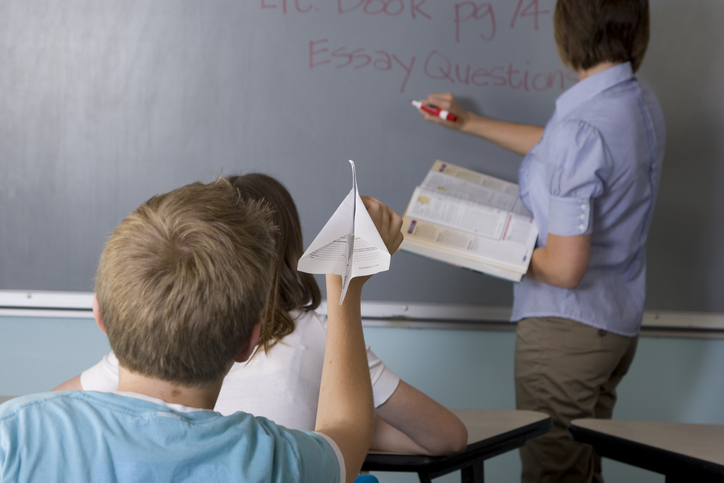
Let’s face it, teaching is a challenging profession, and dealing with disruptive students is one of the biggest hurdles we face. You’ve got your lesson plan ready, you’re feeling confident, and then… BAM! The unexpected student outburst throws everything off track.
Don’t worry, fellow educators! You’re not alone. Every teacher has encountered those students who seem determined to push buttons and disrupt the class flow. This article is your roadmap to understanding, managing, and, yes, even turning those disruptive behaviors into positive learning experiences.
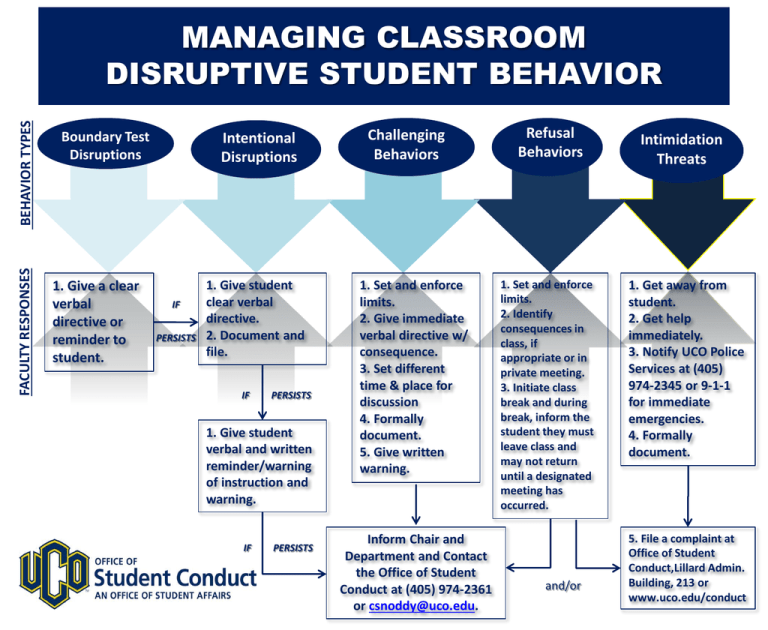
Understanding the Roots of Disruption
First things first, it’s crucial to understand why students disrupt. Often, it’s not malicious intent, but a cry for attention, a lack of engagement, or even undiagnosed learning difficulties. Here’s a look at some common causes:
- Lack of Engagement: When students feel bored or unchallenged, they’re more likely to seek stimulation, even if it’s in a disruptive way. Imagine sitting through a lecture on a topic you find utterly dull; wouldn’t you be tempted to doodle, whisper, or even sneak a peek at your phone?
- Attention-Seeking: Some students crave attention, even if it’s negative. A disruptive behavior like talking out of turn or interrupting might be a desperate attempt to be noticed.
- Learning Difficulties: Students struggling with the material might become frustrated and act out. They might feel embarrassed about not understanding and act impulsively to avoid further embarrassment.
- Underlying Issues: Disruptive behavior can also stem from deeper issues like anxiety, depression, or even family problems. It’s important to be sensitive to these possibilities.
Building a Strong Foundation: Proactive Classroom Management
You’ve got the tools, now let’s build the framework! Effective classroom management isn’t about punishment, it’s about creating a positive and supportive learning environment.
Here are some key strategies to consider:
- Establish Clear Rules and Expectations: From day one, clearly communicate your classroom rules and expectations. Don’t just tell them, show them! Model the behaviors you expect and post rules prominently.
- Build Strong Relationships: Create a positive and supportive classroom atmosphere where students feel safe to ask questions, express their opinions, and share their ideas. Get to know your students personally; find out their interests, their strengths, and their struggles.
- Engage and Motivate: Make your lessons engaging and relevant! Incorporate interactive activities, technology, and real-world examples. Provide opportunities for students to collaborate and take ownership of their learning.
- Positive Reinforcement: Catch students being good! Recognize and praise positive behaviors, and use a variety of reward systems to motivate and encourage.
Navigating the Rough Waters: Addressing Disruptive Behavior
Okay, so you’ve laid the foundation, but even the best-laid plans can be disrupted. Here’s how to tackle those disruptive moments:
- Stay Calm and Composed: It’s easy to get flustered when a student is acting up, but try your best to remain calm. Your composure will help de-escalate the situation.
- Acknowledge and Address the Behavior: Don’t ignore the disruptive behavior. Address it directly, but without making a scene. For example, you might say, “John, I see you’re having a hard time staying on task. Would you like to move to a quieter area of the classroom?”
- Redirect and Reinforce: If a student is off-task, redirect their attention back to the lesson. You might say, “Susan, I know you’re excited about the weekend, but let’s focus on this math problem for a moment.”
- Use Private Conferences: For more serious disruptions, address the issue privately with the student. Talk about the behavior and its consequences, and work together to develop a plan to address it.
- Involve Parents or Guardians: If the disruptive behavior is persistent, don’t hesitate to reach out to parents or guardians. Collaborate with them to develop a plan to support the student’s behavior at home and at school.
- Seek Professional Support: If you’re struggling to manage a student’s disruptive behavior, consider seeking professional support from your school counselor, principal, or an outside expert.
Harnessing the Power of Technology: Tools and Strategies for Classroom Management
In today’s digital world, technology can be a powerful ally for teachers in managing classroom behavior. Here are some useful tools and strategies:
- Classroom Management Apps: Apps like ClassDojo (classdojo.com), Remind (remind.com), and Google Classroom (classroom.google.com) can help you communicate with students and parents, track behavior, and provide positive reinforcement.
- Interactive Whiteboards: Interactive whiteboards like SMART Board (smarttech.com) can make lessons more engaging and interactive, reducing the likelihood of disruptive behavior.
- Online Learning Platforms: Platforms like Khan Academy (khanacademy.org), Coursera (coursera.org), and Edpuzzle (edpuzzle.com) can provide students with personalized learning experiences, keeping them engaged and motivated.
- Digital Response Systems: Systems like Kahoot! (kahoot.com) and Quizizz (quizizz.com) can turn traditional quizzes into fun and engaging activities, keeping students active and involved.
The Power of Positive Discipline
Remember, the goal is to create a supportive learning environment where students feel valued and respected. Positive discipline focuses on building relationships and fostering intrinsic motivation, rather than relying on punishment.
Here’s how you can incorporate positive discipline into your classroom:
- Focus on the Behavior, Not the Person: Instead of saying, “You’re a bad student,” focus on the specific behavior, such as, “I’m concerned about your lack of participation in class today.”
- Provide Choices: Give students opportunities to make choices whenever possible. For example, you might say, “Would you prefer to work on this assignment independently or with a partner?”
- Use Restorative Practices: When a student acts out, focus on repairing the harm done and helping them understand the consequences of their actions.
- Emphasize Responsibility: Empower students to take responsibility for their actions and make amends.
Real-World Scenarios: Putting Theory into Practice
Let’s dive into some real-life situations and see how you can apply these strategies.
- Scenario 1: The Chatty One
You’re teaching a lesson on the history of the American Revolution, and suddenly, you hear a flurry of whispers coming from the back of the classroom. You turn around to see two students engrossed in a lively conversation about their upcoming weekend plans.
What do you do?
Solution:
- Stay Calm: Take a deep breath and calmly approach the students.
- Acknowledge and Redirect: “I see you’re having a great conversation about your weekend plans, but I’m hoping we can focus on the American Revolution for the next few minutes.”
- Use a Visual Cue: If the whispers continue, use a visual cue, such as holding up a finger, to remind the students to be quiet.
- Private Conference: If the whispers persist, pull the students aside privately to talk about their behavior and its impact on the class.
- Scenario 2: The Distracted One
You’re working on a project with your students, and you notice one student consistently getting distracted. They’re fiddling with their phone, doodling, and looking around the room, barely paying attention to the task at hand.
What do you do?
Solution:
- Engage the Student: Approach the student and ask, “What’s going on? Are you struggling with this project or just feeling distracted?”
- Offer Support: If the student is struggling, offer help or resources to get them back on track.
- Adjust the Task: Consider adjusting the task to make it more engaging or challenging for the student.
- Set a Timer: Set a timer for the student to focus on the task, reminding them to stay on track.
- Scenario 3: The Argumentative One
You’re facilitating a classroom discussion about a controversial topic, and one student is consistently arguing with their classmates. Their comments are disrespectful and disruptive, and they’re not willing to listen to other perspectives.
What do you do?
Solution:
- Intervene Calmly: Step in and calmly address the student’s behavior, reminding them of the classroom rules and expectations for respectful discussion.
- Redirect the Focus: Help the student refocus their energy on the topic at hand by asking a clarifying question or reminding them of the discussion’s objective.
- Provide Structure: If the argument continues, consider setting a time limit for each student to share their opinions.
- Use Restorative Practices: After the discussion, talk to the student privately about their behavior and how it impacted the class. Help them to reflect on their actions and apologize to their classmates.
Building a Culture of Respect and Inclusivity
Remember, disruptive behavior often stems from a lack of respect and a feeling of being excluded. It’s crucial to create a classroom culture where every student feels valued and respected, regardless of their background, learning style, or abilities.
Here are some tips for fostering a culture of respect and inclusivity:
- Model Respectful Behavior: Be a role model for your students by treating them with respect and kindness.
- Celebrate Diversity: Acknowledge and appreciate the unique strengths and experiences that each student brings to the classroom.
- Create a Safe Space: Establish a classroom where students feel comfortable asking questions, expressing their opinions, and sharing their ideas without fear of judgment or ridicule.
- Address Bullying and Harassment: Take a firm stance against bullying and harassment. Create a zero-tolerance policy and implement clear procedures for reporting and addressing such incidents.
Embracing Growth and Resilience
Disruptive behavior is a complex issue, and there’s no one-size-fits-all solution. It’s important to be patient, persistent, and flexible in your approach. Sometimes, it takes time and effort to understand a student’s behavior and find effective strategies to address it.
Remember, you’re not alone in this journey. Connect with colleagues, seek professional support, and learn from your experiences. Every student has the potential to grow and thrive, and your commitment to creating a positive and supportive learning environment can make a real difference.
Wrap-Up
Managing disruptive students is an ongoing challenge for educators, but it’s one that we can conquer by understanding the roots of the behavior, building a strong foundation of classroom management, and embracing a positive and supportive approach.
By implementing these strategies, we can create learning environments where all students feel valued, respected, and empowered to achieve their full potential.
Remember, you are not alone in this journey. There are countless resources available to support teachers in their efforts to manage disruptive behavior. Connect with colleagues, seek professional support, and never stop learning and growing as an educator.
Remember, every student has the potential to learn and thrive, and your commitment to creating a positive and supportive learning environment can make a real difference!
Additional Resources:
- ClassDojo: https://www.classdojo.com/
- Remind: https://www.remind.com/
- Google Classroom: https://classroom.google.com/
- SMART Board: https://www.smarttech.com/
- Khan Academy: https://www.khanacademy.org/
- Coursera: https://www.coursera.org/
- Edpuzzle: https://edpuzzle.com/
- Kahoot! https://kahoot.com/
- Quizizz: https://quizizz.com/

