

How To Check Students’ Grades: A Teacher’s Guide to Navigating the Digital Landscape
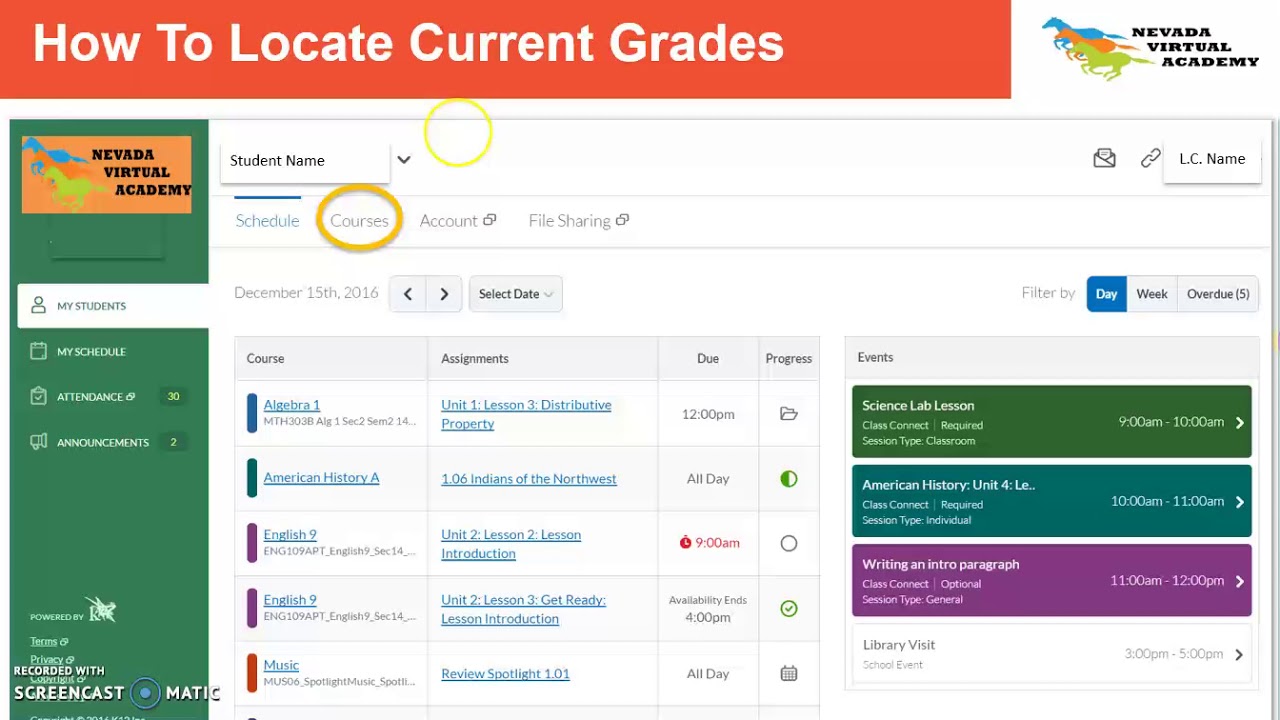
Ah, the eternal quest for student grades! For teachers like me, it’s a constant dance between marking assignments, grading tests, and trying to stay on top of the ever-evolving digital world of educational technology. Remember those days when we’d painstakingly grade papers with a red pen, meticulously writing feedback in the margins? Well, those days seem almost archaic compared to the digital tools and platforms that have transformed the way we assess student progress.
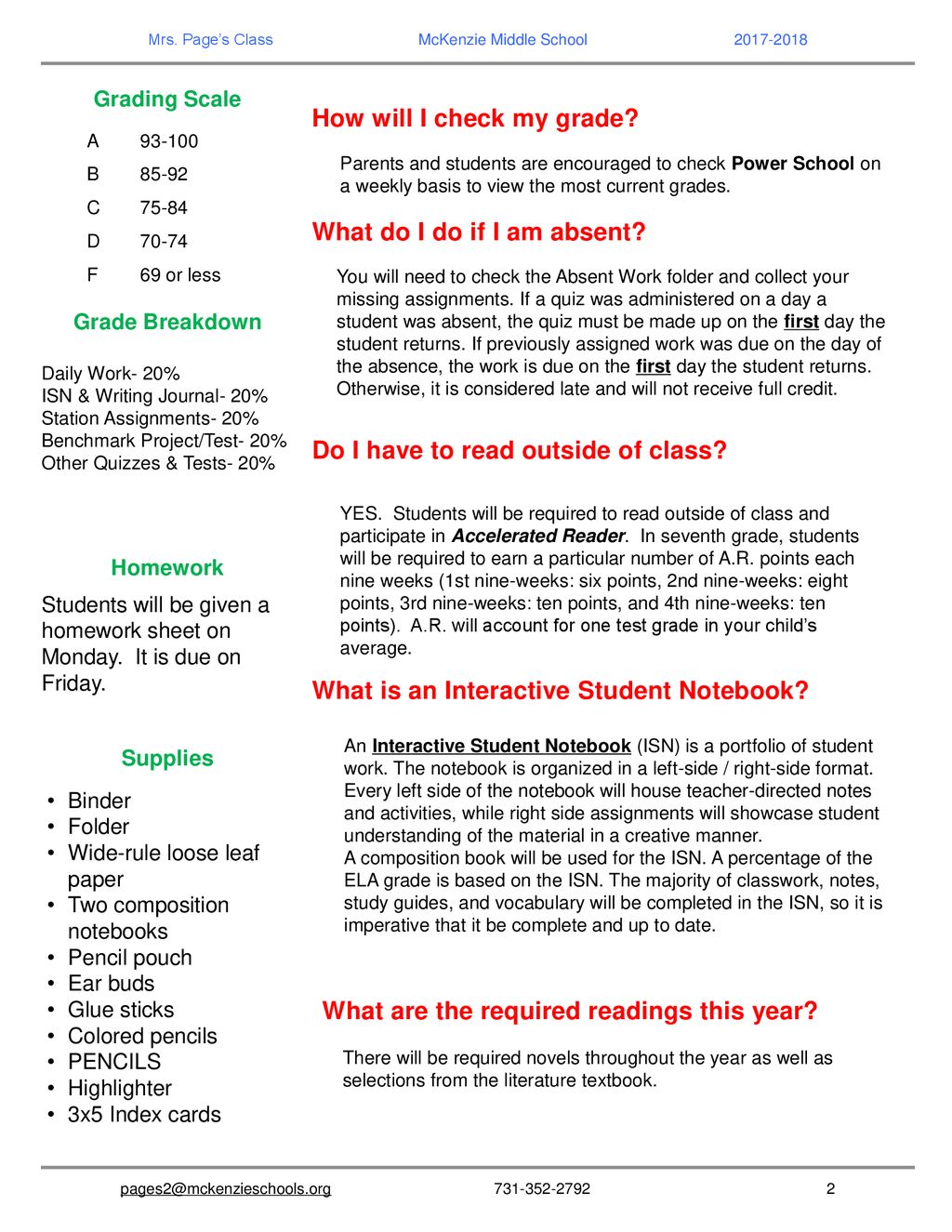
But navigating this digital landscape can be a bit like trying to find your way through a jungle with a map drawn by a preschooler – sometimes confusing, sometimes frustrating, and definitely full of surprises! In this guide, I’ll break down the most effective methods for checking student grades, including those trusty tried-and-true methods and the newer, more tech-savvy ones.

The Tried and True: Traditional Methods
Remember those old-school paper-and-pencil quizzes? You know, the ones that required us to manually tally up each student’s score? While those methods might seem like relics of a bygone era, they still hold a place in the hearts (and classrooms) of many educators.
-
The Grade Book: You can’t go wrong with a good old-fashioned grade book, either physical or digital. It’s a simple, reliable way to keep track of grades, and it’s a great tool for quick analysis and feedback. I still use a grade book to this day. It’s my bedrock, my safe haven in the storm of grading chaos.
-
The Spreadsheet: If you’re a bit more tech-savvy and prefer a more visually appealing method, a spreadsheet might be your new best friend. Excel or Google Sheets can be used to track grades, calculate averages, and generate reports. It’s like a digital grade book that gives you more flexibility and options.
-
The Old-Fashioned Rubric: I’ve been using rubrics for years, and they’re a great way to make sure that students are all assessed on the same criteria. A rubric breaks down grading criteria into smaller, measurable components, making it easier to provide specific feedback and track progress.
Harnessing the Power of Technology: Modern Solutions
Now, let’s talk about the tech side of things. These are the tools and platforms that have changed the way we track grades and communicate with students, revolutionizing the classroom landscape.
-
Learning Management Systems (LMS): LMS platforms like Canvas, Moodle, and Blackboard are a lifesaver for busy teachers. They’re essentially virtual classrooms that centralize all your teaching materials, assessments, and student grades. You can upload assignments, set due dates, and access real-time data on student progress. It’s like having a digital command center for your classroom!
-
Digital Assessment Platforms: Websites like Quizlet and Google Forms allow you to create interactive quizzes, tests, and surveys. These platforms can be a great way to assess student understanding quickly and easily, and they also provide instant feedback, so students can see their results right away.
-
Educational Apps: There are countless educational apps available today, offering a range of tools for everything from grading to classroom management. Apps like Gradescope, GoGuardian, and Flocabulary provide features for streamlined grading, real-time monitoring, and interactive learning.
How to Choose the Right Tools for You
Just like selecting the perfect outfit for a special occasion, choosing the right tools for checking students’ grades requires careful consideration. Consider these key factors:
-
Your Teaching Style: Are you a traditional teacher who thrives on hands-on interaction, or are you more comfortable with tech-integrated approaches? The right tools will align with your personal teaching philosophy.
-
Your Classroom Needs: Do you have a large class with diverse learning styles, or do you teach a smaller, more specialized group? Consider the specific requirements of your students and your curriculum.
-
Budget and Resources: Some tools come with a price tag, while others are free or offered at a discounted rate. Don’t be afraid to experiment with different options to find what works best for you.
-
Time and Efficiency: Choose tools that can save you time and streamline your grading process. Look for platforms that automate tasks and offer features like automatic grading, feedback generation, and data analysis.
Beyond the Tools: A Personal Touch
Let’s face it, grades aren’t just about numbers or percentages. They represent a student’s effort, progress, and understanding. While tools can streamline the grading process, it’s essential to maintain a personal touch and remember the human element.
-
Constructive Feedback: Don’t just assign a number; provide meaningful feedback that helps students learn and grow. Explain your rationale behind the grade and offer specific suggestions for improvement.
-
Open Communication: Encourage students to ask questions and seek clarification. Be approachable and responsive to their concerns.
-
Personalized Support: Recognize that every student learns differently and may require individual attention. Offer personalized support and encouragement to help students reach their full potential.
The Art of Gradebook Mastery: Tips and Tricks
Imagine a world where your gradebook is a source of joy, a testament to your organizational prowess, not a cause of sleepless nights and muttered curses! Here are some tips for mastering your gradebook and conquering the chaos of grading:
-
Stay Organized: Create a system for organizing your assignments and grades, whether it’s a physical gradebook or a digital spreadsheet. Use consistent naming conventions and color-coding to keep things tidy.
-
Utilize Due Dates: Set clear due dates for assignments and stick to them. This helps students stay on track and allows you to allocate time for grading and feedback effectively.
-
Use Technology Wisely: Don’t be afraid to embrace technology to streamline your workload. Use LMS platforms, digital assessment tools, and apps to automate tasks and save time.
-
Collaborate With Colleagues: Talk to your colleagues about their strategies for checking grades and share best practices. You might find that another teacher has a brilliant system that you can adopt for your classroom.
-
Take Breaks: It’s easy to get bogged down in grading, especially during busy times of the year. Remember to take breaks and recharge. Go for a walk, listen to music, or just relax for a few minutes. Your mental health and your students will thank you.
Common Grading Mistakes to Avoid
Let’s face it, we all make mistakes. Even experienced teachers can sometimes trip up when it comes to grading. But recognizing common errors can help you stay on the right track.
-
Inconsistent Grading: Ensure that you use the same criteria for grading all assignments, regardless of the student or the subject. This helps ensure fairness and equity in your classroom.
-
Overemphasis on Grades: Remember that grades are just one measure of a student’s progress. Don’t solely rely on grades to assess a student’s abilities or their potential for success.
-
Lack of Feedback: Providing constructive feedback is crucial for student learning and development. Make sure you take the time to give students specific and actionable suggestions for improvement.
-
Impersonal Approach: Avoid impersonal grading and feedback. Engage with students and let them know that you’re invested in their progress.
Grading with Integrity: Ethical Considerations
As teachers, we hold a position of trust and responsibility. We have the power to influence students’ lives, shape their future, and foster their intellectual development. It’s essential to grade with integrity, maintaining ethical standards throughout the process.
-
Academic Honesty: Protect academic integrity by addressing plagiarism and cheating promptly and fairly. Establish clear guidelines and consequences for violations.
-
Bias Awareness: Be mindful of potential biases in grading and strive for fairness. Recognize that students may have different learning styles, backgrounds, and experiences that could influence their performance.
-
Confidentiality: Respect student privacy and protect sensitive information. Maintain confidentiality regarding grades, performance data, and personal details.
-
Transparency: Be transparent with students about your grading policies, criteria, and expectations. Communicate clearly and effectively to ensure that everyone understands the process.
The Future of Grading: Trends and Innovations
The field of education is constantly evolving, and the future of grading is no exception. We’re seeing exciting new trends and innovations that are transforming the way we assess student progress.
-
Personalized Learning: Technology is enabling personalized learning experiences, tailoring instruction and assessment to individual student needs. Adaptive learning platforms and AI-powered tools are being used to provide tailored feedback and adjust learning paths.
-
Authentic Assessment: Educators are moving away from traditional, standardized tests and embracing authentic assessments that reflect real-world skills and knowledge. Projects, portfolios, and performance tasks are becoming increasingly common.
-
Continuous Feedback: Students are receiving feedback on a more frequent and ongoing basis, allowing for real-time adjustments and improvement. This shift towards continuous feedback is empowering students to take ownership of their learning.
-
Data-Driven Insights: Technology is providing educators with rich data and insights into student performance. These data-driven insights can inform instruction, personalize learning, and identify areas for improvement.
How to Stay Ahead of the Curve: Embracing Innovation
As the educational landscape continues to evolve, it’s essential for teachers to stay ahead of the curve and embrace innovative approaches to grading. Here are some strategies for staying up-to-date:
-
Engage in Professional Development: Attend workshops, conferences, and online courses to learn about new trends and tools in assessment. Stay informed about emerging technologies and their implications for grading.
-
Join Online Communities: Connect with other teachers and educators through online communities and forums. Share ideas, best practices, and resources related to grading and assessment.
-
Experiment With New Tools: Don’t be afraid to experiment with new tools and platforms. Try out different apps, learning management systems, and digital assessment tools to find what works best for your students and your teaching style.
-
Embrace a Growth Mindset: Approach innovation with a growth mindset, recognizing that there’s always something new to learn. Be open to feedback, willing to adapt your practices, and eager to embrace change.
Beyond the Gradebook: Building a Positive Learning Environment
Remember, grading is just one aspect of teaching. It’s important to create a positive and supportive learning environment where students feel valued, respected, and encouraged to learn.
-
Positive Reinforcement: Recognize and celebrate student achievements, no matter how small. Positive feedback and encouragement go a long way in motivating students and fostering a growth mindset.
-
Authentic Connections: Build genuine relationships with your students by getting to know them individually and fostering a sense of community in your classroom.
-
Collaborative Learning: Encourage collaboration and peer support. Students learn from each other and develop valuable teamwork skills.
-
Growth Mindset: Cultivate a growth mindset in your classroom by emphasizing effort, perseverance, and the pursuit of continuous learning.
A Final Word: The Joy of Teaching
At the heart of it all, teaching is a rewarding and enriching experience. We have the opportunity to guide, inspire, and empower our students to reach their full potential. And while grading might sometimes feel like a monumental task, remember the joy of witnessing your students’ progress and the impact you have on their lives.
Stay organized, embrace technology, and remember the importance of feedback, ethical practices, and building a positive learning environment. The journey of teaching is a continuous one, and the quest for finding the most effective methods for checking students’ grades is a constant companion. But with the right tools, a positive attitude, and a passion for education, you can make the grading process more efficient, rewarding, and ultimately, a positive reflection of your students’ achievements and your own teaching excellence.

