

How To Build Relationships With Students: A Teacher’s Guide to Connecting in the Classroom
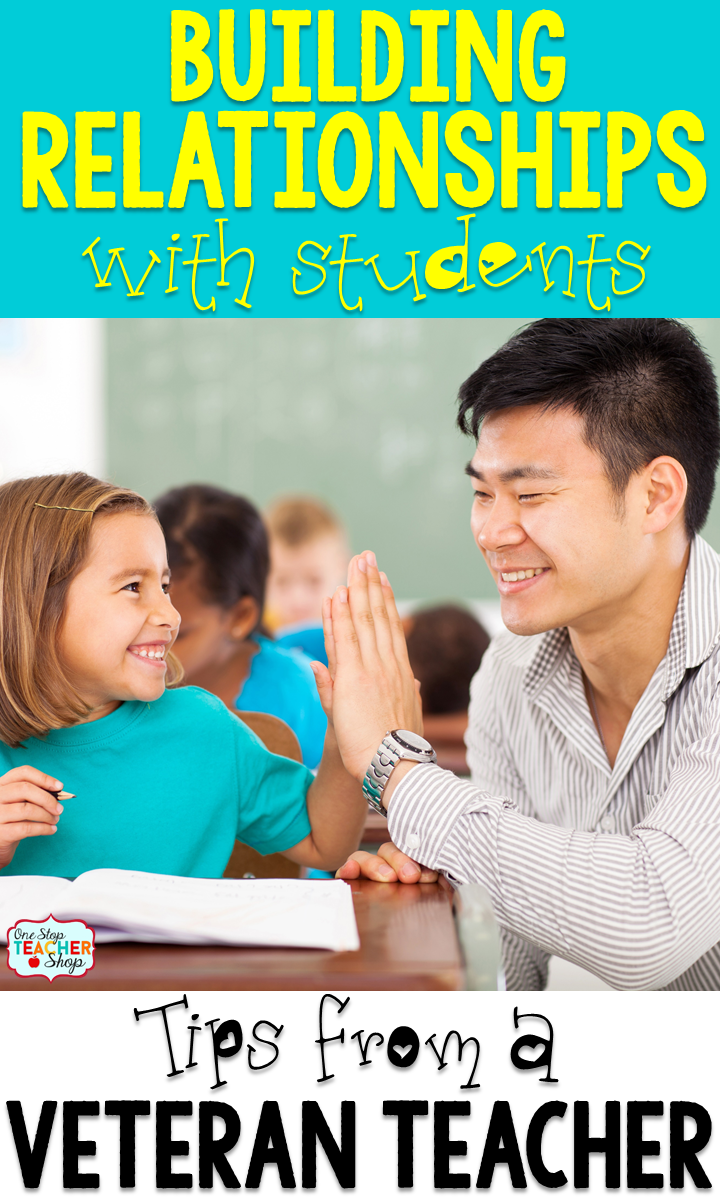
Building relationships with students is the foundation of a successful classroom. It’s not just about good grades and test scores; it’s about fostering a supportive and engaging environment where students feel valued, understood, and motivated to learn.

Think about it, wouldn’t you want to be in a class where you feel like your teacher truly cares about you and your learning? That’s the kind of environment we want to create for our students, right? So, how do we do it?
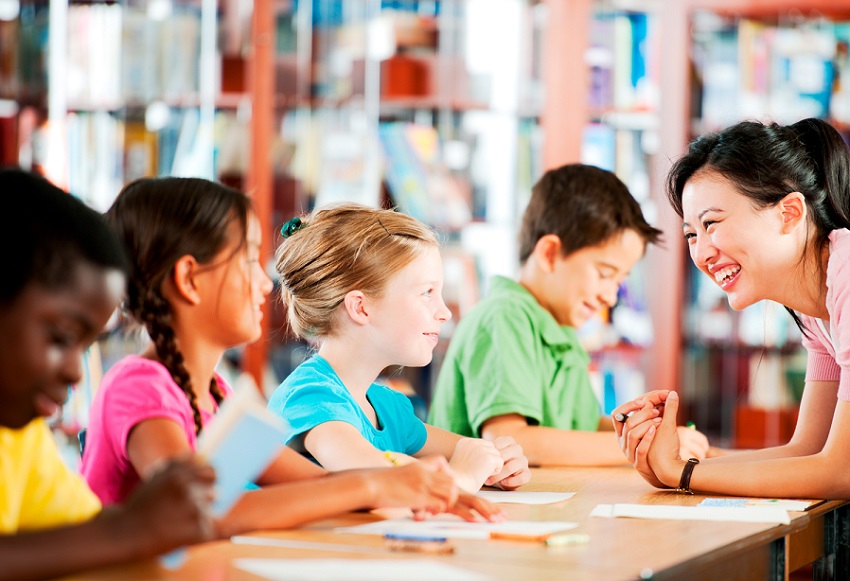
Let’s dive into some practical strategies that will help you build genuine connections with your students and create a classroom atmosphere that’s conducive to learning and growth.
Get to Know Your Students
The first step in building relationships is getting to know your students, and I mean really getting to know them. This means going beyond their names and learning about their interests, backgrounds, and personalities.
Start with the basics. Make it a point to learn their names. You can use a name-card system, repeat their names frequently, or even play a name game during the first few days of class. It might sound basic, but taking the time to learn their names shows them you care about them as individuals.
Don’t be afraid to ask questions. You might be surprised at what you learn! Ask them about their hobbies, their families, or what they like to do in their free time. Even seemingly trivial questions can lead to interesting conversations and help you understand their perspectives.
Use icebreakers and activities. Icebreakers, like “Two Truths and a Lie,” or activities that encourage collaboration, like group projects or classroom debates, can be a fun way to get students interacting with each other and revealing their personalities.
Think outside the box. If you’re teaching online, consider using a virtual whiteboard or interactive polls to spark conversations and encourage participation. Remember, building relationships is an ongoing process, and it doesn’t happen overnight. It’s a marathon, not a sprint.
Foster a Safe and Inclusive Classroom Environment
Imagine walking into a classroom where everyone feels comfortable sharing their thoughts and ideas without fear of judgment. That’s the kind of safe and inclusive environment we want to cultivate.
Respect individual differences. Every student is unique, with their own strengths, weaknesses, and learning styles. Recognizing and respecting those differences is crucial to creating an inclusive classroom where everyone feels valued and supported.
Set clear expectations and boundaries. This doesn’t mean being rigid or authoritarian. It’s about establishing a common understanding of what’s acceptable and unacceptable behavior in your classroom.
Encourage open communication. Create a space where students feel comfortable expressing their opinions, asking questions, and seeking help.
Promote empathy and understanding. Encourage your students to be kind and respectful to one another. Use real-world examples or stories to help them develop empathy and understand different perspectives.
Be mindful of your own biases. We all have biases, whether we’re aware of them or not. Being aware of our own biases and working to overcome them is essential for creating a truly inclusive classroom environment.
Create Engaging and Meaningful Learning Experiences
Remember those dull lectures? We’ve all been there, and let’s be honest, they’re not exactly the most exciting way to learn. So, how do we make learning engaging and meaningful?
Connect learning to the real world. Students are more likely to be engaged in learning if they can see how it applies to their lives. Use real-world examples, case studies, or projects that connect to their interests.
Use technology effectively. We live in a digital age, and technology can be a powerful tool for engaging students and enhancing learning experiences. Use interactive simulations, virtual field trips, or educational apps.
Incorporate different learning styles. Not all students learn in the same way. Some are visual learners, others are auditory, and some are kinesthetic. Use a variety of teaching methods to cater to different learning styles.
Encourage collaboration and teamwork. Group projects, peer-to-peer learning, and collaborative activities can foster a sense of community and encourage students to learn from one another.
Celebrate student successes. Every student deserves to be recognized for their achievements. Use positive reinforcement, celebrate milestones, and provide opportunities for students to share their work with their peers.
Building Relationships is a Continuous Journey
Remember, building relationships with students is not a one-time event. It’s an ongoing process that requires consistent effort and commitment.
Be present and engaged. Show your students that you care about them by being present in the classroom and actively participating in their learning.
Be approachable and accessible. Make yourself available to students outside of class time.
Show your students that you believe in them. Every student has the potential to learn and grow. Encourage them to challenge themselves and pursue their passions.
Reflect and adapt. Take the time to reflect on your teaching practices and seek feedback from your students. Be open to making adjustments based on their needs and perspectives.
Building Relationships Through Communication
Communication is the lifeblood of any relationship. It’s how we connect, share ideas, and build understanding. Here are some strategies for fostering effective communication in the classroom:
Active listening: It’s not just about hearing what students say, it’s about truly paying attention to their words, their body language, and their emotions. Put your phone away, make eye contact, and show them that you’re listening attentively.
Open communication: Create an atmosphere where students feel comfortable sharing their thoughts, concerns, and ideas. Be open to hearing different perspectives and avoid dismissing their opinions.
Clear and concise communication: Use clear language that’s appropriate for your students’ level of understanding. Avoid using jargon or technical terms that might confuse them.
Provide regular feedback: Give students constructive and timely feedback on their work. This will help them understand what they’re doing well and what areas they need to improve.
Be patient and understanding. Building relationships takes time. Don’t expect instant results or get discouraged if students don’t seem to respond immediately.
Building Relationships Through Shared Experiences
Shared experiences, like a classroom trip to a museum or a school play, can create lasting memories and strengthen bonds between students and teachers.
Classroom events: Organize events, like a student-led talent show or a holiday party, to create a sense of community and foster connections.
Service learning projects: Engage students in community service projects where they can learn about different perspectives, give back to their communities, and build a sense of shared purpose.
Class trips: Plan educational trips to museums, historical sites, or cultural events to enhance learning and create memorable shared experiences.
Games and activities: Incorporate fun games and activities into your lesson plans to break up the monotony and encourage laughter and camaraderie.
Think outside the box. Get creative and come up with unique ways to create shared experiences. You might consider having a classroom movie night, organizing a book club, or starting a school garden.
Using Technology to Build Relationships
Technology can be a powerful tool for building relationships with students, even in a virtual environment.
Virtual platforms: Use video conferencing platforms like Zoom or Google Meet to conduct live sessions, hold virtual office hours, and facilitate group discussions.
Online learning communities: Create online forums or discussion boards where students can connect with each other, share resources, and ask questions.
Personalized communication: Use email, instant messaging, or learning management systems (LMS) to send personalized messages to students, provide individual feedback, or acknowledge their achievements.
Virtual field trips: Take advantage of virtual field trip resources to explore historical sites, museums, or other locations around the world.
Interactive games and quizzes: Use educational games and quizzes to make learning more engaging and fun.
Fostering a Growth Mindset
A growth mindset is the belief that we can all learn and improve with effort and dedication. It’s a crucial aspect of building relationships with students, as it encourages them to embrace challenges and strive for excellence.
Encourage risk-taking: Create a safe space where students feel comfortable trying new things, making mistakes, and learning from their experiences.
Celebrate effort and progress: Recognize and celebrate students’ efforts, even if they don’t achieve perfection. This will reinforce the idea that learning is a process of growth.
Provide feedback that focuses on development: Give feedback that’s specific, actionable, and focuses on areas for improvement.
Use positive reinforcement: Acknowledge and praise students’ successes, even small ones.
Model a growth mindset yourself. Show students that you’re always striving to learn and improve.
Building Relationships with Challenging Students
Building relationships with challenging students can be especially difficult, but it’s crucial for their success and well-being.
Establish clear expectations and boundaries. Set clear expectations for behavior and follow through with consequences when necessary.
Be patient and consistent. Don’t give up on challenging students. Continue to show them that you believe in them and are there to support them.
Seek help when needed. If you’re struggling to manage a student’s behavior, reach out to colleagues, administrators, or school counselors for support.
Focus on their strengths. Identify and acknowledge their strengths to build their self-esteem and confidence.
Use positive reinforcement. Reinforce positive behaviors with praise, rewards, or other forms of recognition.
Develop a personal connection. Find common ground with the student, whether it’s a shared interest, a favorite book, or a sports team.
Be empathetic and understanding. Try to understand the student’s perspective and the factors that might be contributing to their challenging behavior.
The Power of Building Relationships
Building relationships with students is more than just a nice thing to do. It’s essential for their academic success, their social-emotional development, and their overall well-being.
When students feel connected to their teachers, they’re more likely to:
- Be engaged in learning: They’re more motivated to participate in class, ask questions, and complete their assignments.
- Develop a positive attitude toward school: They’re more likely to enjoy their school experience and look forward to coming to class.
- Feel supported and valued: They know that their teacher cares about them and wants them to succeed.
- Be resilient in the face of challenges: They’re more likely to overcome obstacles and persevere through difficult times.
- Become better citizens: They learn the importance of empathy, respect, and collaboration, which are essential for building a strong community.
Reflections on Building Relationships: A Personal Anecdote
I remember a student from a few years ago, let’s call him John. John was a quiet, unassuming kid who seemed to blend into the background. He wasn’t particularly disruptive or troublesome, but he just never seemed to engage in class.
One day, I noticed John sketching something in his notebook during a lecture. Curiosity got the best of me, and I asked him what he was drawing. He showed me a beautiful illustration of a dragon.
It turned out John was a passionate artist, and he loved drawing fantasy creatures. From that moment on, we connected on a personal level. I encouraged John to share his art with the class, and he even started leading an after-school art club.
John’s transformation was remarkable. He blossomed into a confident and engaged student, even participating in class discussions. His newfound self-assurance radiated from him, and it was a testament to the power of building a connection.
Wrapping Up: The Essence of Building Relationships
Building relationships with students is a rewarding journey that requires commitment, empathy, and a genuine desire to connect.
As educators, we have the power to shape young lives and create a lasting impact on our students. By nurturing a supportive and engaging learning environment, we can inspire them to achieve their full potential and become responsible, compassionate, and successful individuals.
Remember, the most important lesson we can teach our students is the value of human connection and the power of building genuine relationships.
References:
- The Growth Mindset
- Building Relationships With Students
- Teaching with Technology
- Active Listening Skills
- Inclusive Classroom Practices

