

How To Build Rapport With Your Students: A Teacher’s Guide to Connection
Building rapport with students is an art form, a delicate dance that involves understanding, empathy, and a whole lot of patience. It’s not about being their best friend; it’s about creating a safe and respectful environment where learning can truly flourish. It’s about forging genuine connections that can empower both you and your students.

This journey begins with recognizing that each student is an individual, a universe unto themselves. Just like we have different personalities, preferences, and quirks, so do our students. We need to treat them with the same respect and understanding we’d expect in return.
Understanding the Importance of Rapport
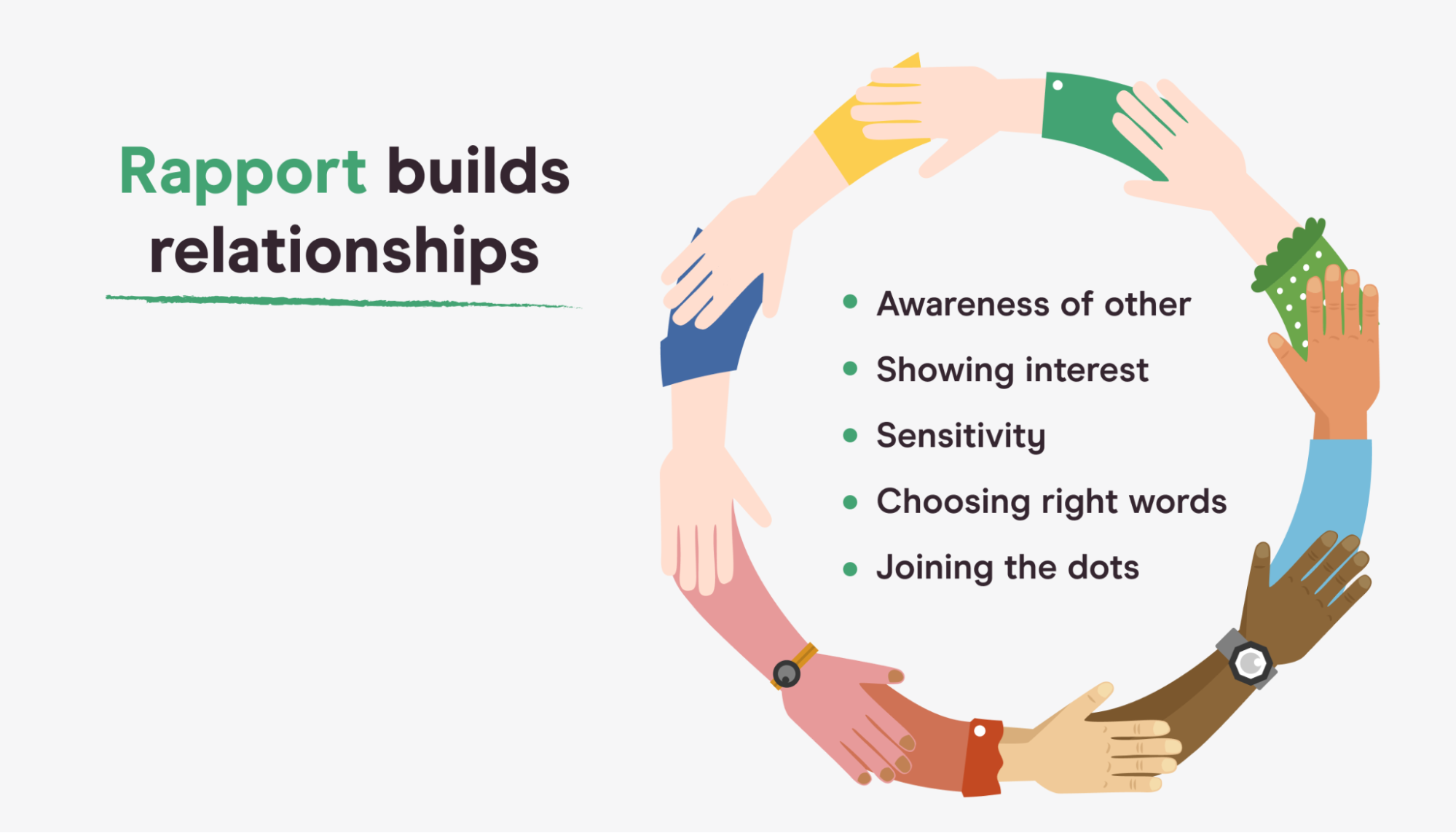
Rapport is the foundation upon which a successful learning experience is built. It’s that intangible connection that transcends the simple exchange of information and fosters a deeper level of engagement. Think of it as the invisible thread that binds teacher and student together, weaving a tapestry of trust, respect, and mutual understanding.
Here’s the thing: when students feel connected to their teacher, they’re more likely to feel comfortable taking risks, asking questions, and participating in class. They’re more open to learning, more receptive to feedback, and less likely to be disengaged or disruptive.
But let’s be honest, building rapport isn’t always a walk in the park. It can be challenging, especially in today’s diverse and complex classroom landscape. So, where do we start? How do we connect with each student on a personal level and create an environment where they feel seen, heard, and valued?
Strategies for Building Rapport: A Teacher’s Toolkit
Imagine you’re a sculptor, painstakingly chiseling away at a block of stone to reveal the masterpiece within. Building rapport is much the same—it’s about shaping the learning experience into something meaningful and impactful. But instead of chisels, we’ll use tools that focus on connection and understanding.
1. Show Genuine Interest:
Remember, we all crave a sense of belonging. Students are no different. They need to feel like they matter, that their presence in the classroom is valued.
- Ask Open-Ended Questions: Instead of asking “How was your weekend?” which invites a one-word response, try “What was the most interesting thing that happened this weekend?” It encourages students to elaborate and share their experiences.
- Actively Listen: Don’t just hear their words; truly listen to their stories, their perspectives, their concerns. Put your phone away, make eye contact, and let them know you’re engaged in their conversation. It makes a world of difference!
- Remember Details: Pay attention to what your students share. Remember their hobbies, their family, their dreams. It shows you care and that you’re taking the time to get to know them.
Personal Anecdote: I once had a student who was a passionate bird watcher. Every morning, he’d come to class with stories about the birds he’d seen, the species he’d identified, and the amazing world of avian life. I never missed an opportunity to ask him about his latest birdwatching adventures, and it became a little ritual between us. He felt heard, and it sparked his enthusiasm for learning.
2. Foster a Safe and Respectful Environment:
Creating a safe space for learning is crucial. Students need to feel comfortable expressing their thoughts and ideas without fear of judgment or ridicule.
- Establish Clear Expectations: Communicate your expectations for behavior, participation, and respect in the classroom. This provides a clear framework for everyone.
- Promote Positive Interaction: Encourage collaboration, teamwork, and respectful dialogue. Model respectful communication and praise those who demonstrate it.
- Address Conflict Constructively: Don’t ignore conflicts. Address them calmly and fairly, focusing on resolving the issue rather than assigning blame.
Personal Anecdote: I remember a time when two students were having a heated disagreement in my classroom. Instead of simply telling them to stop, I brought them together and asked them to explain their perspectives. We talked it out, and they both walked away with a newfound understanding and respect for each other’s viewpoints.
3. Use Humor (Sparingly!)
Laughter is a powerful tool for building rapport. It breaks down barriers, creates a sense of camaraderie, and makes learning more enjoyable. But humor needs to be used thoughtfully.
- Know Your Audience: What works for one group of students might not work for another. Be mindful of your audience and avoid jokes that could be offensive or hurtful.
- Keep it Light and Positive: Humor should be used to lighten the mood, not to put someone down or make fun of them.
- Don’t Force It: If a joke falls flat, don’t dwell on it. Move on and try a different approach.
Personal Anecdote: I love to share funny anecdotes related to the subject matter. For example, when teaching about the history of the internet, I’ll tell a story about my early days of dial-up, with the agonizingly slow connection and the dreaded “modem screech.” These little moments of levity help to keep the class engaged and make the information more memorable.
4. Embrace Technology:
In today’s digitally driven world, technology can be a powerful tool for building rapport. It offers new ways to connect with students, personalize learning, and make the classroom experience more engaging.
- Use Interactive Tools: Engage students with interactive tools like online quizzes, polls, and discussion forums. These platforms allow for real-time feedback and create a dynamic learning environment.
- Create Virtual Classrooms: Utilize online platforms to create a virtual space where students can interact with each other and share their work. This fosters a sense of community and creates a space for peer-to-peer learning.
- Use Video Chat: Video chat tools can be a great way to connect with students one-on-one or in small groups. It allows for more personal interactions and helps to bridge the physical distance between you and your students.
Personal Anecdote: I’ve found that using online collaborative tools has been a game-changer in building rapport with my students. We work together on projects, share ideas, and provide feedback in a virtual space. This has not only fostered a sense of community but also helped to address individual learning needs.
5. Show You Care:
Students are more likely to feel connected to a teacher who shows them they care about their well-being. It’s about going beyond the curriculum and demonstrating that you’re invested in their success.
- Acknowledge Their Efforts: Recognize their hard work, their progress, their achievements. A simple “Great job!” or “I really appreciate your effort” can go a long way in boosting their confidence and motivation.
- Offer Support: Be there for your students, even when it’s not about academics. Offer support with personal challenges, offer encouragement when they’re feeling down, and create a space where they feel comfortable confiding in you.
- Be Authentic: Students can sense insincerity. Be genuine in your interactions, and let your passion for teaching shine through.
Personal Anecdote: I once had a student who was struggling with a personal issue that was impacting his schoolwork. I took the time to talk to him, offer my support, and connect him with resources that could help. He was so grateful for the extra attention and care, and it strengthened our connection.
Beyond the Classroom:
The relationship between teacher and student doesn’t end when the bell rings. Building rapport involves extending that connection beyond the classroom walls.
- Get Involved: Attend school events, sports games, or extracurricular activities to show your support for your students’ interests.
- Communicate Regularly: Use email, online platforms, or phone calls to stay in touch with your students and their families. This helps to build a sense of continuity and shows that you’re invested in their well-being.
- Be Present: Make yourself available for one-on-one meetings or consultations. It shows students that you’re willing to go the extra mile for them.
Personal Anecdote: I often attend school plays and concerts to show my support for my students’ artistic talents. It’s a way to connect with them outside the classroom and demonstrate that I care about their interests and passions.
Building Rapport: The Long Game
Building rapport with students is an ongoing process. It’s not a one-time event but rather a journey that unfolds over time, with ups and downs, successes and setbacks. It’s about nurturing the connection, fostering mutual respect, and creating a learning environment that empowers students to reach their full potential. Remember:
- Patience is Key: Building rapport takes time and effort. Don’t expect to see instant results. Be patient, persistent, and consistent in your efforts.
- Flexibility is Essential: Be adaptable to the needs of your students. What works for one group might not work for another.
- Celebrate Successes: Acknowledge milestones and achievements, big or small. It reinforces the positive and strengthens the bond between you and your students.
Final Thoughts
Building rapport with your students is more than just a teaching strategy. It’s an investment in their well-being, their learning, and their future. It’s about creating a space where they feel safe, respected, and empowered to reach their full potential. It’s about making a difference in their lives, one connection at a time.
So, embrace the challenge. Step into the classroom with an open heart, a genuine smile, and a willingness to connect with your students on a deeper level. You’ll be amazed at the transformative power of a strong teacher-student relationship.
Remember: Building rapport is an essential part of teaching. It’s about creating a positive and supportive learning environment where students feel valued, respected, and motivated to learn. It’s about building a community where everyone feels connected and empowered.
Resources:
- Teach for America: https://www.teachforamerica.org/
- National Education Association: https://www.nea.org/
- Edutopia: https://www.edutopia.org/
- ASCD: https://www.ascd.org/
Keywords: building rapport, students, teacher, classroom, connection, empathy, respect, engagement, learning, communication, technology, humor, support, care, relationship, positive environment, community.

