

How To Build Rapport With Students: A Teacher’s Guide to Connecting with Learners
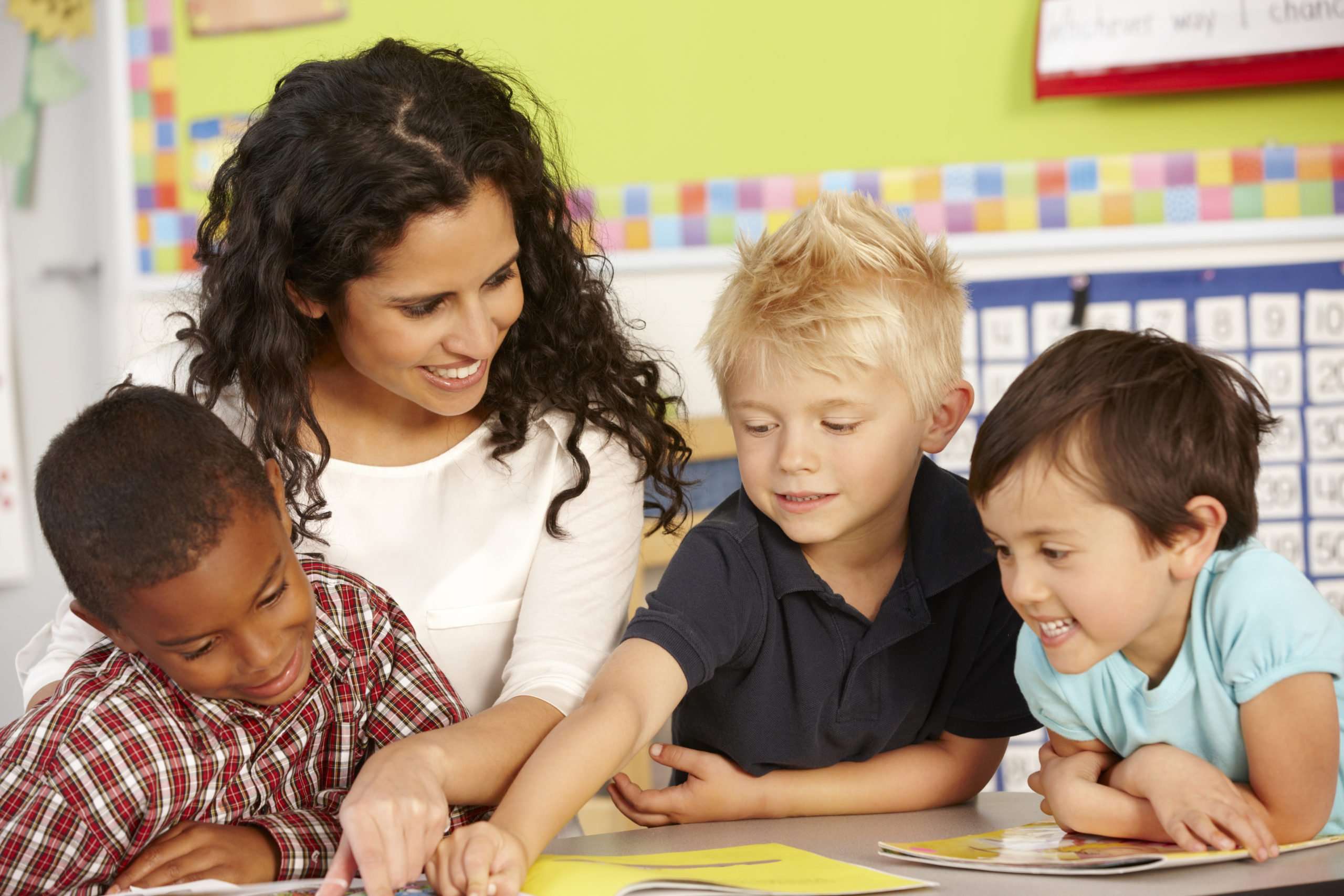
Building rapport with students is the cornerstone of effective teaching. It’s not just about making friends; it’s about creating a safe and supportive environment where learning can thrive. When students feel connected to their teacher, they’re more likely to engage in class, participate actively, and ultimately, achieve their academic goals.
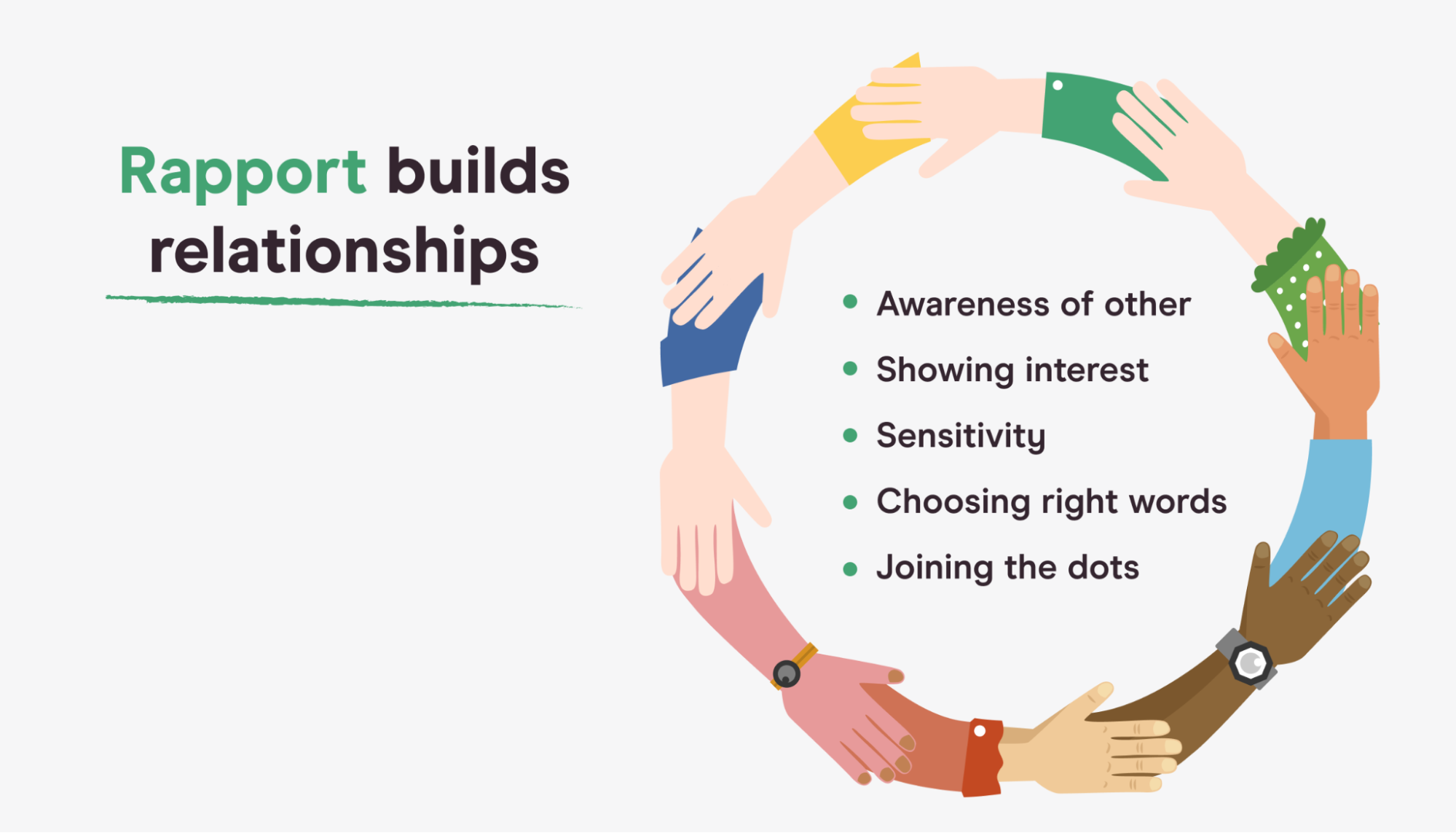
This article will delve into practical strategies and insights to help teachers cultivate strong, meaningful relationships with their students. We’ll explore the importance of genuine connection, active listening, and a touch of humor. We’ll also discuss how to navigate challenging situations, address individual needs, and create a classroom where every student feels valued and respected.
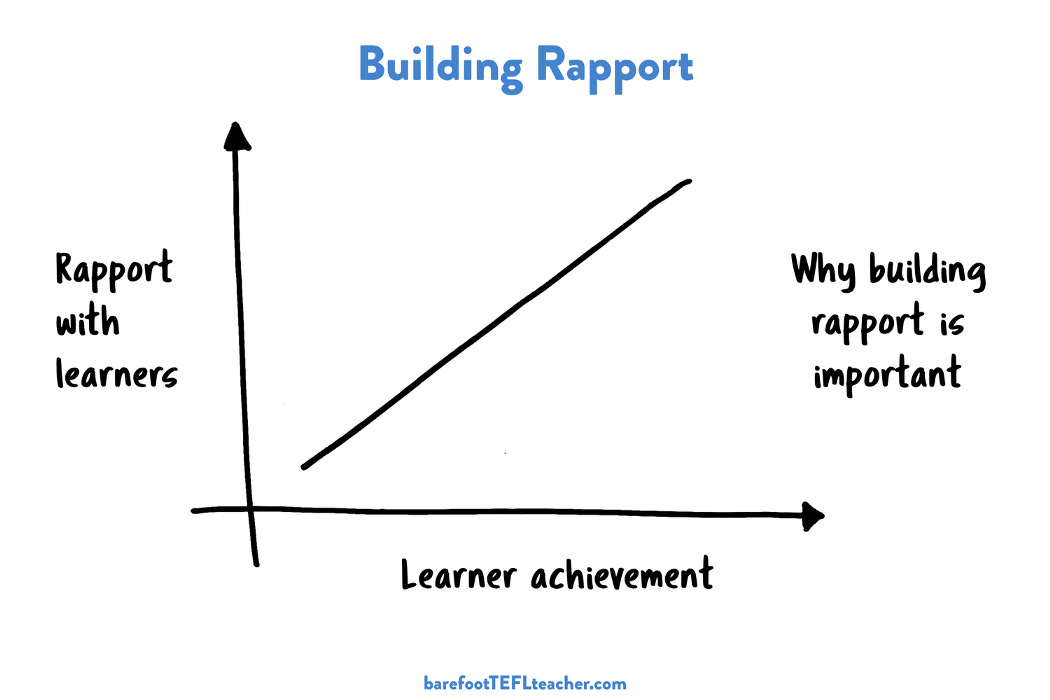
Understanding the Power of Rapport
Rapport is more than just a friendly smile. It’s a feeling of mutual trust, respect, and understanding. It’s the invisible thread that binds teacher and student, fostering a sense of shared purpose and a willingness to learn and grow together.
Think about your own experiences as a student. Which teachers did you connect with most deeply? Did they create an atmosphere of open communication? Did they make learning feel accessible and engaging? Did they seem genuinely interested in your success?
These qualities, the essence of rapport, are what make a difference.
Strategies for Building Rapport with Students
1. The Power of Genuine Connection:
Building rapport starts with being genuinely interested in your students as individuals. Show a sincere desire to know them, their hopes, their dreams, and their unique perspectives.
- Start with a Warm Welcome: Greet your students by name every day. A simple “Good morning, [student’s name]” can go a long way in setting a positive tone. It shows you’re making an effort to connect and that you value them as individuals.
- Learn Their Names: Make a concerted effort to learn your students’ names quickly. Use a name-learning strategy, like creating a seating chart or using name cards during group activities. Knowing their names shows you care and helps you build a more personal connection.
- Incorporate Icebreakers and Sharing Activities: Engage in fun, lighthearted icebreakers and sharing activities at the beginning of the year. These activities allow students to get to know each other and build a sense of community in the classroom. It’s a great way to learn about their interests, hobbies, and even their favorite snacks!
2. Active Listening: A Skill Worth Cultivating
Active listening is about more than just hearing what students say. It’s about truly understanding their thoughts, feelings, and perspectives.
- Create a Safe Space for Sharing: Establish a classroom environment where students feel comfortable sharing their ideas and opinions without fear of judgment. This means modeling respect for diverse viewpoints and encouraging open dialogue.
- Provide Opportunities for Feedback: Make time for students to provide feedback on your teaching and the classroom environment. This shows you value their perspectives and are committed to making learning better for everyone.
- Validate Their Feelings: When students share their experiences, acknowledge and validate their emotions. For example, if a student expresses frustration with a difficult concept, you might say, “It sounds like you’re feeling frustrated. That’s completely understandable. Let’s work through this together.”
3. Humor: A Secret Weapon
Humor can be a powerful tool for building rapport. It creates a relaxed and enjoyable learning environment, breaks down tension, and helps students remember concepts more easily.
- Use Lighthearted Jokes: Include a relevant joke or anecdote at the start of class to lighten the mood and get students engaged. Be mindful of cultural sensitivities and ensure your humor is appropriate for the age group.
- Find Common Ground: Share personal anecdotes or experiences that resonate with students. This can help create a sense of connection and make you feel more relatable.
- Embrace the Unexpected: Sometimes, unexpected humor emerges organically in the classroom. Don’t be afraid to laugh along with students. Laughter can be a great way to break the ice and create a shared experience.
4. Building Trust: The Foundation of Rapport
Trust is essential for building rapport with students. It takes time, consistency, and a genuine commitment to their well-being.
- Be Reliable and Consistent: Arrive to class on time, be prepared for lessons, and follow through on promises. Consistency builds trust and demonstrates that you’re committed to their learning.
- Create a Safe and Respectful Environment: Establish clear expectations for classroom behavior and enforce them fairly. This creates a sense of order and predictability, which helps students feel secure and respected.
- Practice Empathy and Understanding: Take the time to understand your students’ perspectives, even if they differ from your own. When you show empathy and respect for their feelings, you build trust and create a foundation for open communication.
5. Tailoring Your Approach to Individual Students
Every student is unique, and building rapport requires tailoring your approach to meet individual needs.
- Recognize Learning Styles: Some students learn best visually, while others prefer auditory or kinesthetic learning. Adapt your teaching methods to accommodate different learning styles and help each student succeed.
- Address Individual Challenges: Be attentive to students who are struggling academically or socially. Offer extra support, provide individualized attention, and create a safe space for them to seek help without fear of judgment.
- Celebrate Successes: Recognize and celebrate your students’ achievements, no matter how big or small. This fosters a sense of pride and accomplishment, which further strengthens the student-teacher bond.
Navigating Challenging Situations
Building rapport isn’t always easy. There will be times when you encounter challenging situations that require patience, understanding, and a willingness to adapt.
- Addressing Misbehavior: When students misbehave, respond calmly and respectfully. Avoid public shaming or humiliating them. Instead, focus on redirecting their behavior, providing clear expectations, and addressing the root cause of the problem.
- Dealing with Conflict: Conflicts between students or between students and teachers can arise. If you find yourself in a difficult situation, remember to stay calm, listen attentively to all perspectives, and work towards a solution that is fair and respectful to everyone involved.
- Seeking Support: You are not alone. If you encounter a situation that you feel unable to handle on your own, don’t hesitate to seek support from colleagues, administrators, or even a trusted mentor.
Building Rapport in a Digital Environment
The rise of online learning has added a new layer of complexity to building rapport with students. While it can be more challenging to establish a genuine connection in a virtual environment, it’s still possible to create a sense of community and foster meaningful learning experiences.
- Use Video Conferencing: Video conferencing platforms like Zoom or Google Meet can help create a more personal and engaging environment. Students can see their classmates and teachers, making the experience feel more interactive.
- Encourage Virtual Interactions: Use online discussion forums, chat rooms, or virtual whiteboards to facilitate student interaction. Encourage students to share their thoughts, ask questions, and collaborate on projects.
- Provide Personalized Feedback: Provide personalized feedback on student work through online platforms. This can help build a sense of connection and demonstrate that you’re paying attention to their individual progress.
Building Rapport: A Journey of Growth
Building rapport with students is a continuous process of learning, adaptation, and growth. It requires patience, empathy, and a genuine desire to connect with each individual student.
By embracing the strategies discussed in this article, you can create a classroom environment where learning thrives, where students feel valued and respected, and where lasting connections are forged. Remember, the journey of building rapport is as much about your own growth as it is about your students’.
In conclusion, building rapport with students is not a one-size-fits-all approach. It’s about embracing your unique personality, being authentic, and developing genuine connections with each student. It’s about listening attentively, responding with empathy, and creating a classroom where learning feels fun and engaging.
As educators, we have the incredible opportunity to inspire and empower young minds. By fostering a sense of rapport, we can make a real difference in their lives and help them achieve their full potential.
Here are some additional resources for further exploration:
- The Power of Rapport in Education: https://www.edutopia.org/article/power-rapport-education
- Building Trust and Rapport with Students: https://www.scholastic.com/parents/books-and-reading/building-trust-and-rapport-with-students
- Creating a Positive Classroom Culture: https://www.ascd.org/ASCD/pdf/journals/ed_lead/el_199703_p36-41.pdf
Remember, the key to building rapport is to be genuine, patient, and committed to creating a positive and supportive learning environment. When you connect with your students on a deeper level, you open doors to transformative learning experiences that will last a lifetime.

