
How To Apply For Students Visa: A Comprehensive Guide For International Students

Navigating the complex world of student visas can feel like trying to decipher a foreign language, especially when you’re eager to embark on your academic journey. But fear not! This comprehensive guide is your roadmap to understanding the ins and outs of student visas. We’ll break down the process, answer your burning questions, and provide you with the tools and resources to navigate the application process with confidence. Buckle up, and let’s get this visa journey started!
Understanding Student Visas: Your Passport to Education Abroad
Student visas are your golden ticket to studying abroad, but it’s essential to understand that each country has its own set of rules and requirements. This means that navigating this process can feel like a maze of paperwork and regulations. But don’t panic! We’ll equip you with the knowledge and tools to tackle this challenge head-on.
Here’s the lowdown on student visas:
- What They Are: Student visas allow international students to enter and reside in a specific country for the purpose of pursuing academic studies.
- Why You Need Them: Student visas legitimize your presence in a foreign country and ensure that you have the legal authority to study there.
- Types of Student Visas: The specific type of student visa you need will depend on your country of origin, the program of study, and the duration of your stay.
The Student Visa Application Process: A Step-By-Step Guide
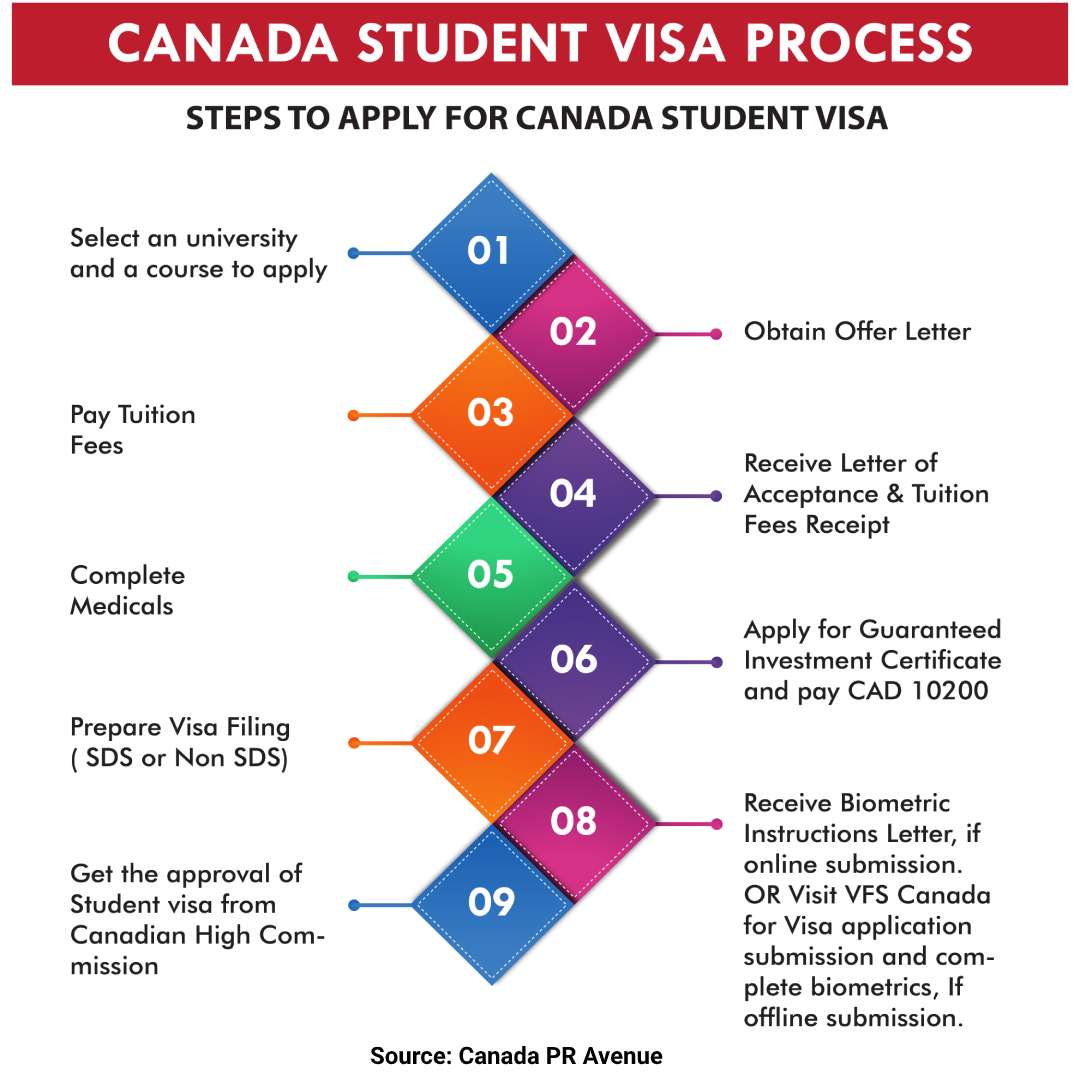
Now that you have a basic understanding of what student visas are, let’s delve into the practicalities of applying for one. The process can vary depending on the country you’re applying to, but here’s a general outline:
Step 1: Researching Visa Requirements
This is where the real work begins! You’ll need to delve into the specific requirements for the country you plan to study in.
- Visit the official website of your target country’s embassy or consulate: This is your go-to source for the most up-to-date information on visa requirements.
- Check out student visa guides and websites: There are many helpful resources online that provide comprehensive information on student visas, including StudyPortals.com and US Department of State.
- Contact the university or educational institution you’re planning to attend: They can offer valuable insights and assistance with the application process.
Step 2: Gathering Required Documents
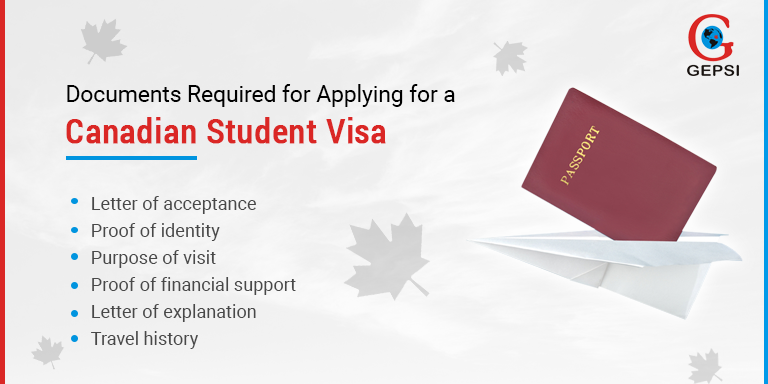
Once you’ve established the requirements, it’s time to gather the necessary documentation. These documents are like the puzzle pieces that prove your eligibility for a student visa.
- A valid passport: Make sure your passport is valid for at least six months beyond your intended stay.
- Acceptance letter from the educational institution: This document serves as proof that you’ve been accepted into the program.
- Financial evidence: You’ll need to demonstrate that you have sufficient funds to cover your tuition fees, living expenses, and travel costs. This might include bank statements, scholarship awards, or a financial sponsorship letter.
- Proof of health insurance: Some countries require proof of health insurance that covers your stay.
- English language proficiency test results: If you’re studying in a country where English is the primary language of instruction, you’ll need to provide evidence of your English proficiency (TOEFL, IELTS, etc.).
- Academic transcripts and certificates: You’ll need to submit official transcripts and certificates from your previous educational institutions.
- Visa application form: The application form must be completed accurately and honestly.
Step 3: Submitting Your Application
Now that you’ve gathered all the necessary documents, it’s time to submit your application.
- Apply online: Many countries now offer online visa application portals, which streamline the process.
- Apply in person at the embassy or consulate: Some countries still require you to apply in person at their embassy or consulate.
- Pay the visa application fee: Be prepared to pay a fee for processing your application.
Step 4: The Interview
Depending on the country you’re applying to, you may be required to attend a visa interview.
- Prepare thoroughly: Be prepared to answer questions about your academic goals, financial resources, and your reasons for choosing to study in that specific country.
- Dress professionally: Make a good first impression.
- Be honest and polite: Answer all questions truthfully and respectfully.
Step 5: Receiving Your Visa
After submitting your application and completing the interview (if required), the visa process can take several weeks or even months.
- Track your application: Check the status of your application online or contact the embassy or consulate for updates.
- Receive your visa: Once your application is approved, you’ll receive your visa via mail or in person at the embassy or consulate.
Common Student Visa Issues and Solutions
It’s no secret that the student visa application process can be a minefield of paperwork and potential snags. But fear not! We’re here to guide you through some common challenges and equip you with solutions:
-
Visa application rejection: It can be frustrating and disheartening to have your application rejected, but remember that it’s not the end of the world.
-
Reasons for rejection: There are several reasons why your application might be rejected, including:
- Missing or incomplete documents: Double-check your application to ensure that you have submitted all required documents.
- Insufficient financial evidence: Make sure you have documented evidence of sufficient financial resources to cover your expenses.
- Weak English language proficiency: If English is the primary language of instruction in your program, ensure you have achieved the required score on an English proficiency test.
- Academic background concerns: Your academic background might be a factor in the visa decision.
- Previous visa issues: Any previous visa issues or violations might impact your current application.
-
How to address rejection:
- Understand the reason: Carefully review the reasons for rejection provided by the embassy or consulate.
- Address the concerns: Work on rectifying any deficiencies in your application.
- Appeal the decision: Some countries allow you to appeal the decision.
- Consult with an immigration lawyer or consultant: Seeking professional assistance can be invaluable in navigating the appeal process.
-
Visa application delays: It’s common to encounter delays in the visa process.
-
Causes of delays:
- High volume of applications: Embassies and consulates often experience a high volume of applications, which can lead to delays.
- Processing time fluctuations: Processing times can vary depending on the time of year and country.
- Additional security checks: Your application might undergo additional security checks, which can extend processing times.
-
What to do:
- Be patient: The visa process can be time-consuming, so patience is key.
- Keep track of your application: Check the status of your application online or contact the embassy or consulate for updates.
- Communicate with the embassy or consulate: If you’re concerned about any delays, reach out to the embassy or consulate to inquire about the status of your application.
Student Visa Renewal: Staying Abroad For Further Studies
As your student visa nears its expiration date, you’ll need to renew it if you plan to continue your studies in the same country. This renewal process can be similar to the initial application.
- Start the renewal process early: Don’t wait until the last minute to renew your visa.
- Gather required documents: You’ll need to provide similar documentation as your initial application.
- Submit your renewal application: Follow the instructions provided by the embassy or consulate.
Important Note: Be sure to comply with all visa requirements and stay updated on any changes or updates to the regulations. This will help you avoid any potential visa issues during your stay abroad.
Tips for a Smooth Visa Application Journey
Navigating the world of student visas can be daunting, but remember: Preparation is key! Here are some practical tips to help you navigate the process smoothly:
- Start early: Don’t procrastinate! Start gathering documents and researching requirements well in advance of your intended departure date.
- Organize your documents: Maintain a well-organized file of all your documents, including copies, for easy access.
- Complete the application form accurately: Double-check all information and ensure that it’s accurate and consistent.
- Be prepared for the interview: Practice your answers and be prepared to answer questions confidently.
- Stay informed: Keep up with any changes or updates to visa requirements or procedures.
- Seek professional advice: If you’re feeling overwhelmed or need assistance, consult with an immigration lawyer or consultant.
Embracing the Journey: The Rewards of Studying Abroad
While the visa application process might feel like a hurdle, remember that it’s a stepping stone to a truly enriching experience: studying abroad!
- Expanding your horizons: Studying abroad opens up a world of possibilities, allowing you to learn new languages, cultures, and perspectives.
- Developing personal and professional skills: You’ll gain invaluable skills such as adaptability, independence, and cross-cultural communication.
- Creating lasting memories: Studying abroad is an opportunity to create unforgettable memories and forge lifelong friendships.
As a teacher, I can attest to the transformative power of studying abroad. My experience studying in Japan not only deepened my understanding of a different culture but also ignited my passion for teaching. It was a journey that shaped me both personally and professionally.
The journey of applying for a student visa might seem daunting, but it’s a testament to your ambition and determination to pursue your educational dreams. Remember that with careful planning, preparation, and a dash of perseverance, you can navigate this process successfully and embark on an incredible adventure abroad.
The Future of Student Visas: A Glimpse into Digital Transformation
The world of international education is constantly evolving, and so is the landscape of student visas. Technology is playing a pivotal role in streamlining and simplifying visa processes.
- Online application portals: Many countries are embracing online application portals, making it easier for students to submit their applications and track their progress.
- Digital document verification: The use of digital document verification tools is increasing, simplifying the process of authenticating supporting documents.
- Biometric identification: Biometric identification technology, such as fingerprint scanning, is being used to enhance security and streamline visa processing.
- Mobile apps: Mobile apps are emerging as convenient tools for visa applicants, providing access to information, updates, and support.
The digital transformation of student visa processes is making them more efficient, user-friendly, and accessible for international students. As technology continues to advance, we can expect further innovation in this area, making the journey of applying for a student visa even smoother.
Conclusion: Embrace the Journey, Embrace the Future
The journey of applying for a student visa is a testament to your commitment to pursuing your academic dreams. It’s a process that requires careful planning, preparation, and a touch of resilience. But remember, the rewards of studying abroad are immeasurable.
As technology continues to shape the world of international education, the process of applying for a student visa is becoming more streamlined and accessible. Embrace the future, stay informed, and seize the opportunity to embark on a transformative academic adventure abroad.